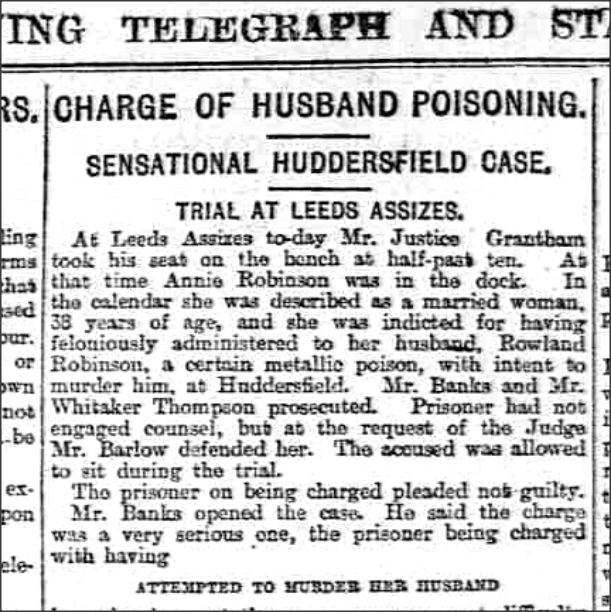
It’s 1950 and Mr. Clifford Gwilliam, the manager of the Theatre Royal, Exeter (Devon) is confidently reassuring audiences at nearby Ottery St. Mary British Legion that he thought television was a “passing phase”.
By the middle of the 20th century the British cinema and filmmaking industry was heartening audiences and no doubt investors that this new medium, a young upstart, was a here today, gone tomorrow phenomenon. At the same time the BBC, who still held the broadcasting monopoly in Britain, were investing licence money and manpower into developing its television services into the Midlands, the North and the rest of the nation after bringing back television to post-war London in 1947.
Before the end of the decade the monopoly was broken with the advent of commercial television and blanket national service coverage by the BBC and later by ITV in black and white, VHF, 405 lines.
Before the advent of television British cinema was enjoying considerable success after having fought off competition from the Music Hall and wireless broadcasting.
Six years after Mr. Clifford Gwilliam’s speech the South West region was to have a full BBC television service from the North Hessary Tor transmitter on Dartmoor (where my father worked). In 1956 Independent Television started services in London provided by Rediffusion and ATV. By 1961 Westward Television had broken the regional monopoly in the South West from where Mr. Gwilliam was reassuring his audiences.
Sadly from Mr. Gwilliam’s point of view this technological development which took off in the 1950’s was to change his business and the entire British film industry forever with some cinema chains (ABC and Granada) nervously investing in and embracing television.