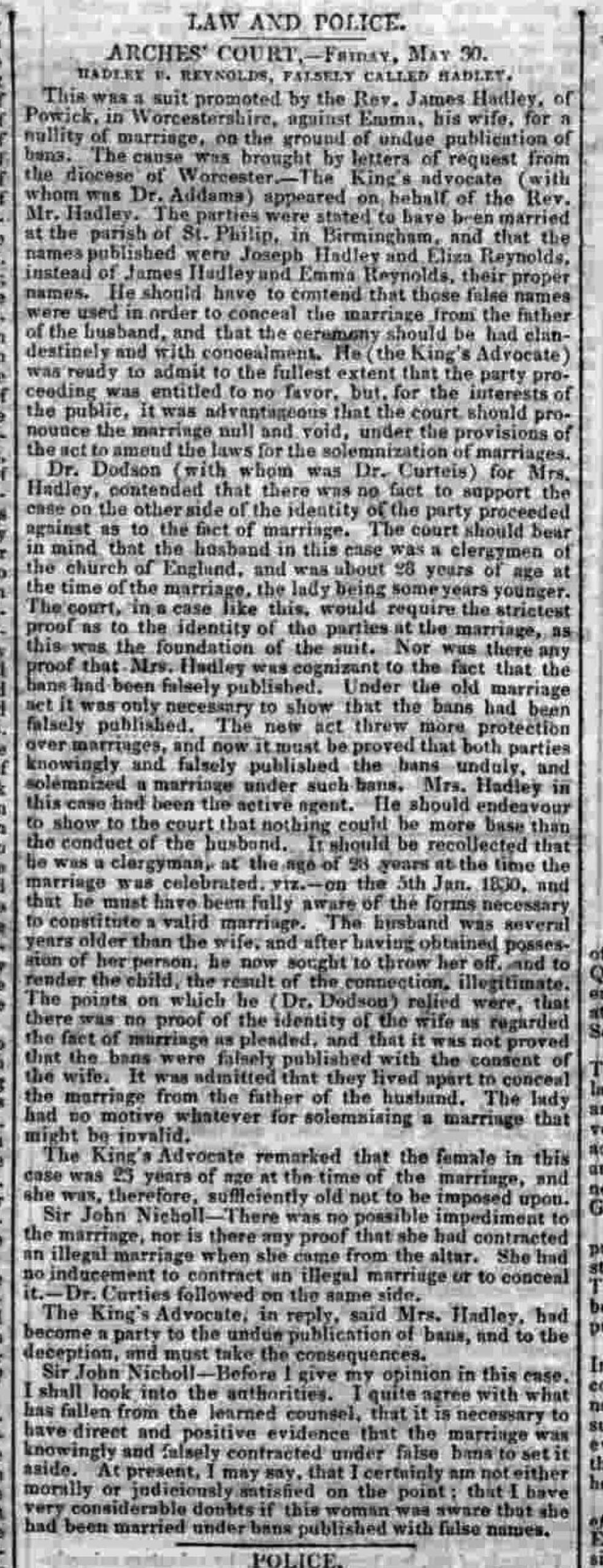
Throughout history, many newspapers have had fleeting existences, often created in response to specific events, movements, or ambitions that were unsustainable in the long term. These rare and short-lived publications offer unique insights into the moments they captured, often serving niche audiences or addressing radical ideas. Their limited runs and rarity make them highly sought after by historians and collectors.
Reasons for Short Lifespans
- Financial Challenges
Many small newspapers struggled to cover printing and distribution costs, especially if they lacked strong advertising revenue or government support. - Niche Audiences
Publications that served a specific, narrow audience often struggled to achieve a sustainable readership. - Political Suppression
Radical or oppositional newspapers were frequently shut down by authorities or faced heavy censorship, limiting their ability to operate. - Changing Circumstances
Some newspapers were tied to specific events or movements and ceased publication once the interest or urgency faded.
Examples of Rare and Short-Lived Newspapers
- The Anti-Jacobin (1797–1798)
This British weekly was launched as a counter to revolutionary and radical ideas inspired by the French Revolution. Despite its eloquent writers, including George Canning, it lasted only eight months due to political shifts and declining interest. - The Bee (1759–1760)
Published by Oliver Goldsmith, this Dublin-based literary magazine offered essays, reviews, and commentary. Despite its intellectual appeal, it lasted for just one year. - The Illustrated Crystal Palace Gazette (1853–1854)
Created to celebrate and document the opening of the Crystal Palace at Sydenham, this publication ended after only 14 issues due to poor circulation and financial troubles. - The Northern Star (1837–1852)
Though its run lasted over a decade, it remains rare due to its strong association with the Chartist movement. Once the movement declined, the paper could no longer sustain itself. - The Owl (1864–1865)
A satirical newspaper featuring contributions from high-profile figures like Benjamin Disraeli. Its exclusivity and wit could not overcome its limited appeal, resulting in its closure after just over a year. - The Fly (1832)
An ambitious yet whimsical literary paper, The Fly attempted to provide light-hearted and cultural content. However, it was unable to attract a steady audience and folded within six months. - The Star of Freedom (1856–1857)
This liberal publication focused on anti-slavery and freedom of the press but faced financial difficulties and ceased operations after less than two years.
Legacy of Short-Lived Newspapers
Though many of these newspapers failed to thrive during their lifetimes, they are historically significant for several reasons:
- Cultural Snapshots: These papers offer unique perspectives on the concerns, tastes, and debates of their times.
- Rare Collectibles: Their limited circulation makes surviving copies valuable to collectors and researchers.
- Radical Voices: Many short-lived publications pushed boundaries, advocating for political reform, social justice, or artistic innovation.
Today, these rare newspapers are preserved in archives and libraries, where they serve as invaluable windows into specific periods of history, illustrating the aspirations and struggles of their creators. Their short lifespans only enhance their intrigue and importance.
For Example:
The Illustrated Crystal Palace Gazette was a short-lived magazine published by Charles James Blake, whose address was listed as 4 St. Ann’s Place, Upper Sydenham. The publication was produced on behalf of the Crystal Palace Company and ran for 14 issues, beginning in October 1853 and concluding in August 1854.
The magazine offered readers an insight into the final preparations, grand opening, and the initial three months of operations at the Crystal Palace in Sydenham. It featured a mix of content, including proposals for the Crystal Palace building and its surrounding grounds, advertisements, articles, and fictional stories. Additionally, the publication highlighted the hopes, fears, and congratulatory messages exchanged between the directors of the Crystal Palace Company and other stakeholders involved in the venture.
Despite its ambitious scope, the magazine struggled to achieve widespread success. By its final issue, the circulation had dwindled to just 1,120 copies. This low readership may well have been the reason why no further issues were published, as no subsequent editions are known to exist.
Adding to the publisher’s woes, Charles James Blake was declared insolvent in 1855, only a year after the magazine ceased publication. The printing of the magazine had been undertaken by Samuel Cockshaw, whose business was located at 6 Horseshoe Court, Ludgate Hill, London.
This brief publication provides a fascinating snapshot of the Crystal Palace’s early days in Sydenham, capturing the excitement and optimism surrounding one of Victorian Britain’s most iconic structures.
Newspapers for Villages and Small Communities
Local newspapers for villages and small communities hold a special place in the history of journalism. These publications, often referred to as parish newspapers or village gazettes, were designed to serve the unique needs of their close-knit readership. Despite their limited reach compared to city or national newspapers, they played an essential role in fostering community spirit and keeping residents informed.
Characteristics of Small-Community Newspapers
- Hyperlocal Content
These papers focused exclusively on news and events of interest to the immediate area. Common topics included:- Parish council updates
- Announcements of births, marriages, and deaths
- Reports on local fairs, fêtes, and markets
- Village history and profiles of notable residents
- Community Engagement
Villagers could often contribute directly to the paper. Letters to the editor, short stories, and local poems were common, allowing residents to see their own voices represented in print. - Limited Distribution
These newspapers were often distributed by hand or sold at local shops, pubs, and post offices. Circulation rarely exceeded a few hundred copies, tailored to the population size. - Volunteer-Led or Family-Owned
Many village papers were run on a voluntary basis or as a family business. The editor might also be the printer, delivery person, and contributor, relying on a small team of helpers. - Advertisements and Sponsorships
Small businesses in the area often supported these newspapers through advertisements for services such as blacksmithing, farming supplies, or general stores.
Examples and Legacy
- The Bampton Community News (Somerset)
First printed in the early 1900s, this paper documented agricultural developments, local events, and church notices, maintaining a loyal readership over decades. - The Little Snoring Post (Norfolk)
A humorous name for a real village newspaper, it became well-loved for its mixture of serious news and quirky, light-hearted updates. - The Chipping Gazette (Cotswolds)
Known for detailed coverage of rural life, including farming innovations, market prices, and seasonal festivals.
Modern Adaptations
In recent years, many village newspapers have adapted to the digital age. Community websites, social media pages, and email newsletters have replaced printed editions in some areas. However, in rural locations where internet access may still be limited, print editions remain a vital source of information.
Cultural Importance
These small newspapers are invaluable for preserving the identity of their communities. They serve as:
- Historical Records: Archives of village newspapers offer rich insights into local history, customs, and changes over time.
- Social Hubs: They connect residents, especially in rural or isolated areas, by fostering a sense of belonging.
- Advocates for Local Issues: By amplifying concerns specific to the area, they help communities gain attention for important causes.
In essence, newspapers for villages and small communities are more than just publications—they are the heartbeats of the areas they serve, reflecting their unique character and strengthening local bonds.
Free to use British Newspaper Research Service
British newspapers offer a treasure trove of information for family historians. They capture moments in time, providing context, character, and community insight that official records cannot. With the free service provided by Old British News, this research becomes even more accessible, enabling historians to delve into rich, untold stories of their relatives. By combining these resources with other records, family historians can create a more complete and engaging picture of the past.
I search historical articles to locate mentions of your ancestors—whether they were involved in notable events or simply part of the everyday life reported in these newspapers. If relevant articles are found, I deliver them to you in a PDF format at no cost.
If I find articles, they’ll be sent to you in a clear, organized PDF. If not, you’ll be informed right away. See here.