
Bickersteth Family Archive (1830s–1905)
About the family and origins here
Original genealogical papers, 1830s–1914
Together they form a rare survival: not merely a finished family history, but the working evidence behind the construction of a pedigree.
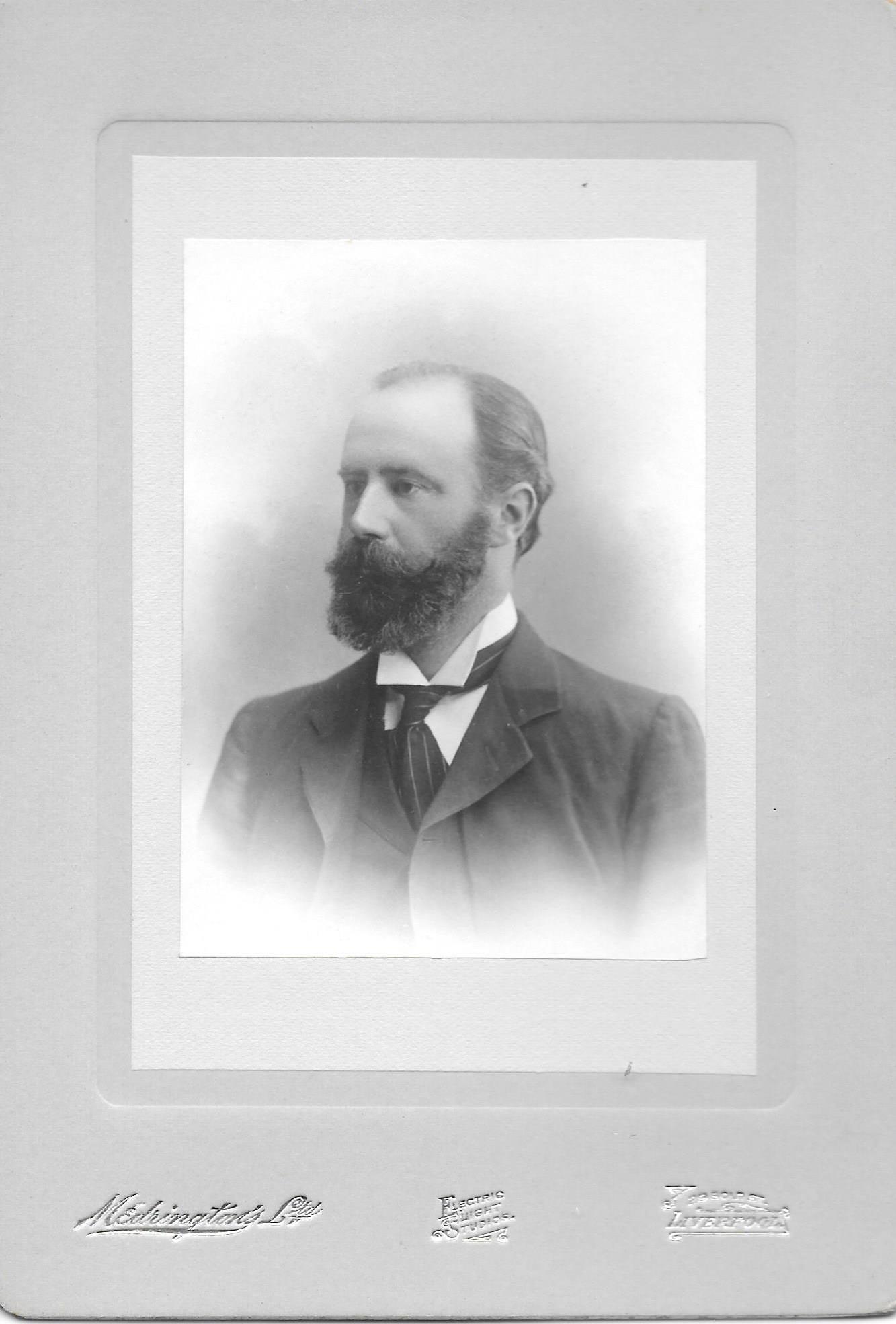
Born 1840
Son of Edward Bickersteth, the evangelical Anglican clergyman
Became Bishop of South Tokyo (later Bishop of Tokyo) in the Anglican Church
Played a major role in establishing the Anglican Church in Japan
Died 1916
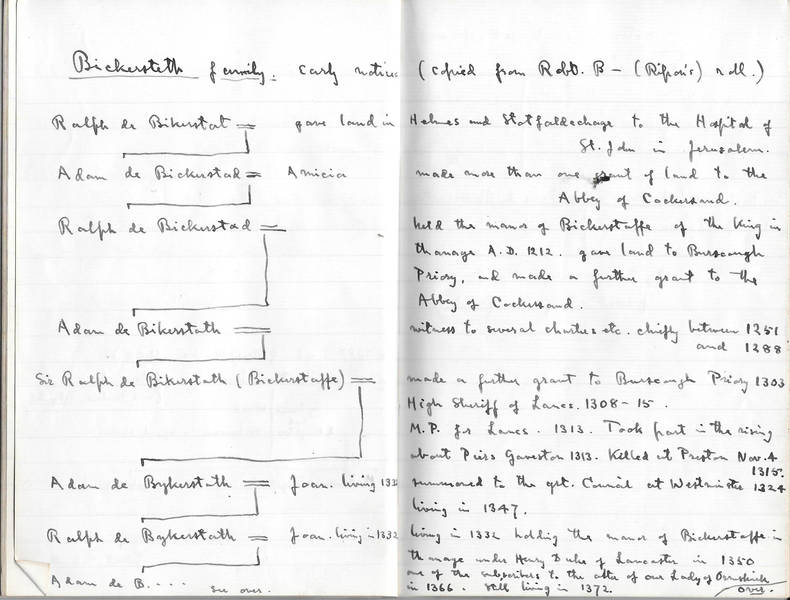
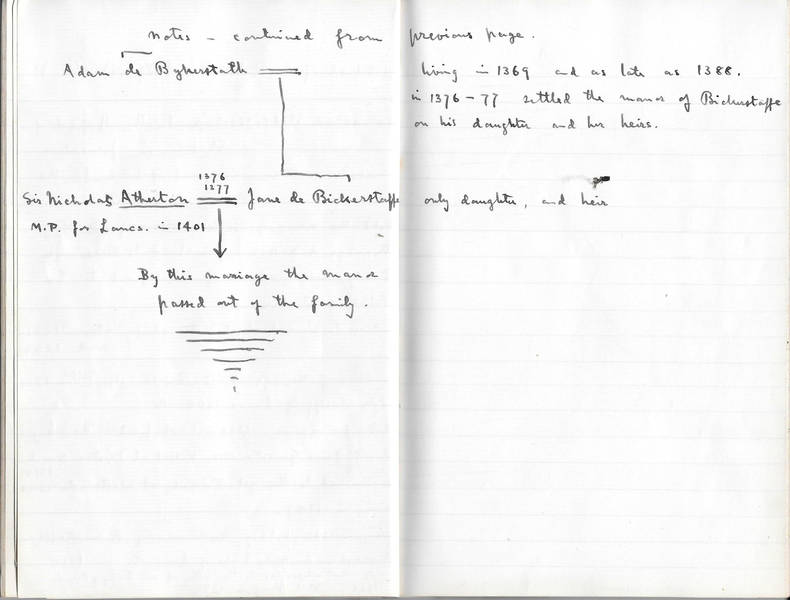
Although the research papers themselves were compiled largely between the mid-nineteenth century and the early twentieth century, the historical material they discuss reaches much further back. The notebooks contain references to medieval individuals bearing early forms of the surname Bickersteth or Bickerstaffe, suggesting the locational origin of the family name in Lancashire. Later notes trace the development of the family through several northern English communities, including Aughton, Ormskirk, Burton-in-Kendal and Kirkby Lonsdale.
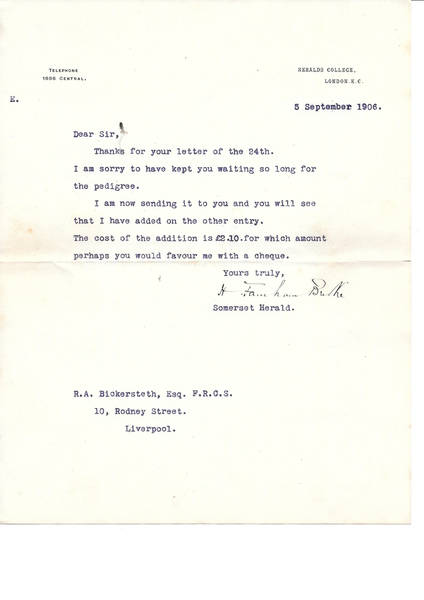
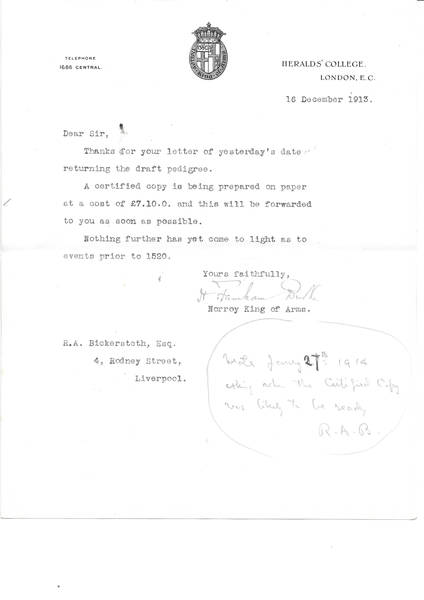
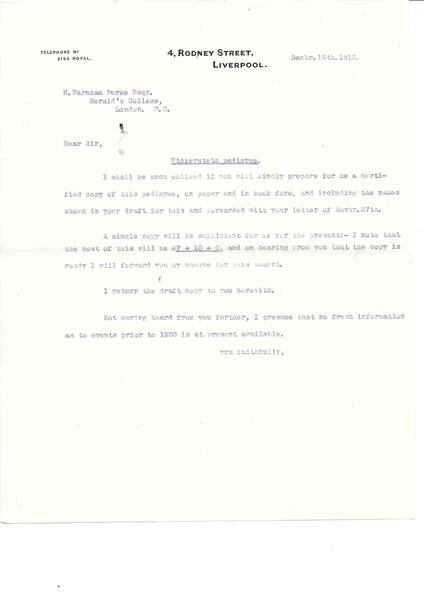
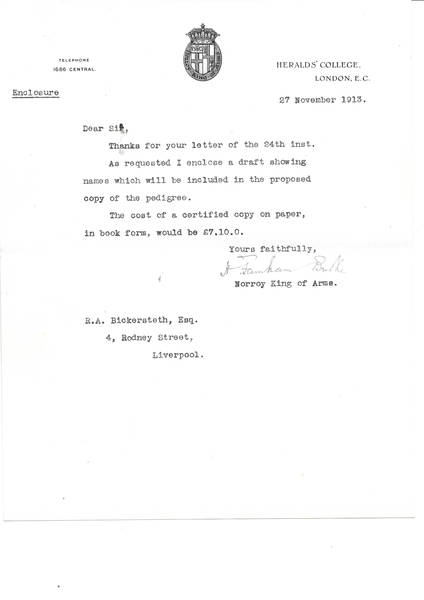
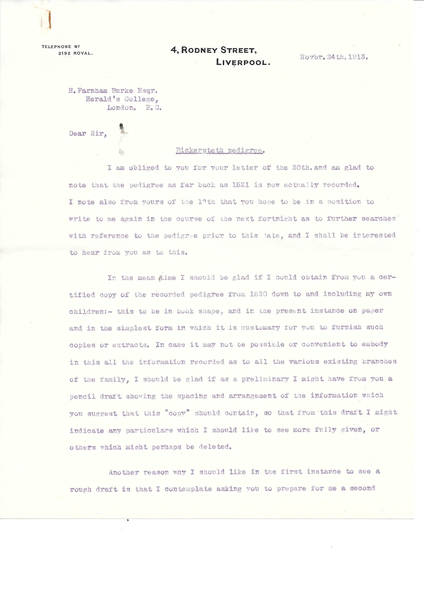
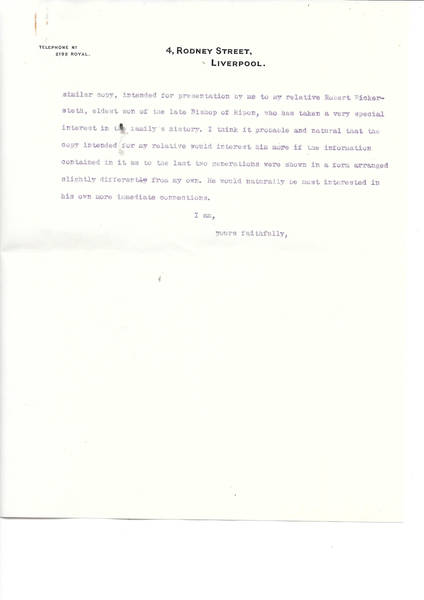
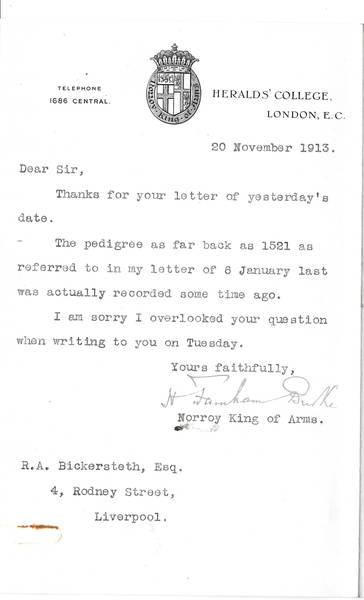
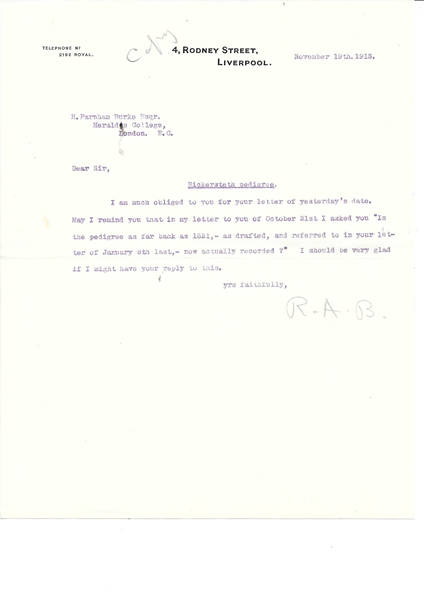
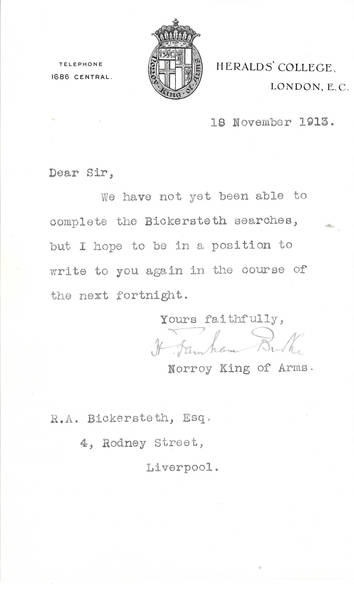
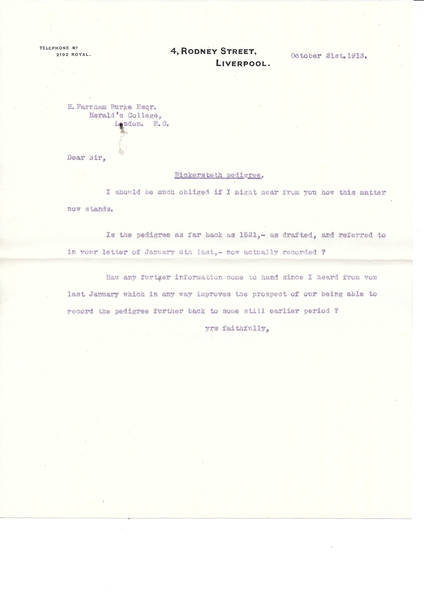
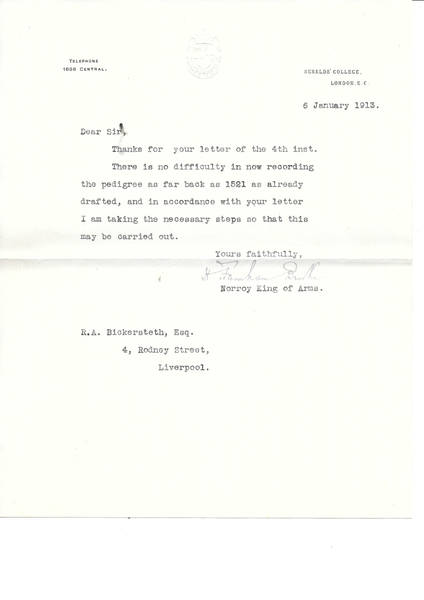
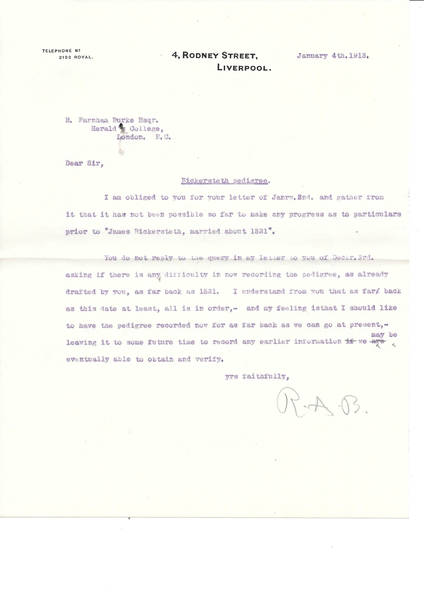
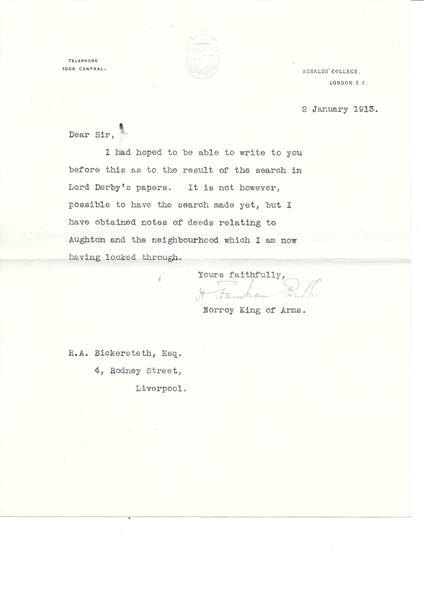
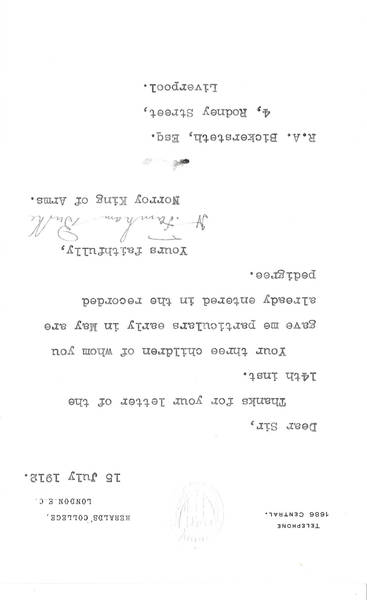
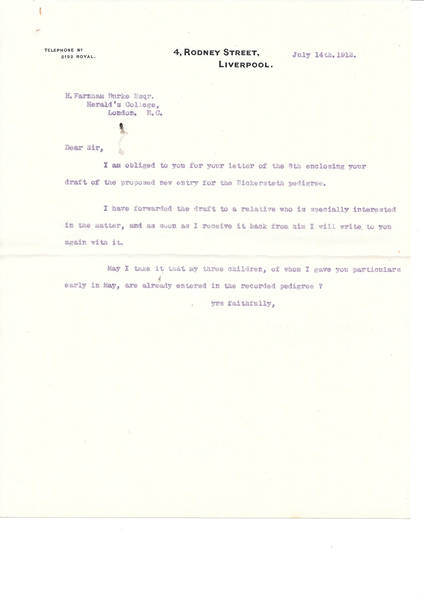
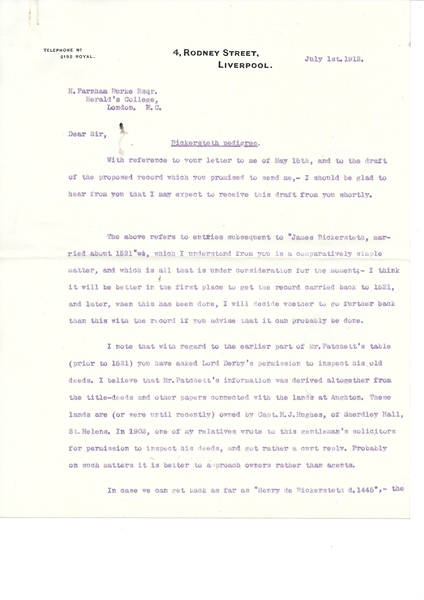
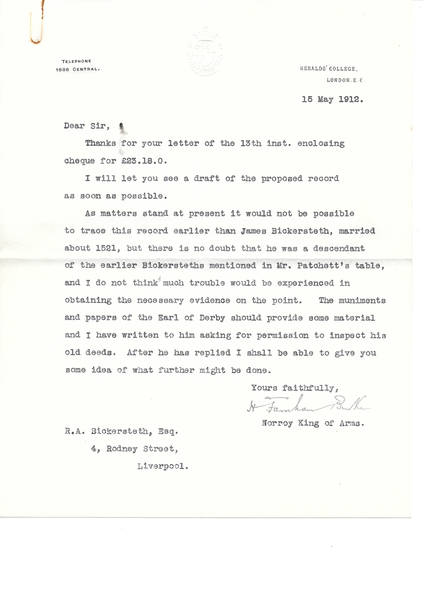
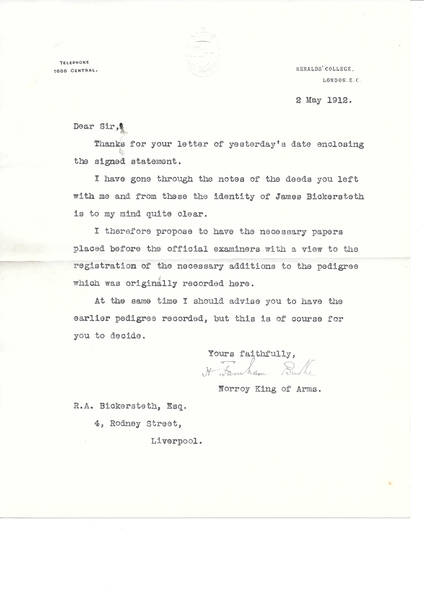
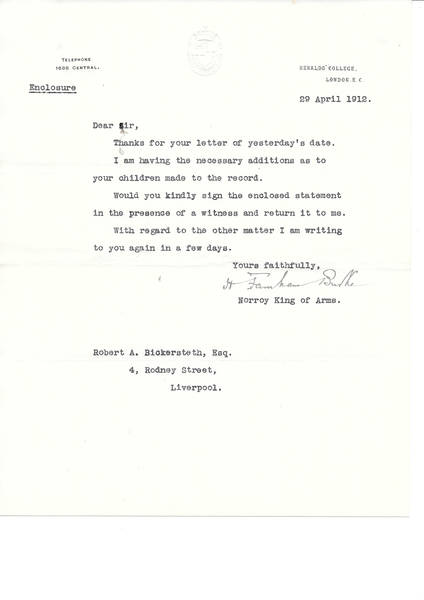
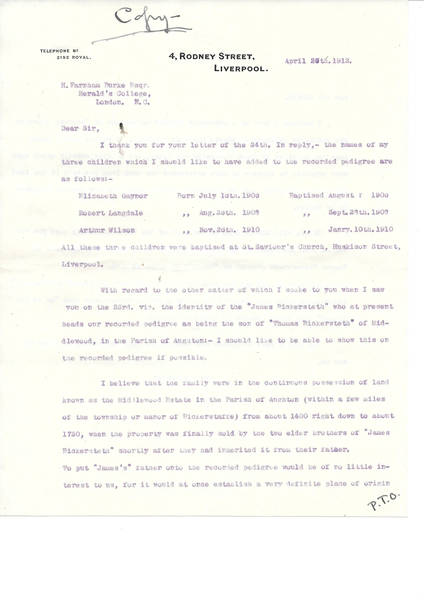
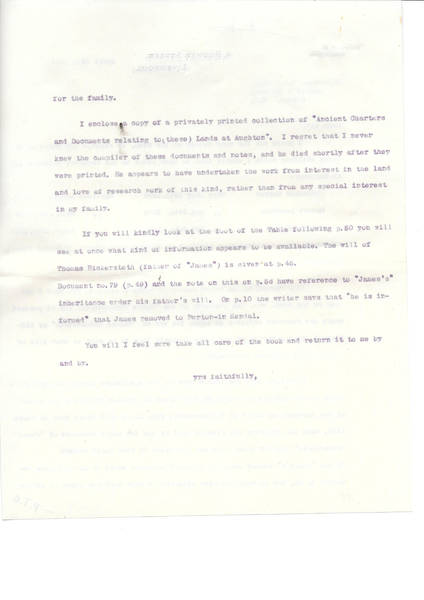
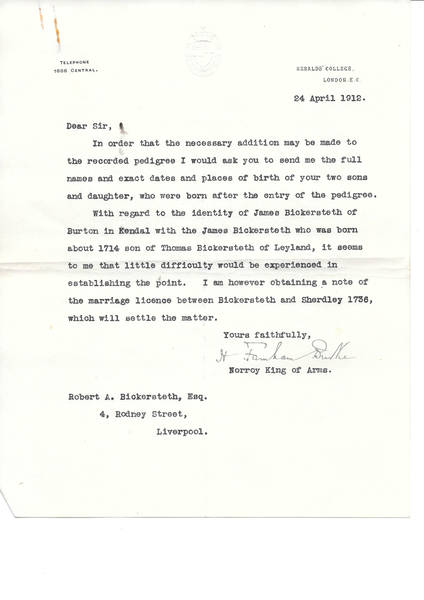
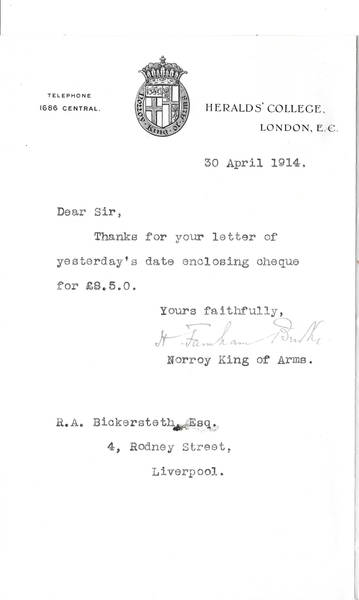
What makes the archive particularly valuable is that it preserves the process of genealogical research rather than simply its conclusions. The papers reveal the methods used by Victorian and Edwardian family historians: copying records by hand, comparing parish registers, studying church monuments, and assembling fragments of historical evidence into a coherent lineage. The correspondence with Heralds’ College demonstrates that this research was eventually presented for formal consideration as part of a pedigree enquiry.
The digitisation of these documents allows modern readers to examine the original research materials for themselves. The archive therefore offers insight not only into the history of the Bickersteth family but also into the practice of genealogical investigation in Britain before the era of digital archives.
By preserving and presenting these papers, the archive seeks to make accessible a body of historical material that might otherwise remain unknown, while also continuing the work of historical enquiry begun by the original compiler more than a century ago.
Contents of the Archive
- Introduction
- Chronological Overview
- Research Notebooks
- Pedigree Evidence Abstracts
- Heralds’ College Correspondence – 1906
- Heralds’ College Correspondence – 1912–1914
- Murchison Family Evidence
- Loose Papers and Miscellaneous Notes
- Large Working Pedigree Sheet
- Image Albums
Introduction
The Bickersteth archive is a coherent collection of family-history research materials gathered over several decades. The surviving papers show how genealogical research was carried out before the era of digital archives.
The compilers worked from parish registers, monument inscriptions, family Bibles, antiquarian publications, medieval charter references, and correspondence with heraldic authorities in London.
The purpose of the research was to establish a documented lineage for the Bickersteth family and to demonstrate its historical continuity.
Chronological Overview
Medieval period – documentary references to individuals bearing early forms of the surname Bikerstat or Bickerstaffe in Lancashire.
18th century – emergence of the Bickersteth family in Kirkby Lonsdale and surrounding districts.
19th century – genealogical research begins; family records are collected and copied.
1906 – correspondence with Heralds’ College regarding pedigree matters.
1912–1914 – further genealogical enquiries and pedigree clarification.
Research Notebooks
Transcription here
The archive includes handwritten notebooks containing genealogical notes and copied historical references. These books show the working process of family-history research rather than simply presenting finished conclusions.
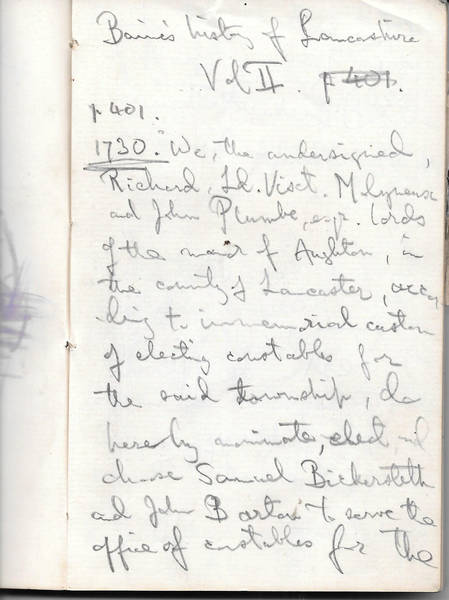
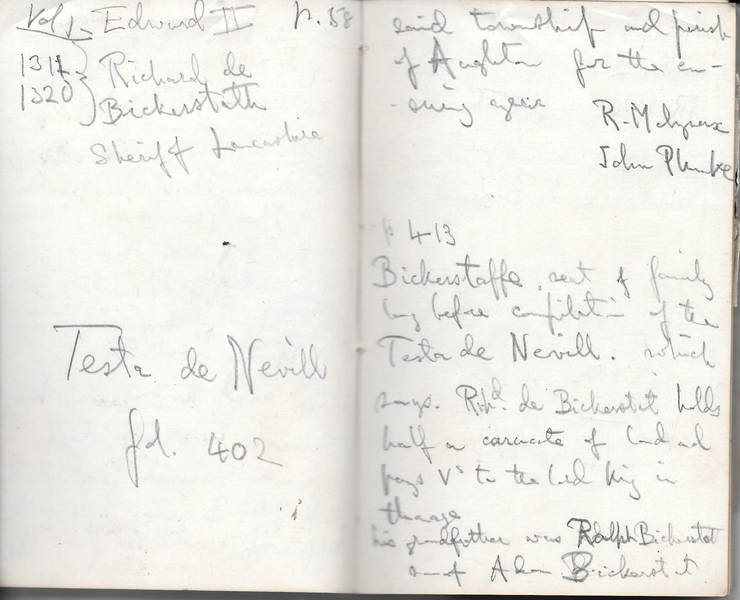
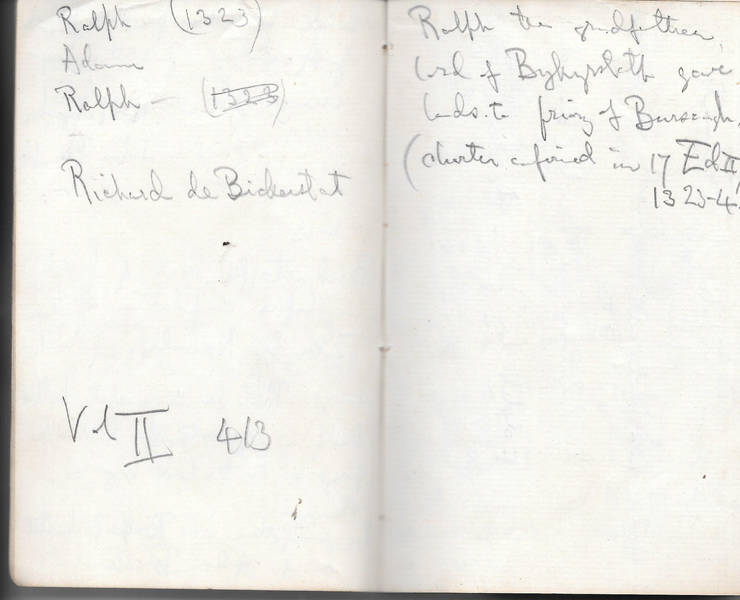
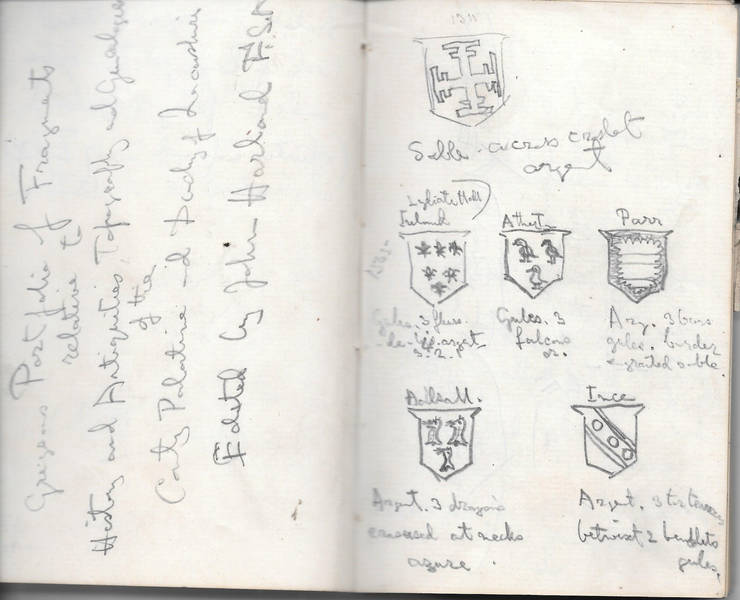
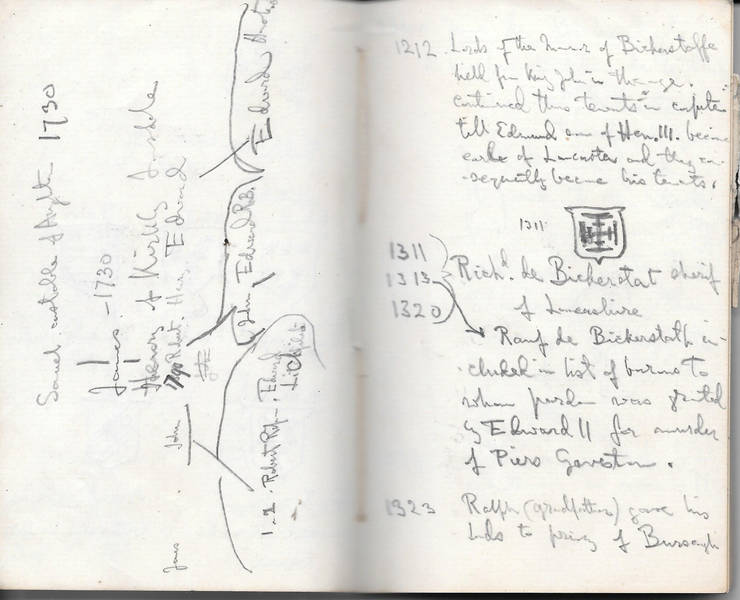
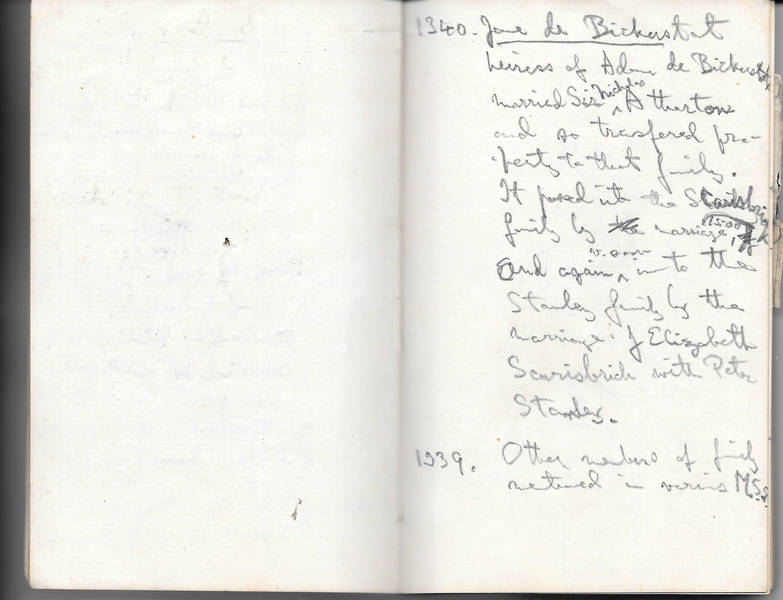
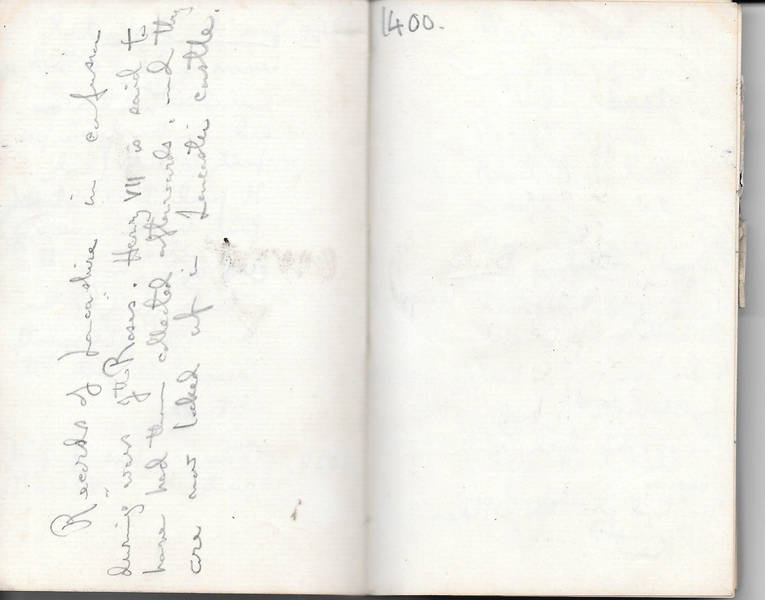
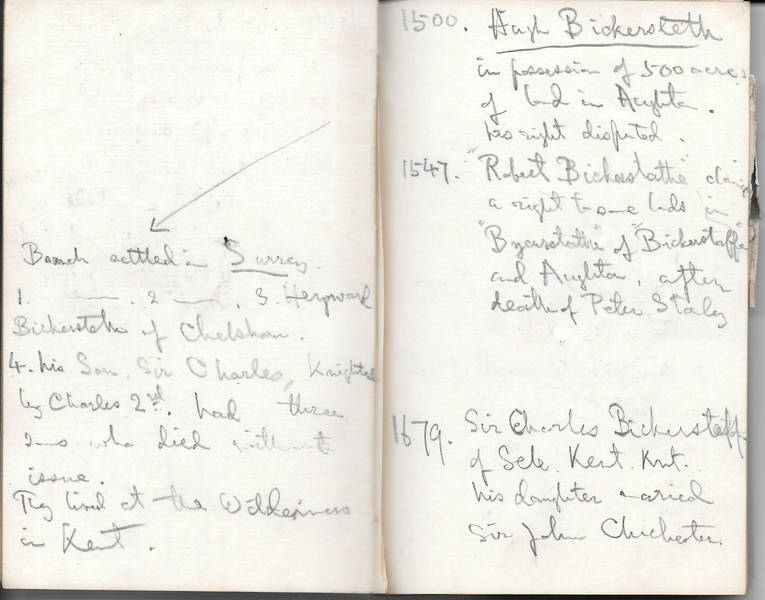
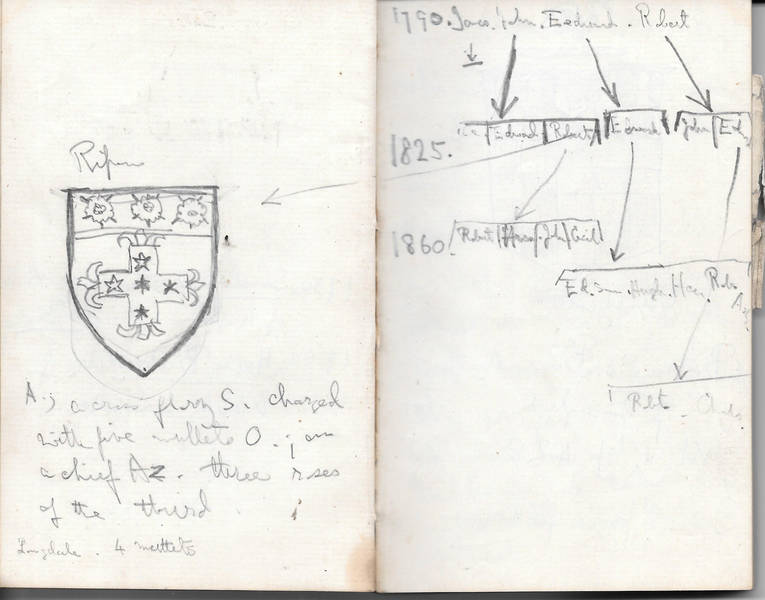
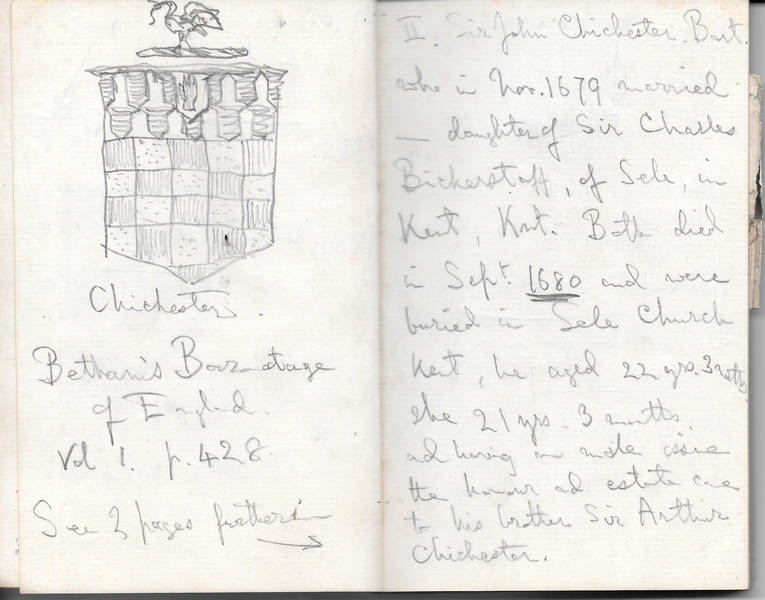
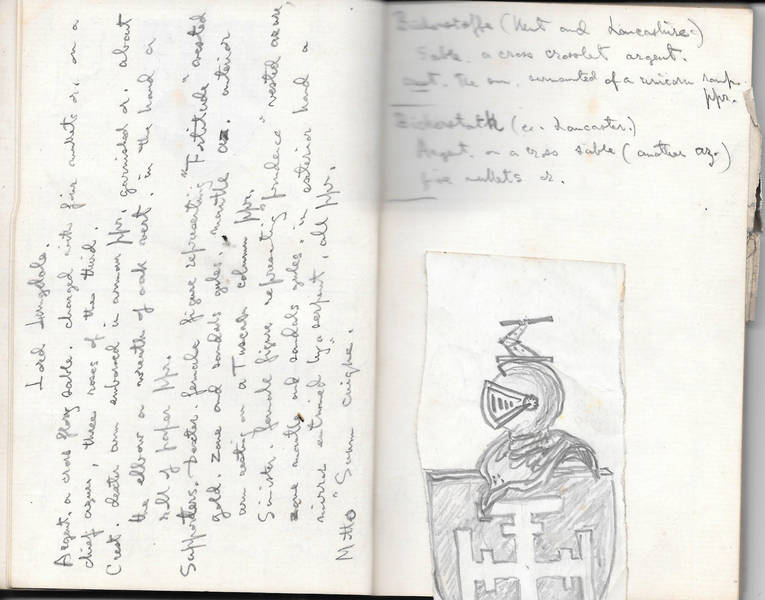
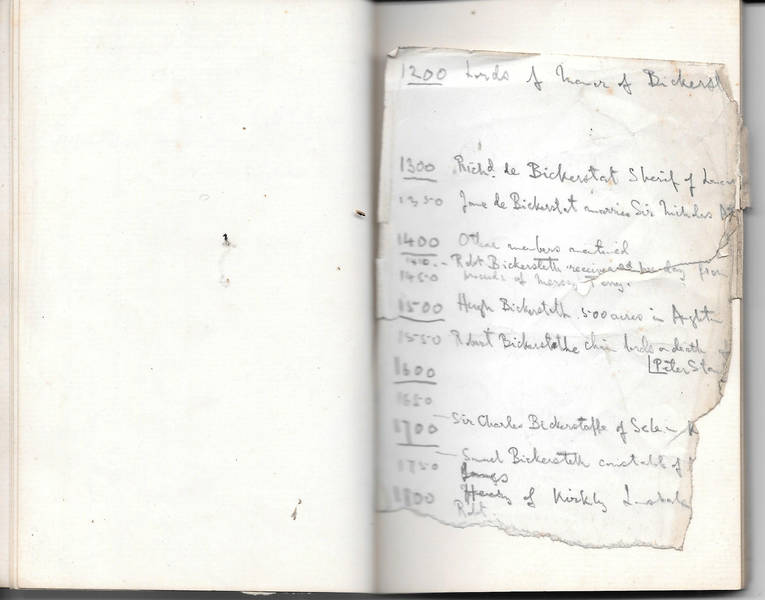
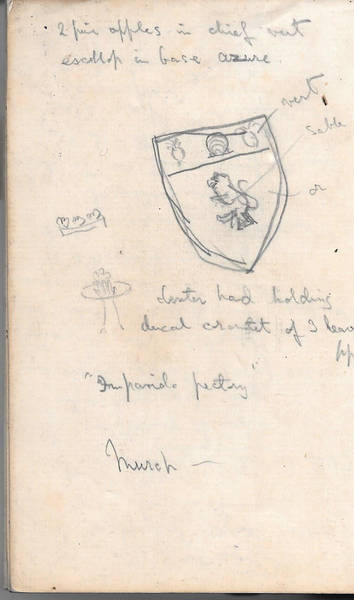
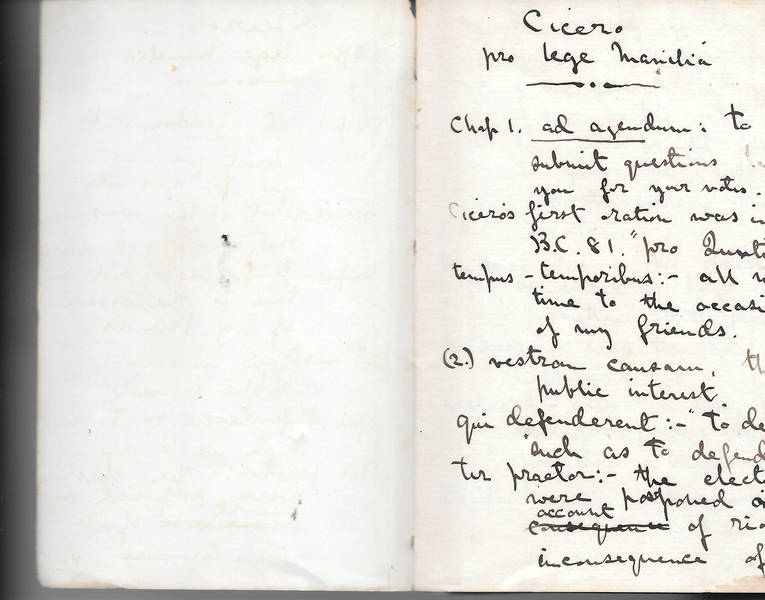
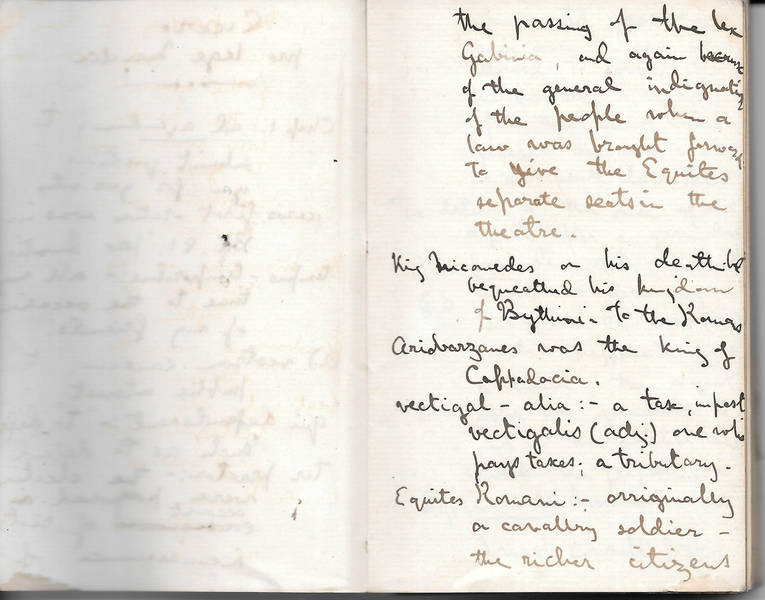
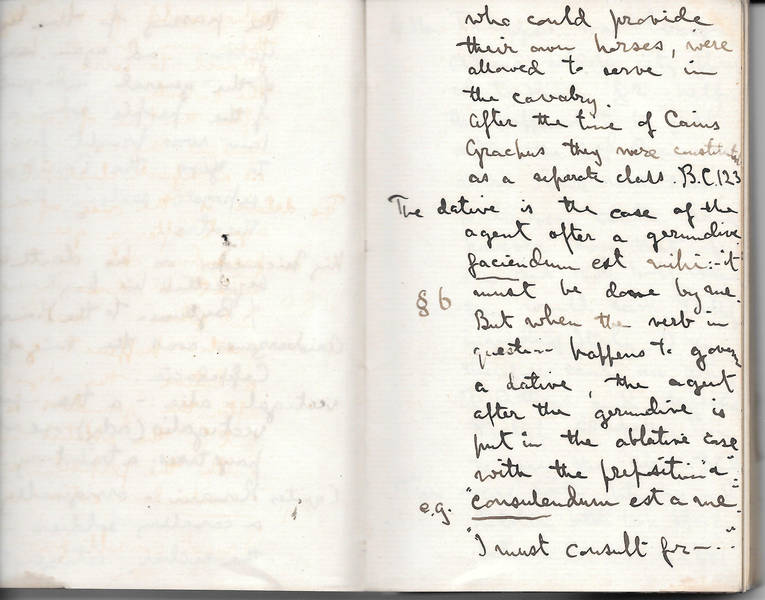
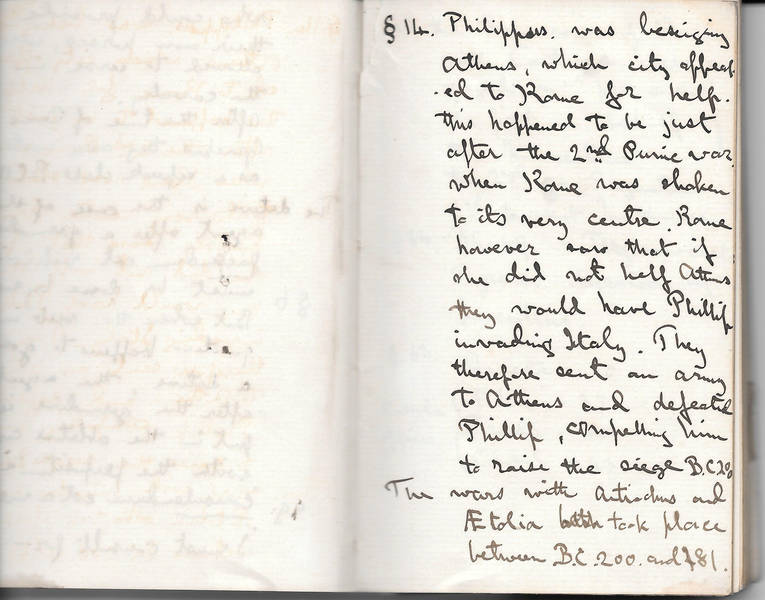
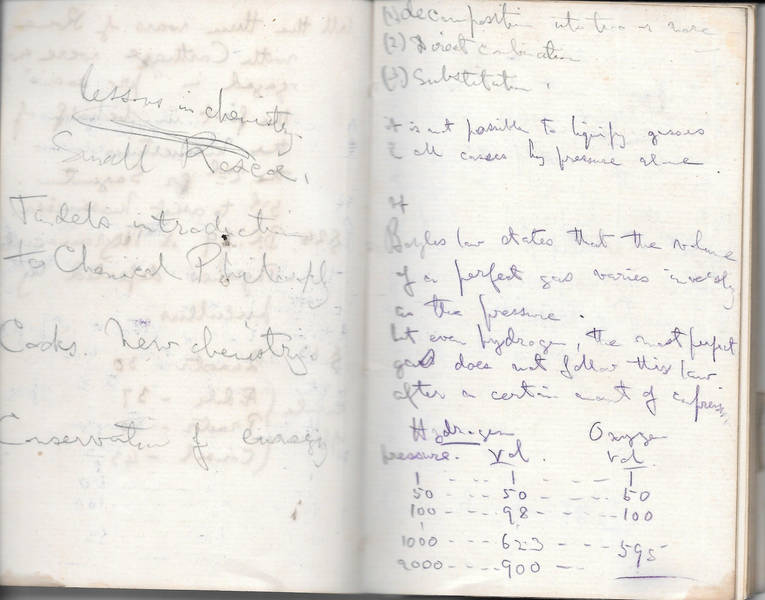
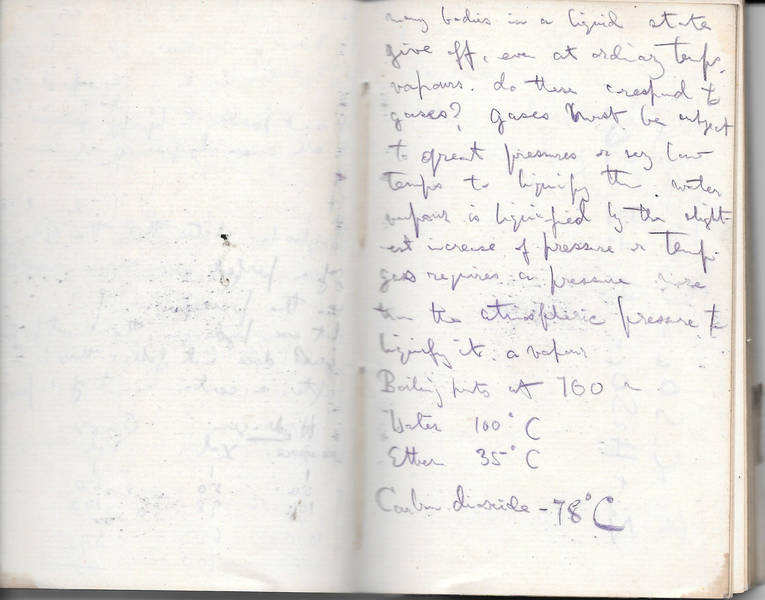
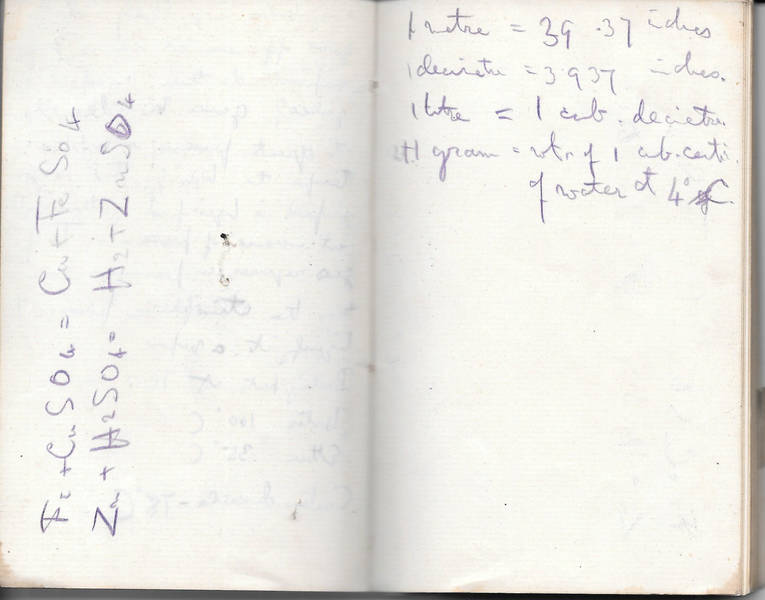
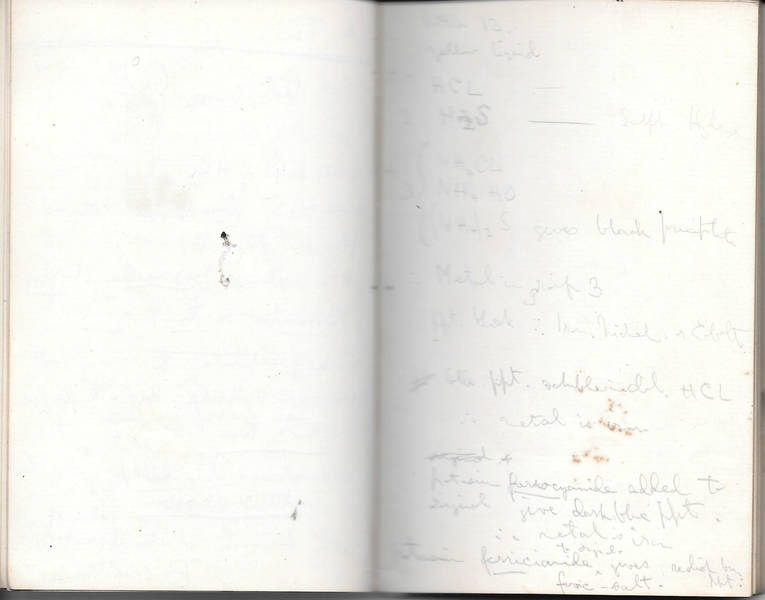
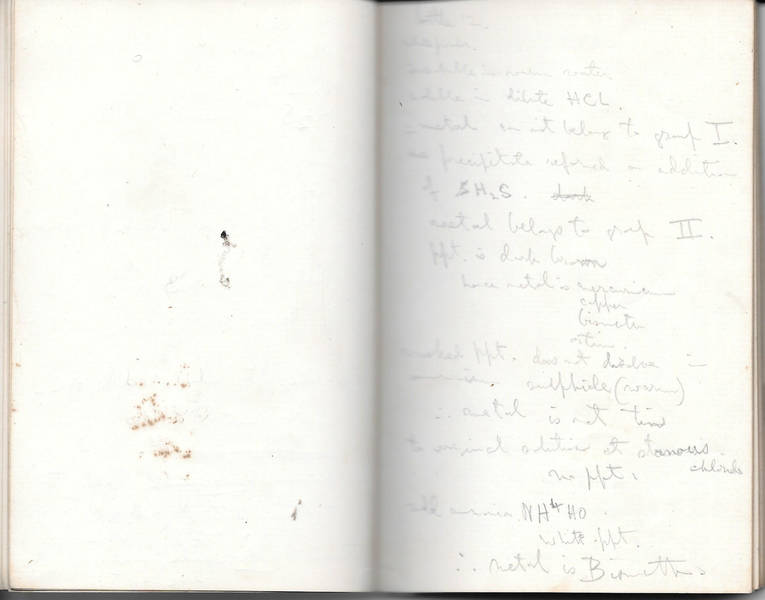
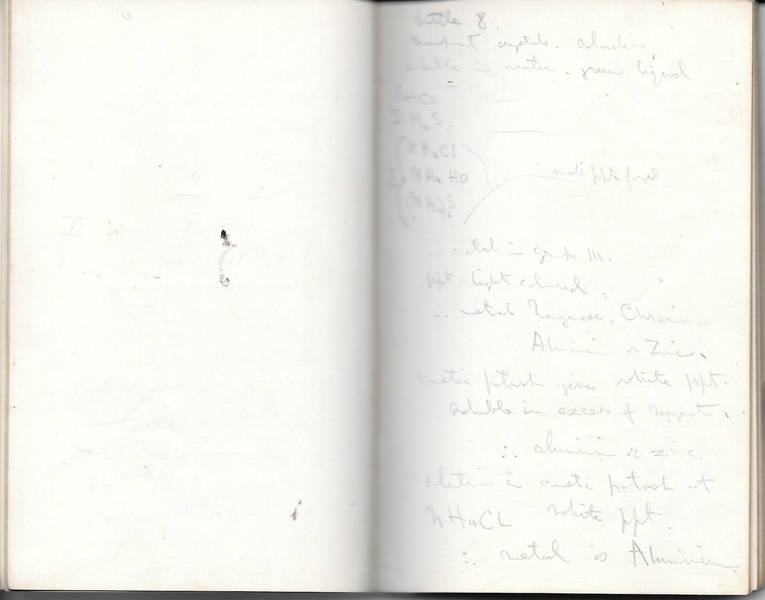
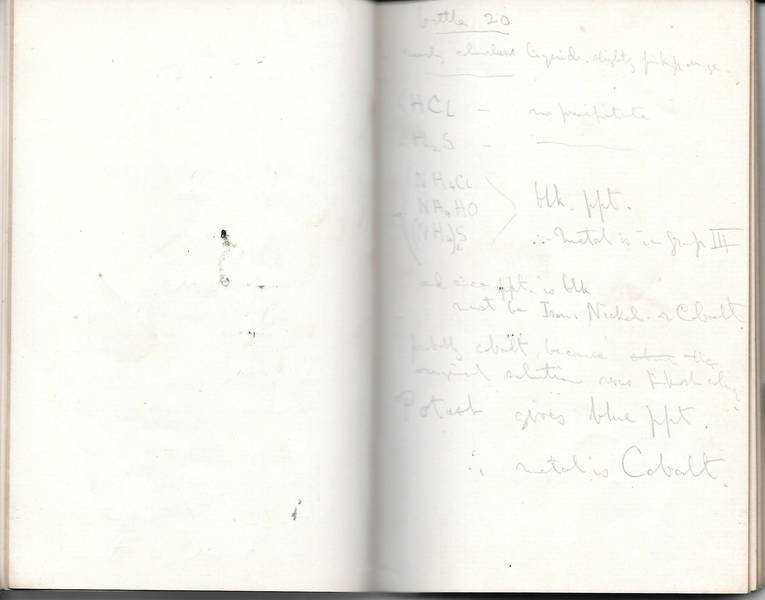
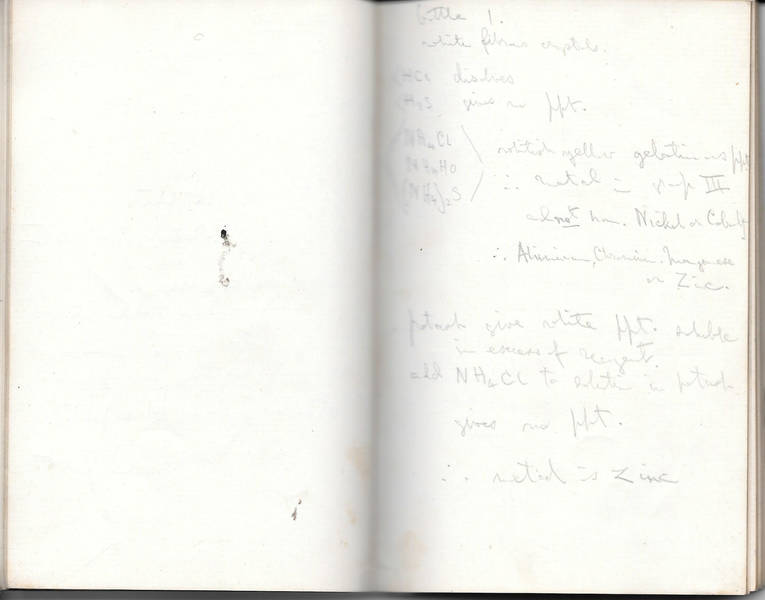
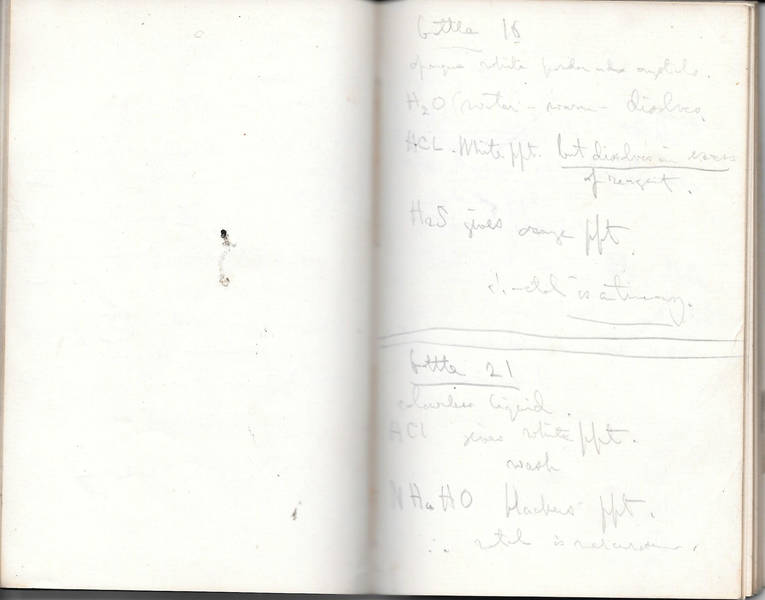
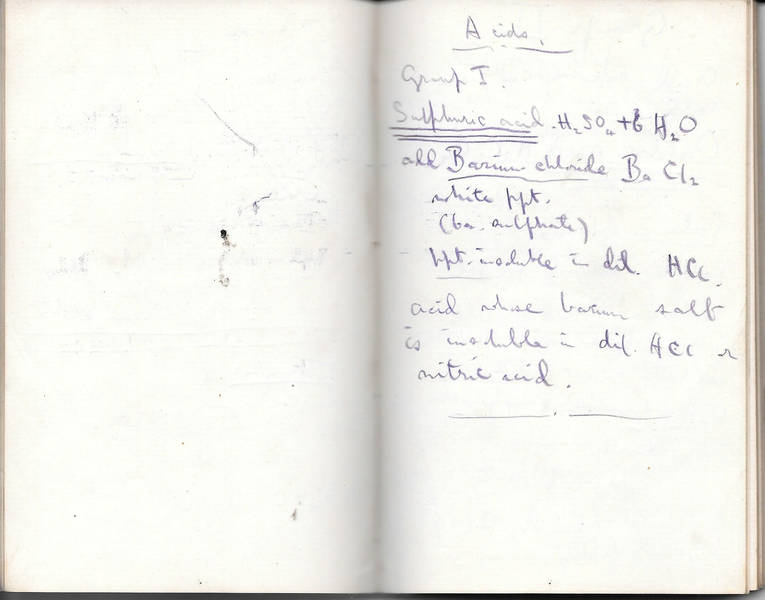
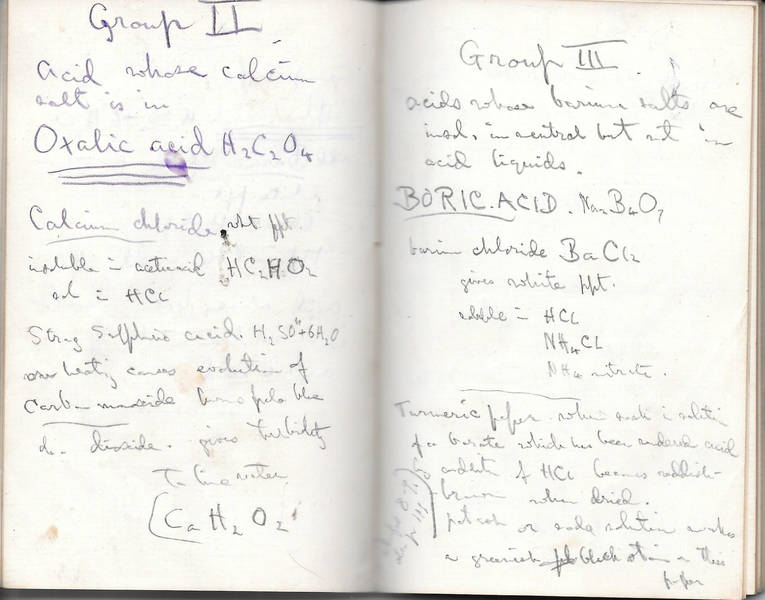
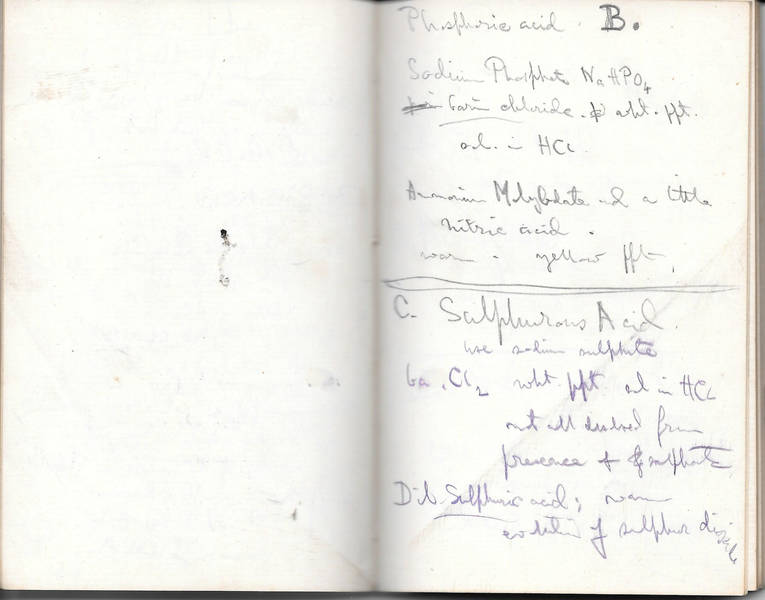
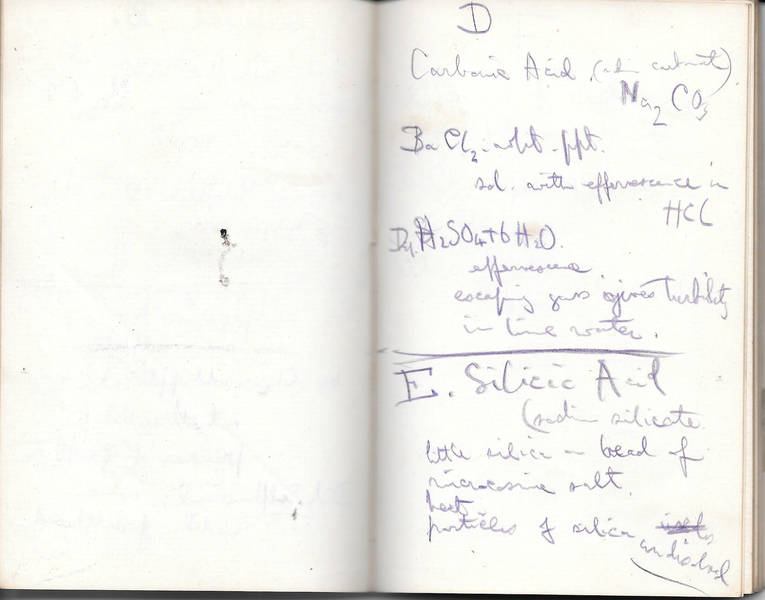
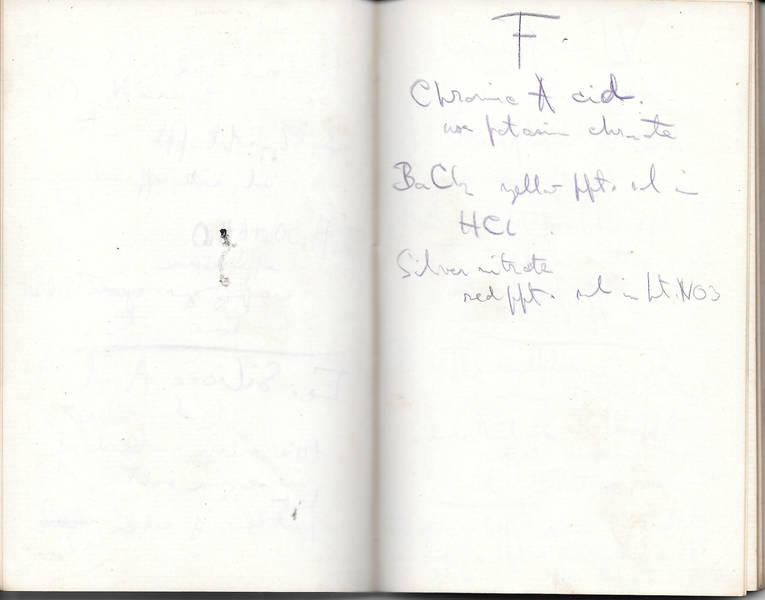
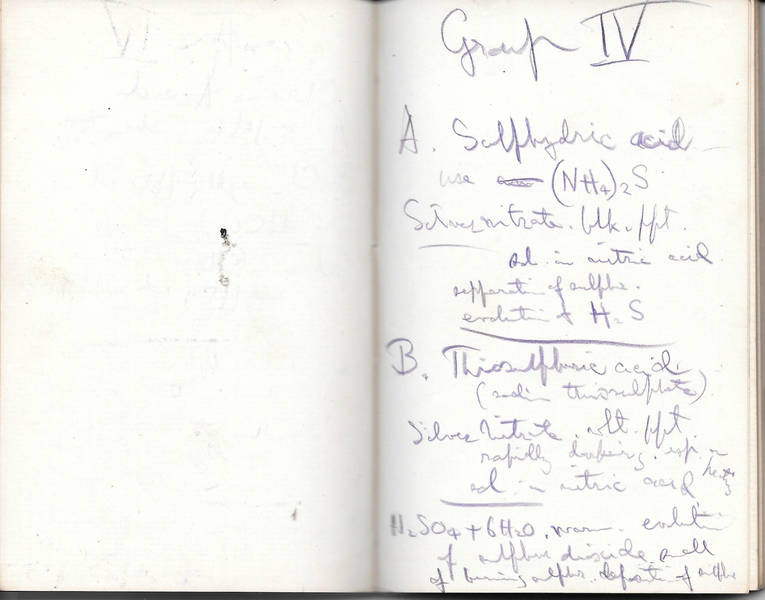
The writer recorded parish register entries, monument inscriptions, and references from historical publications. Hypotheses about family connections were tested and revised as new information emerged.
Pedigree Evidence Abstracts
Transcription here
This section contains summaries of historical documents referring to early bearers of the Bickersteth name. Many references appear in medieval charters and land transactions recorded in Lancashire.
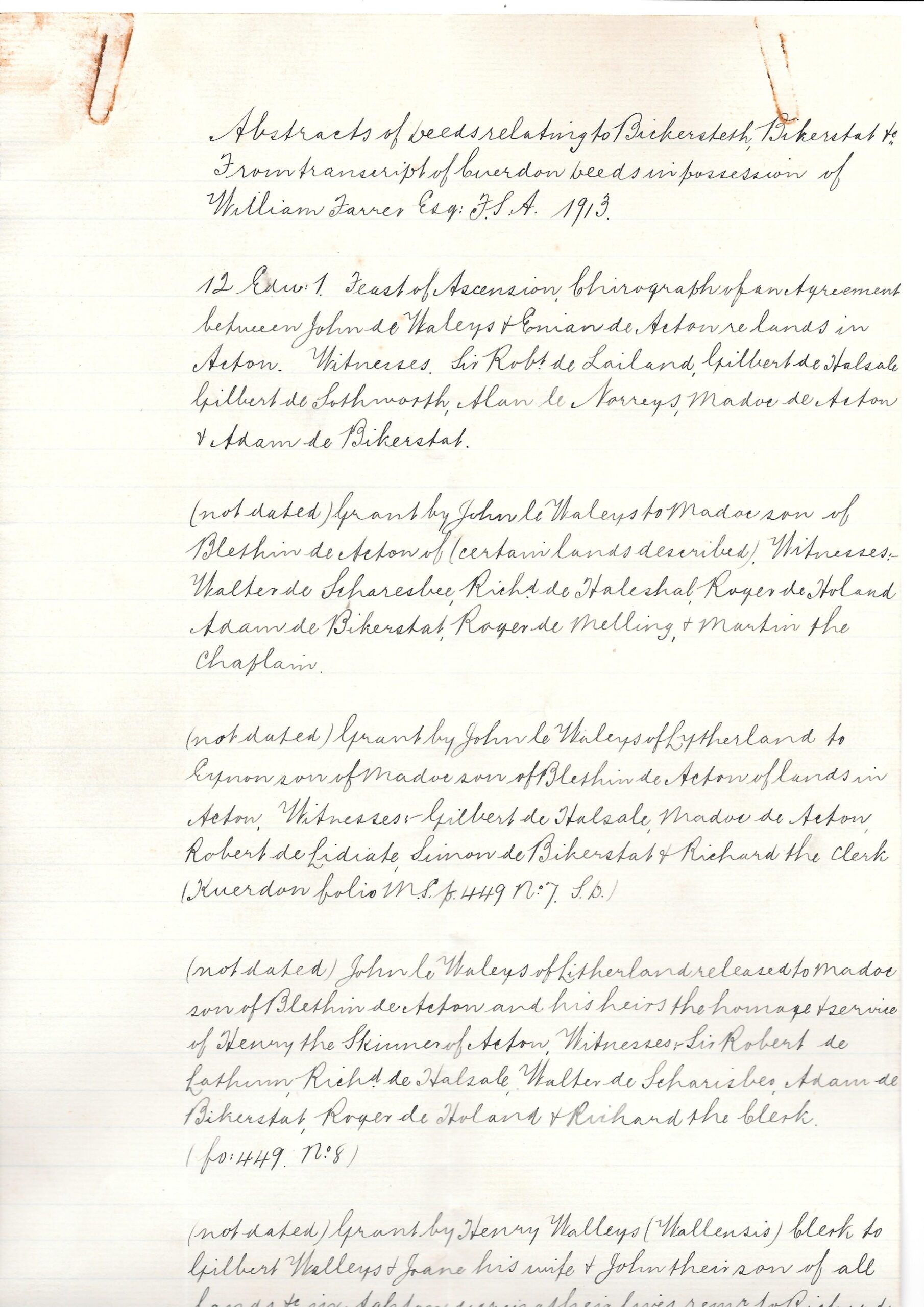
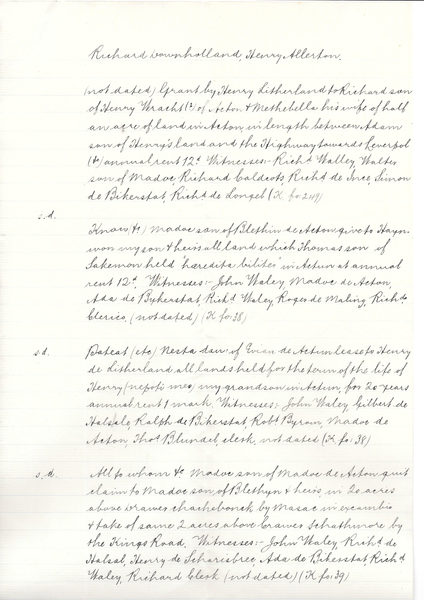
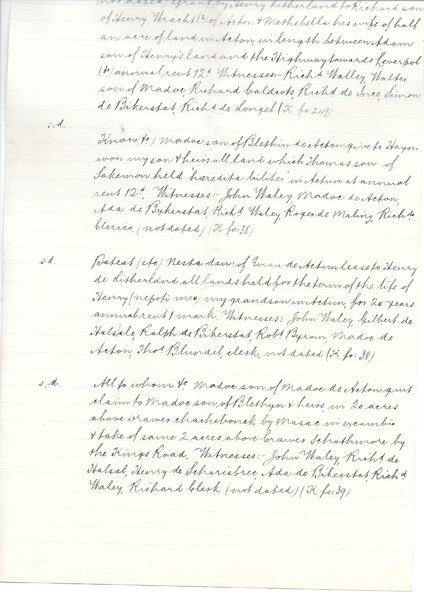
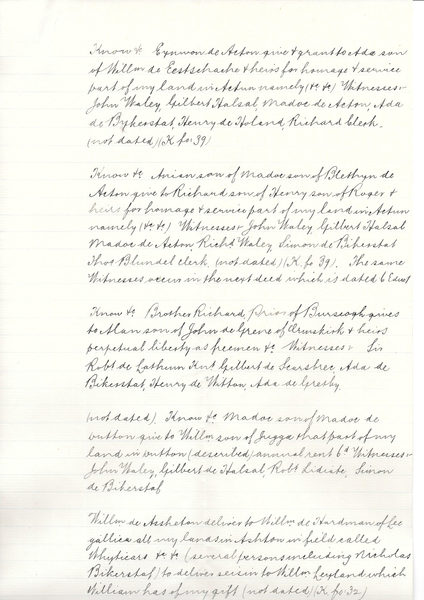
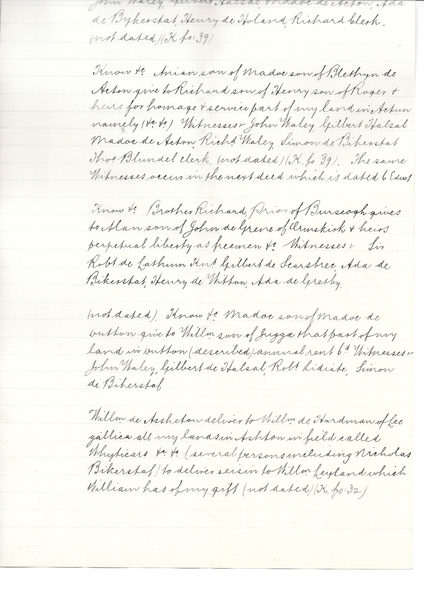
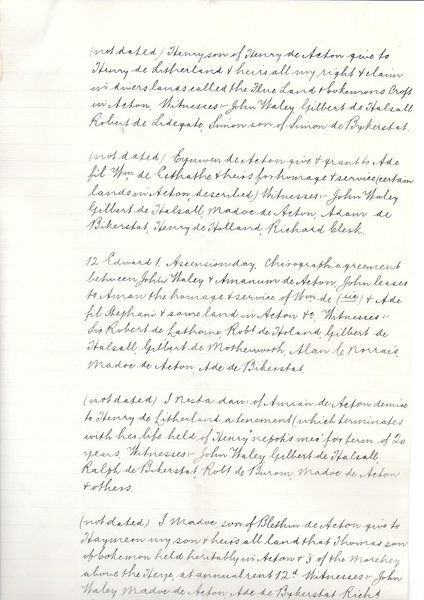
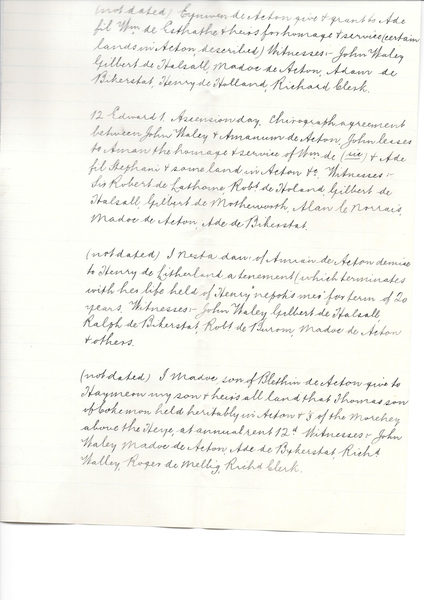
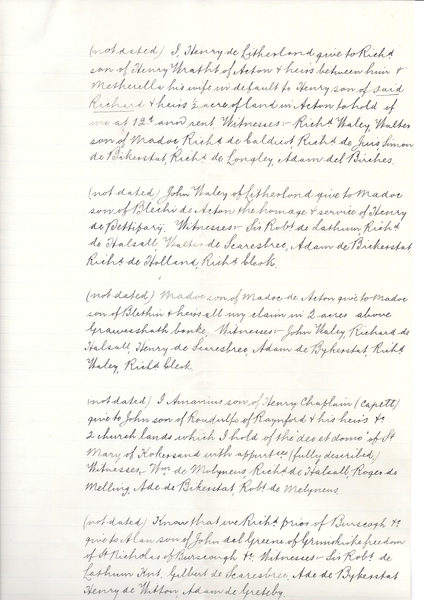
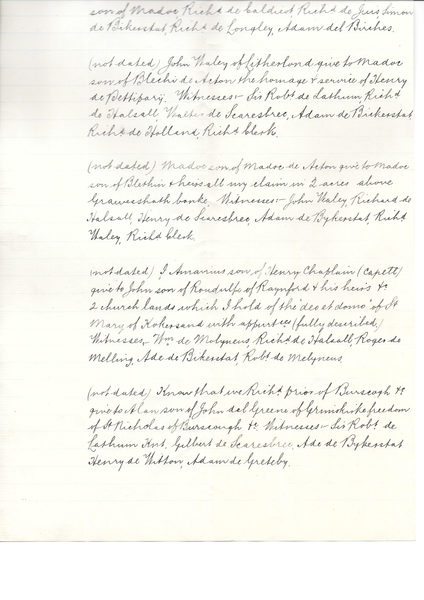
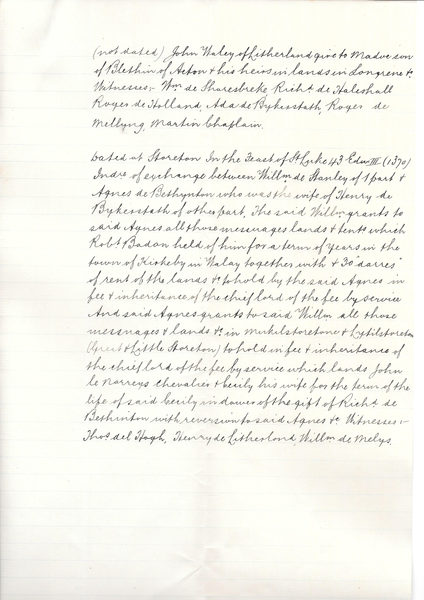
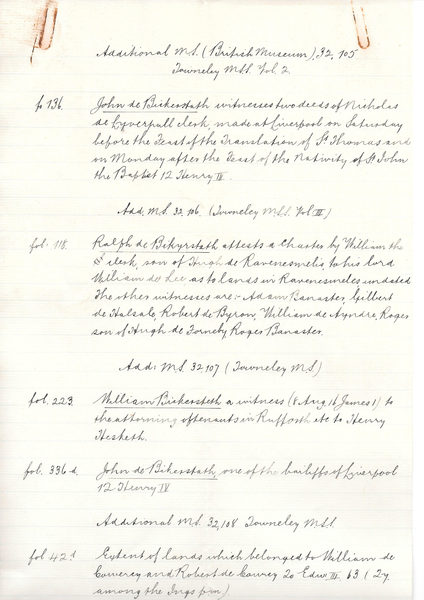
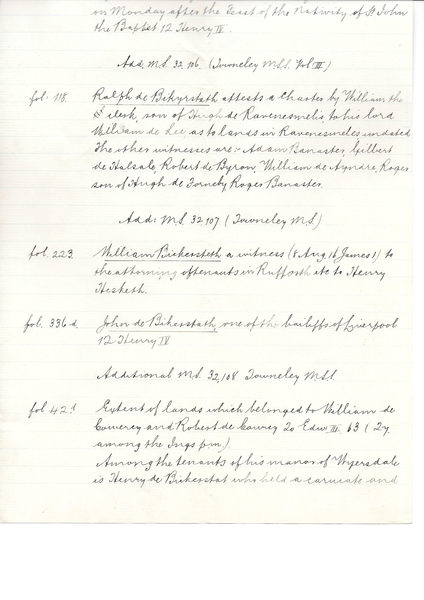
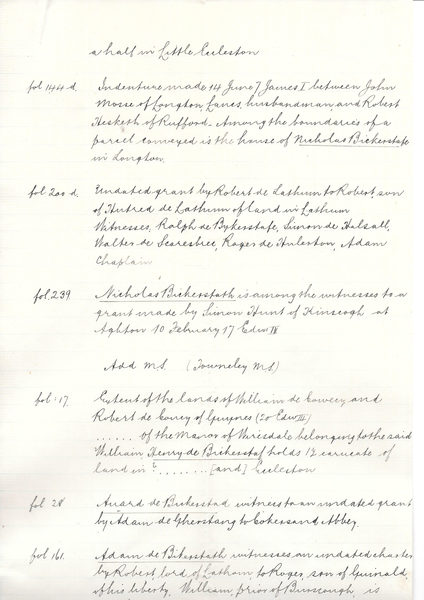
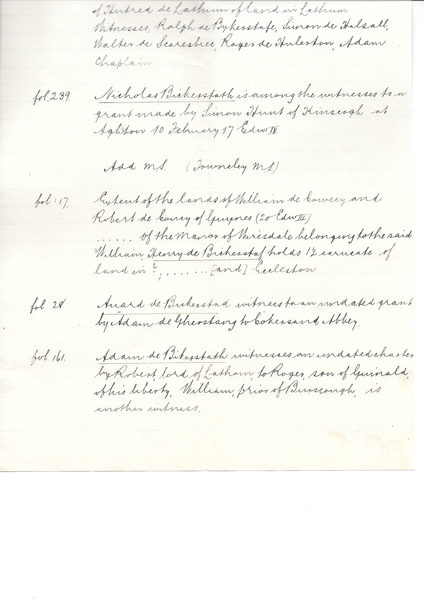
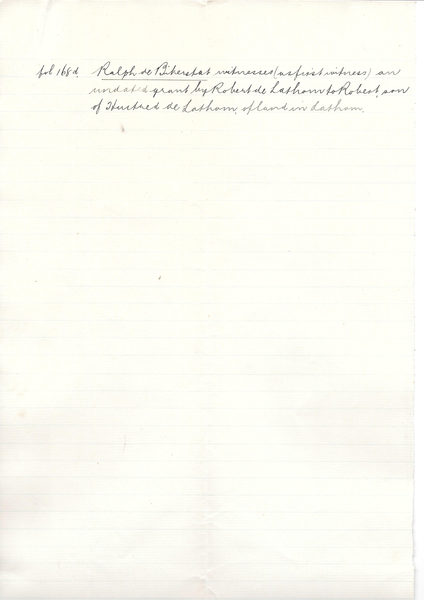
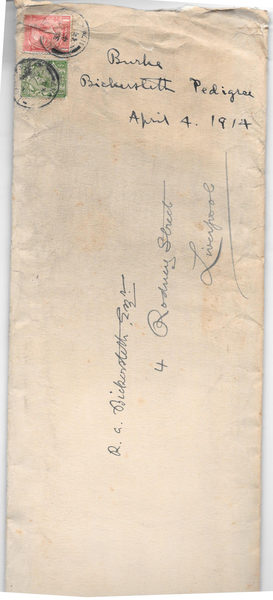
These abstracts were compiled to support the claim that the Bickersteth surname derived from the place-name Bickerstaffe.
Heralds’ College Correspondence (1906)
Transcription here
In 1906 members of the Bickersteth family corresponded with Heralds’ College in London, the institution responsible for regulating heraldry and recording pedigrees in England.
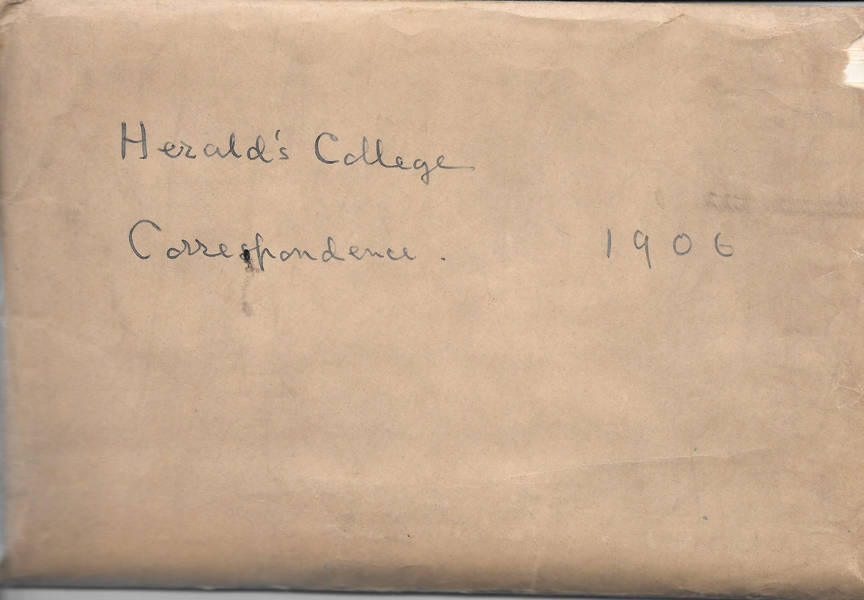
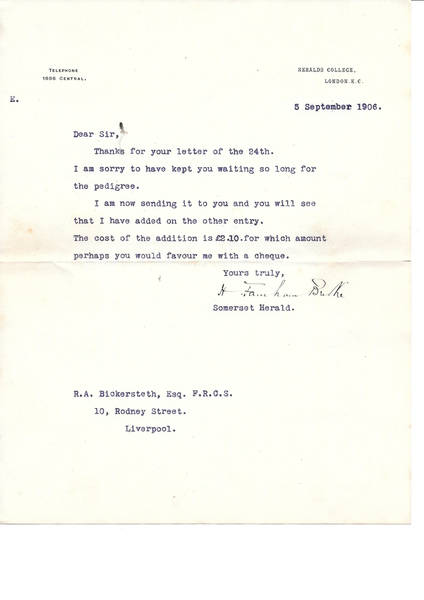
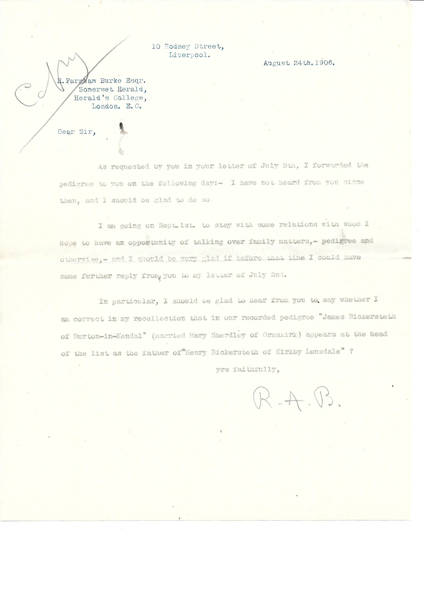
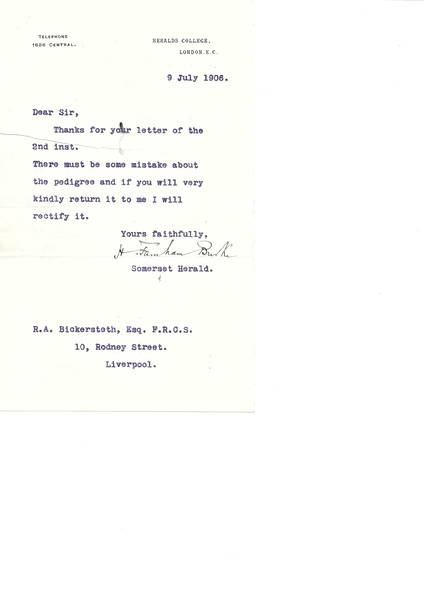
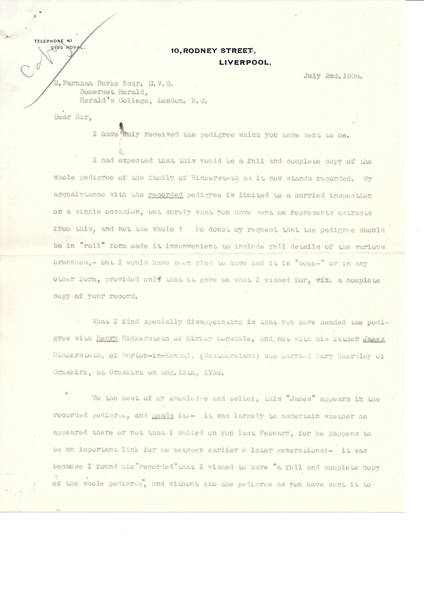
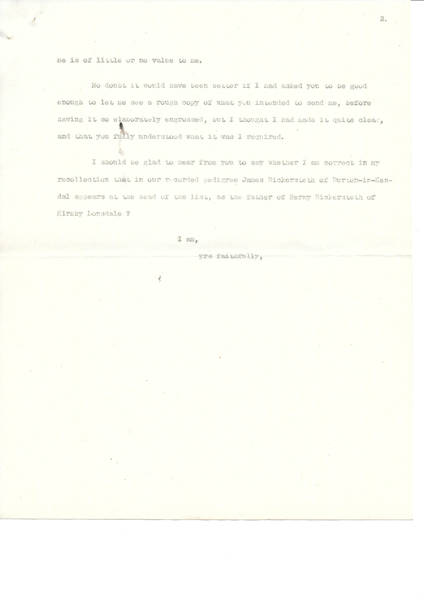
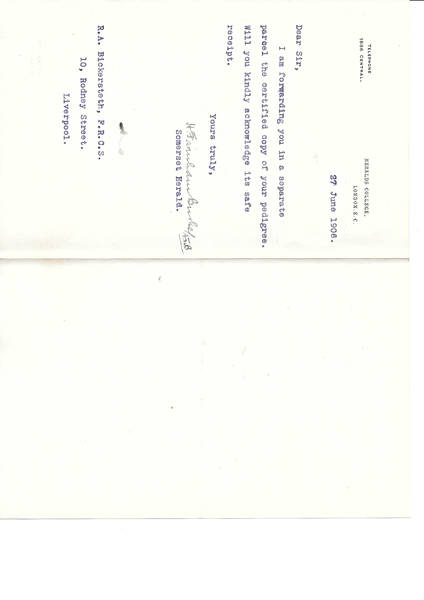
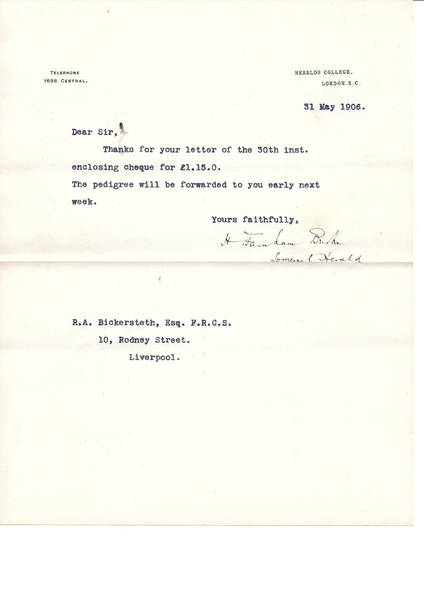
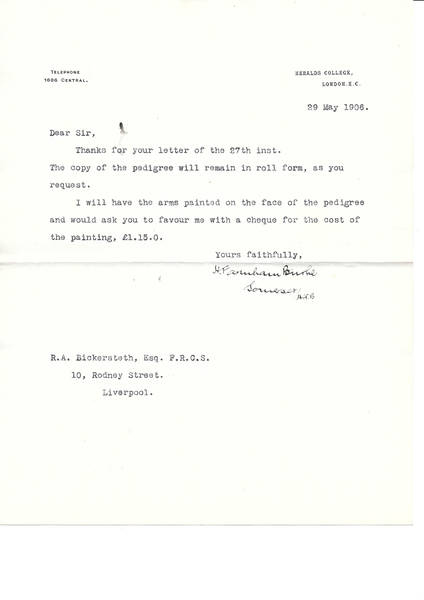
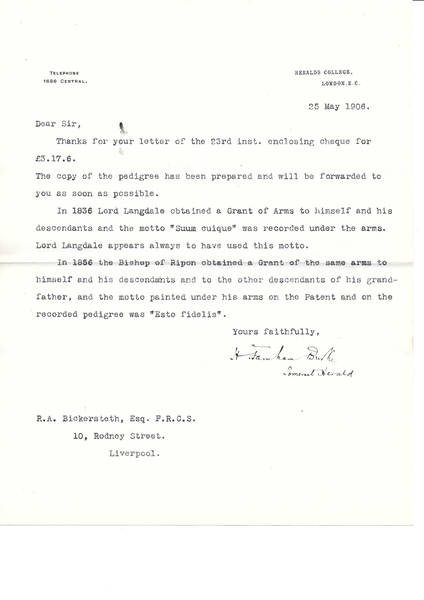
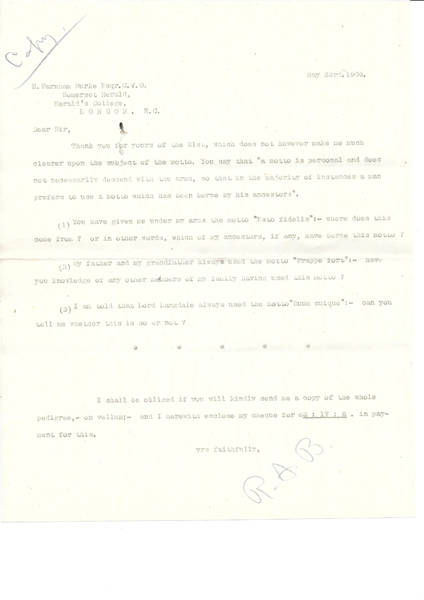
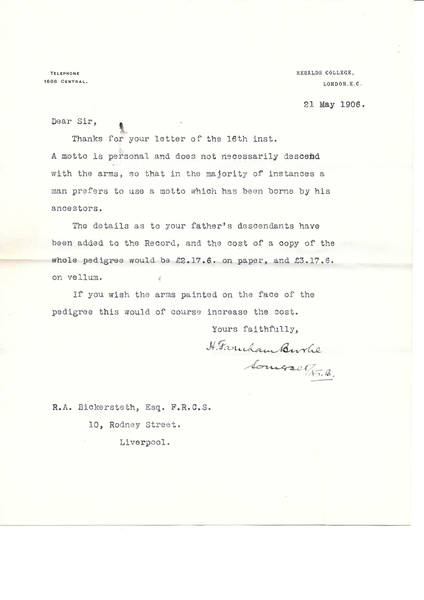
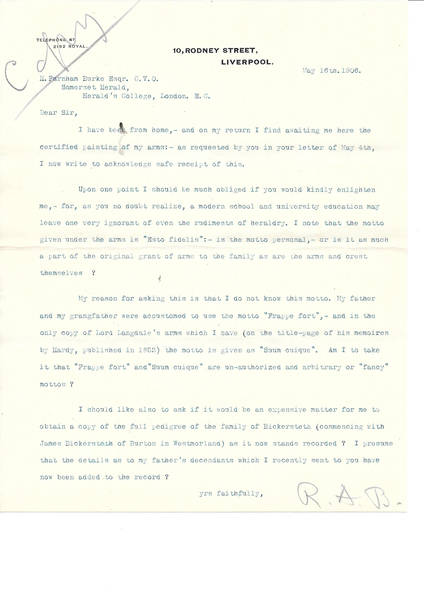
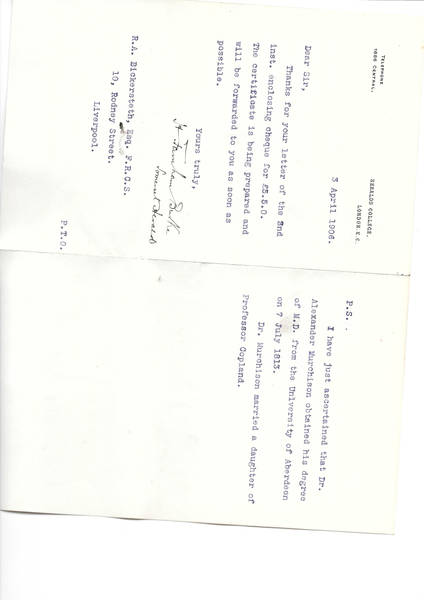
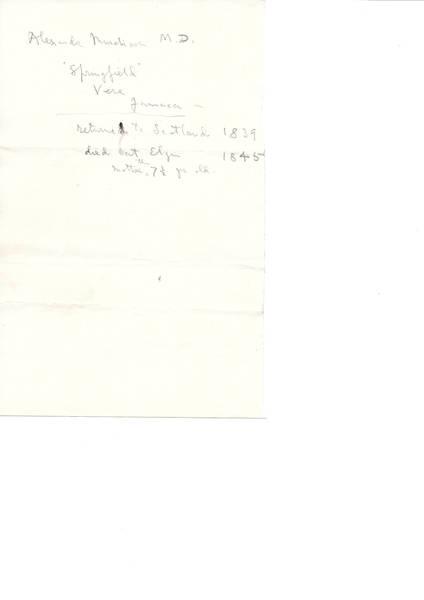
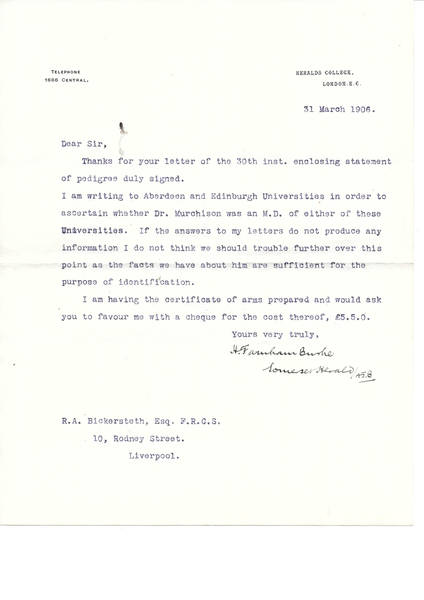
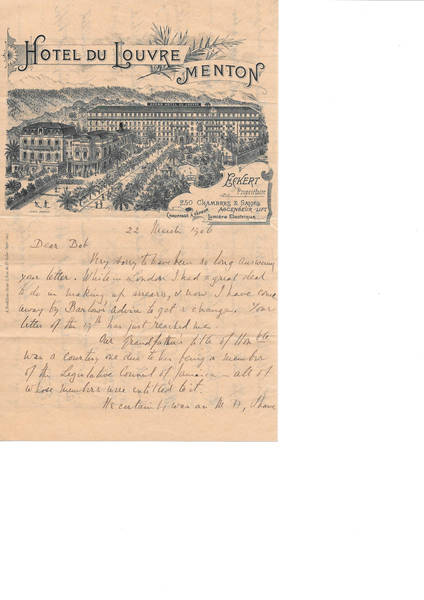
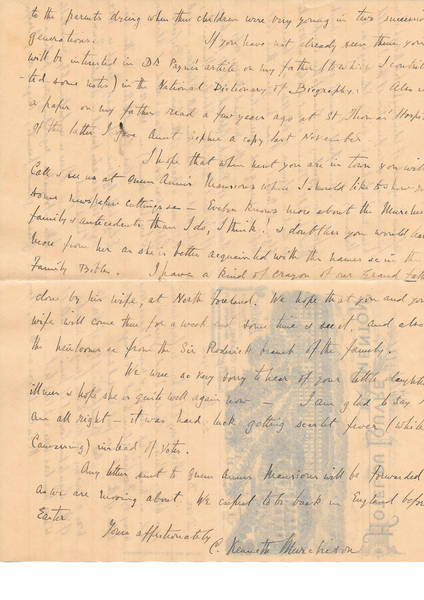
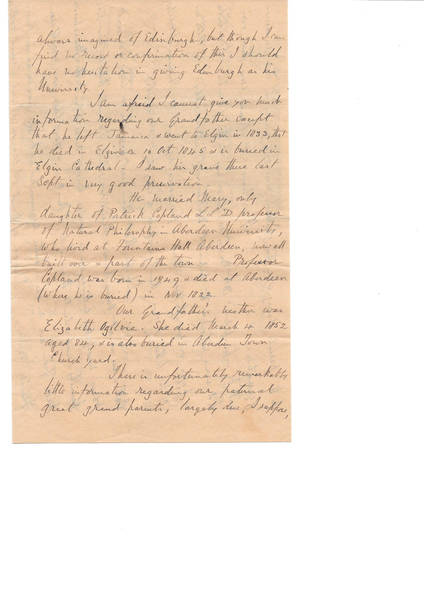
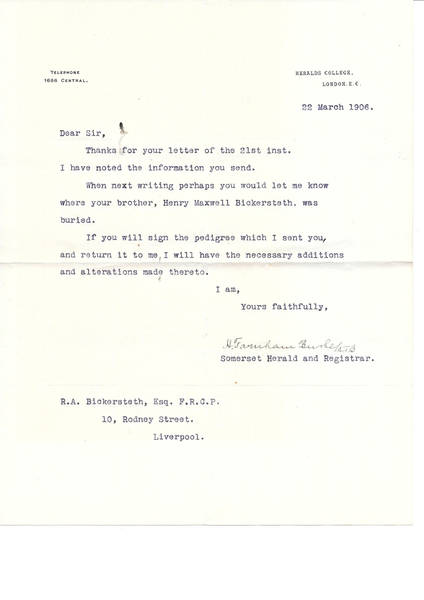
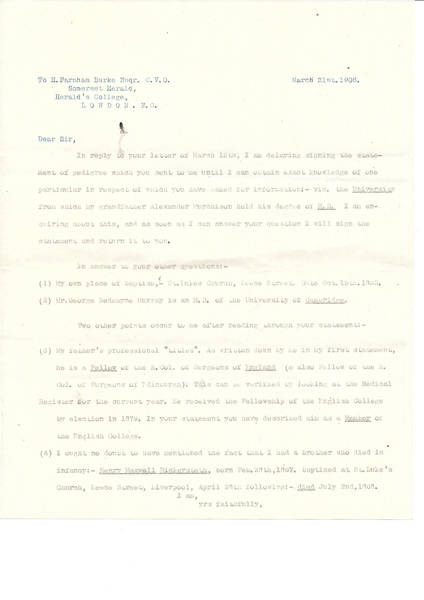
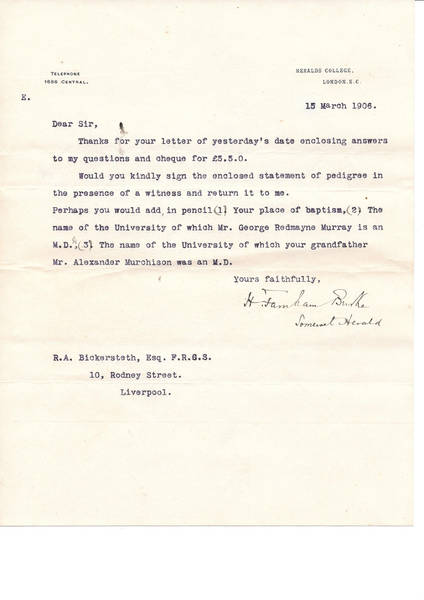
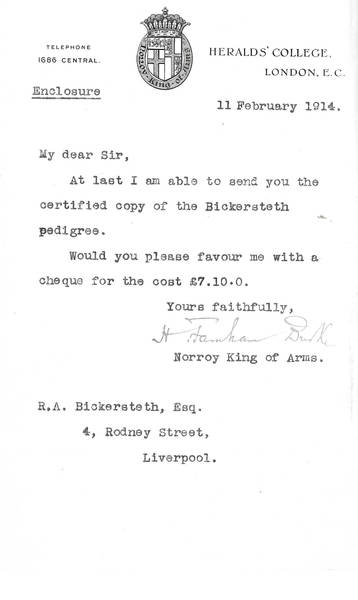
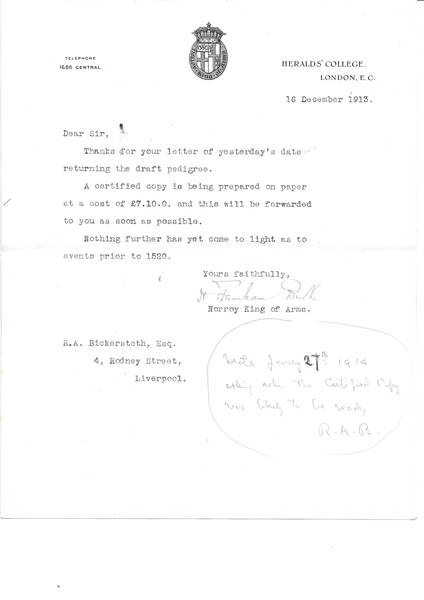
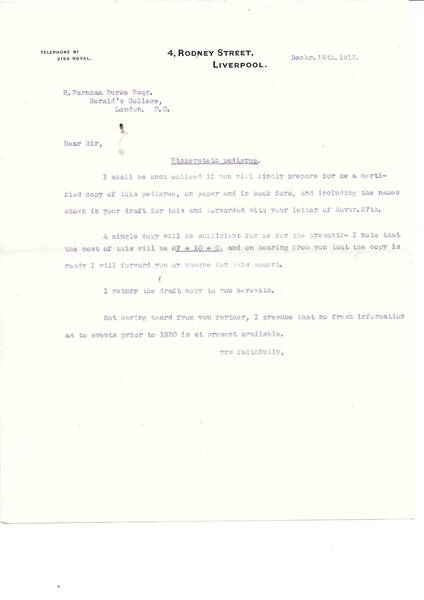
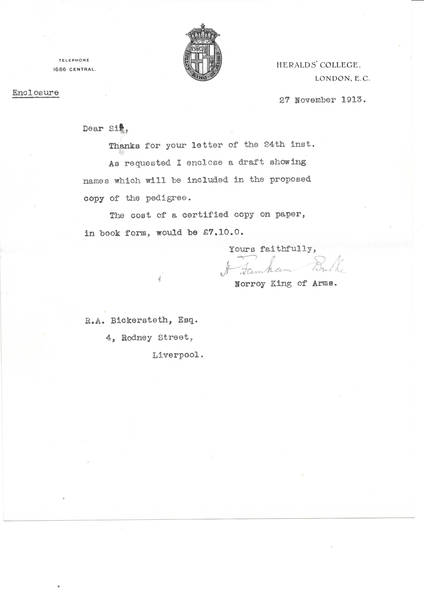
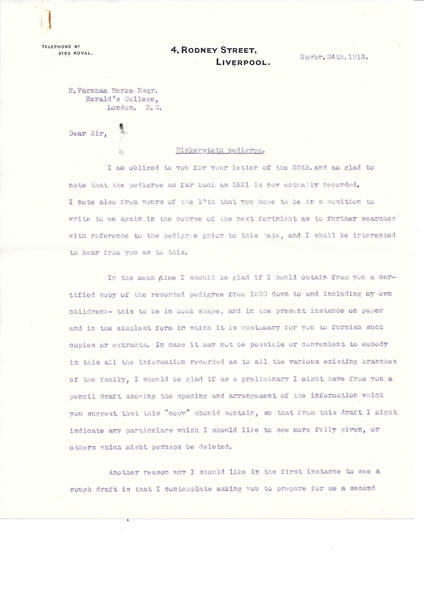
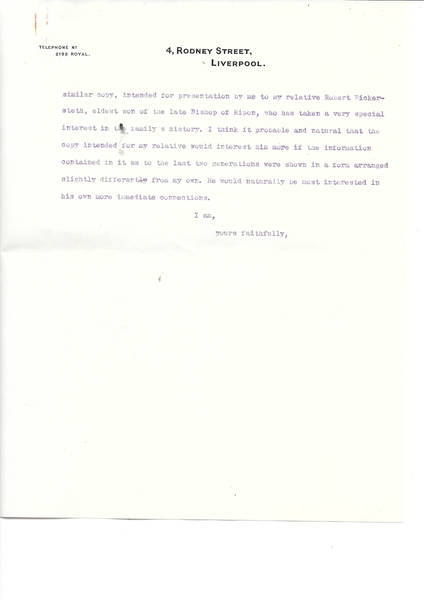
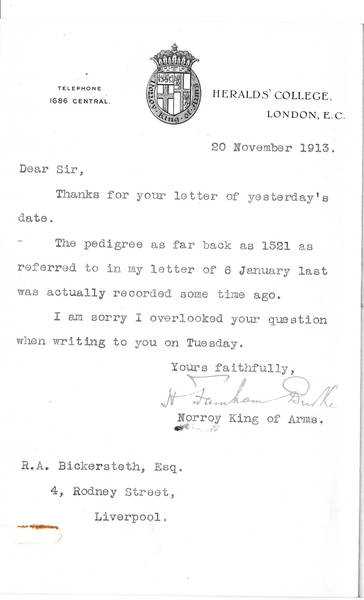
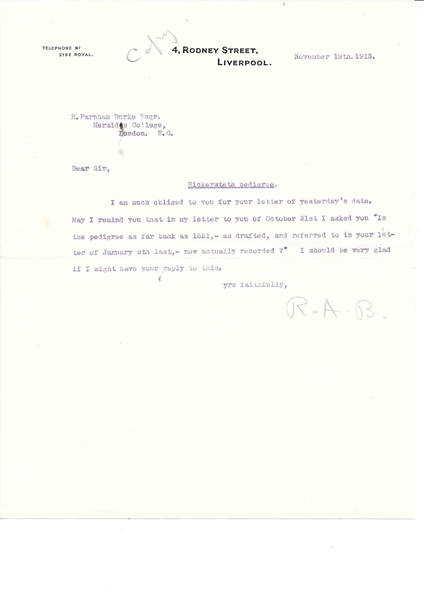
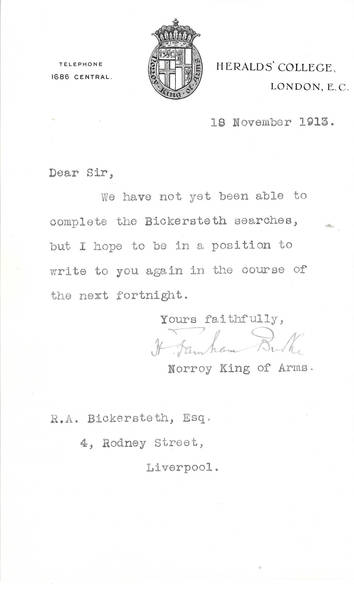
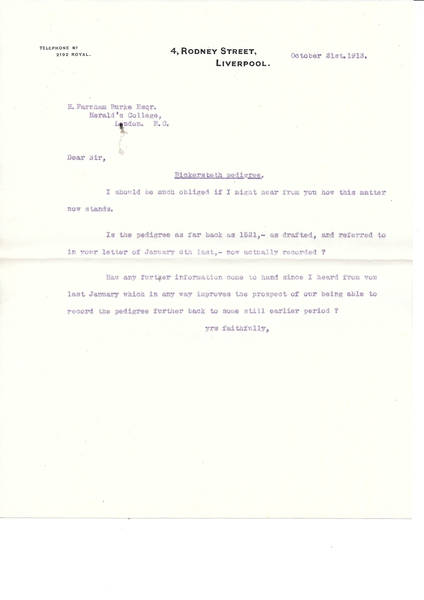
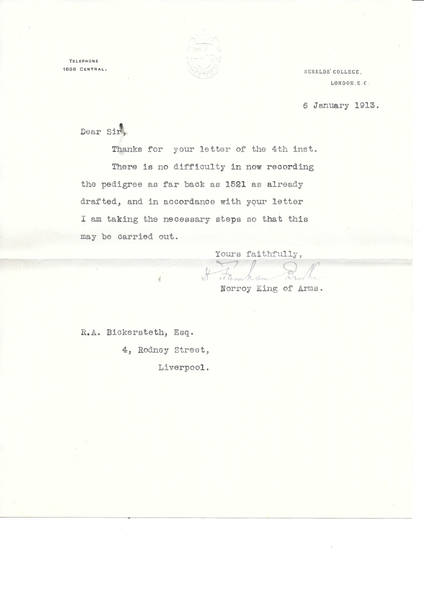
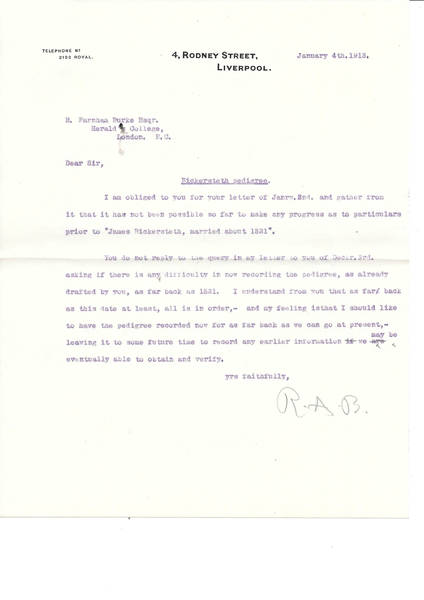
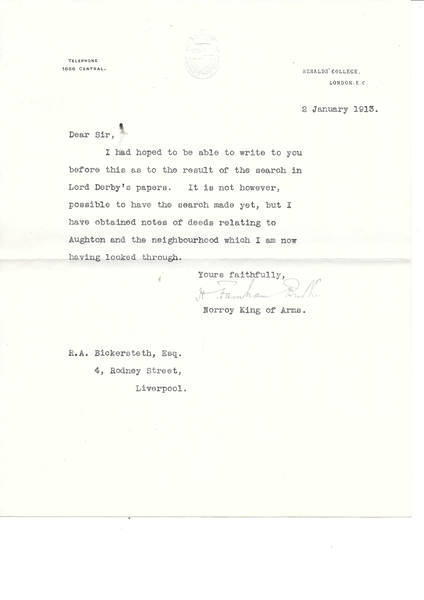
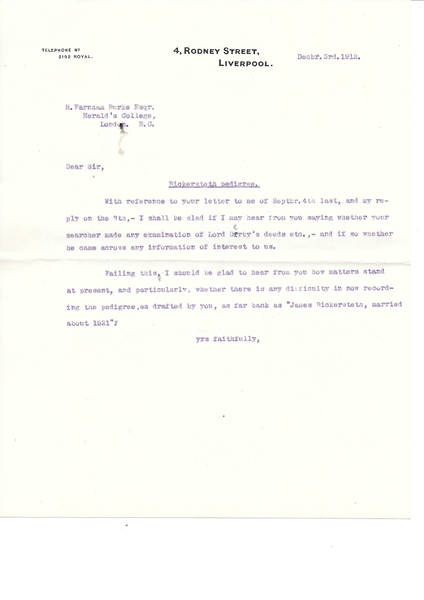
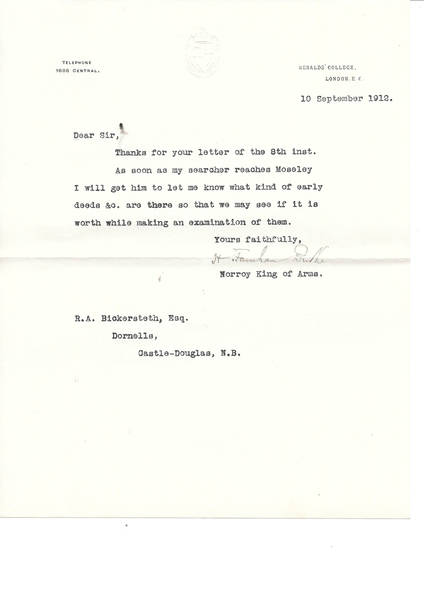
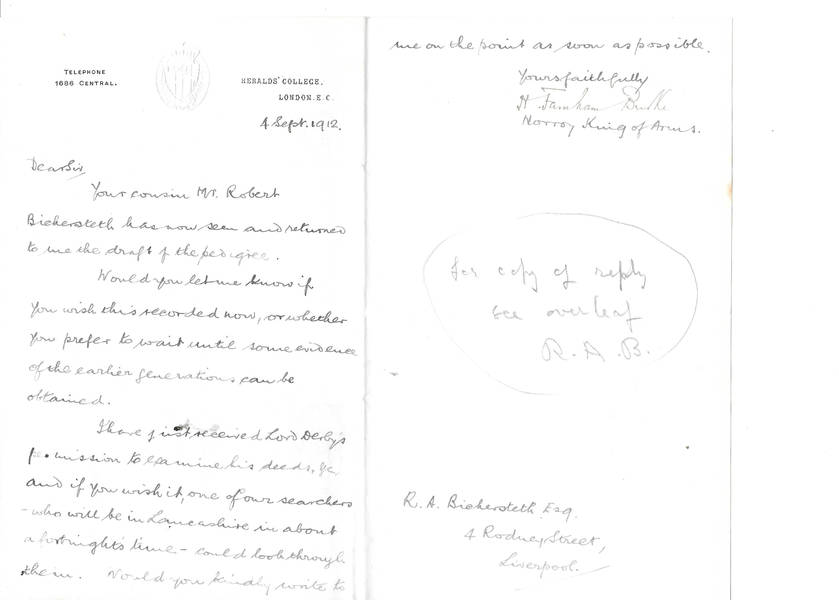
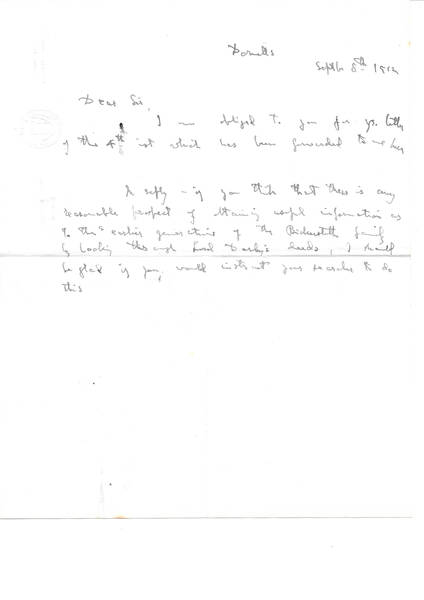
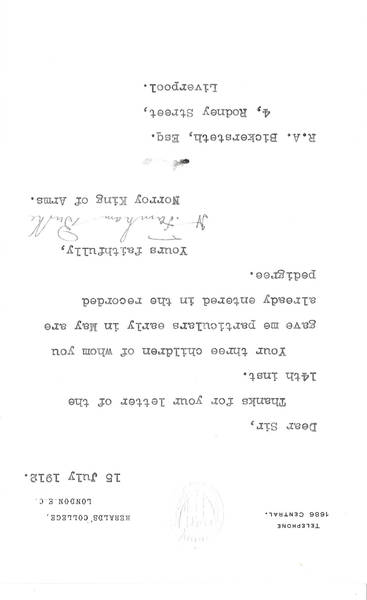
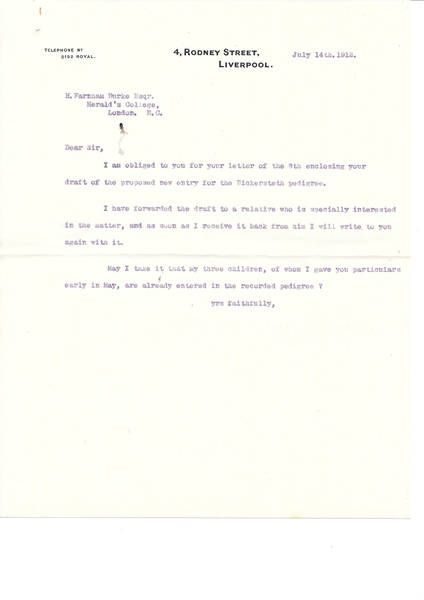
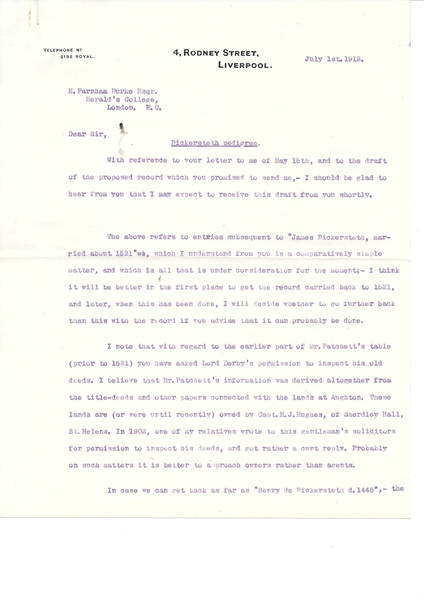
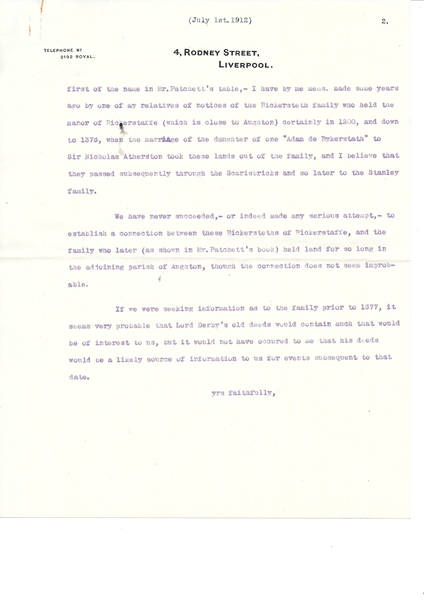
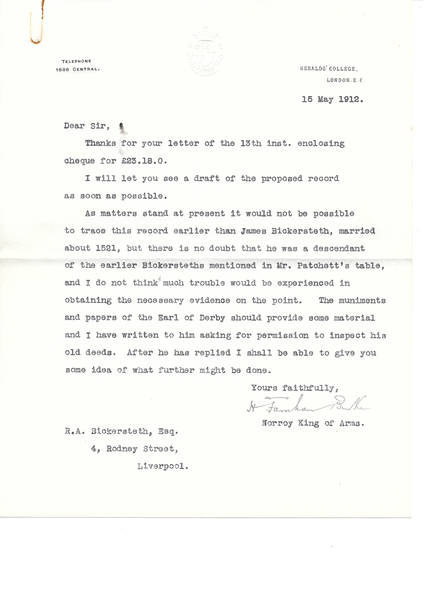
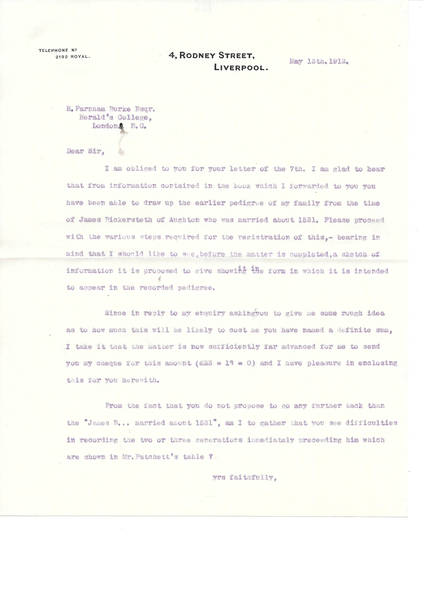
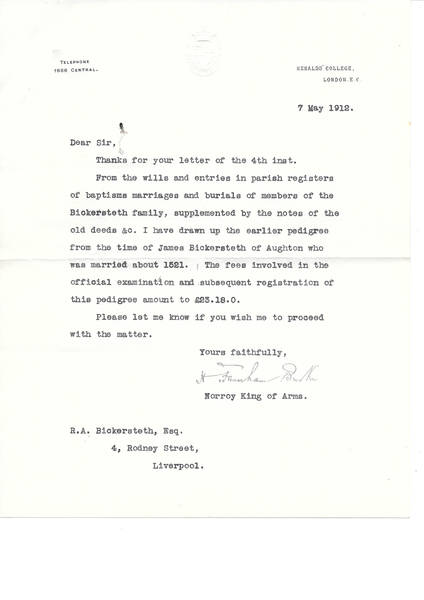
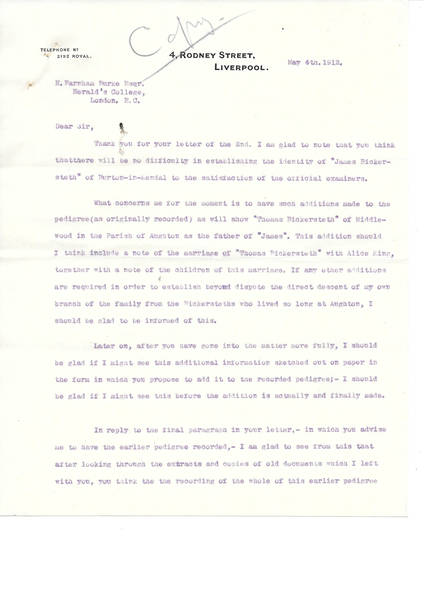
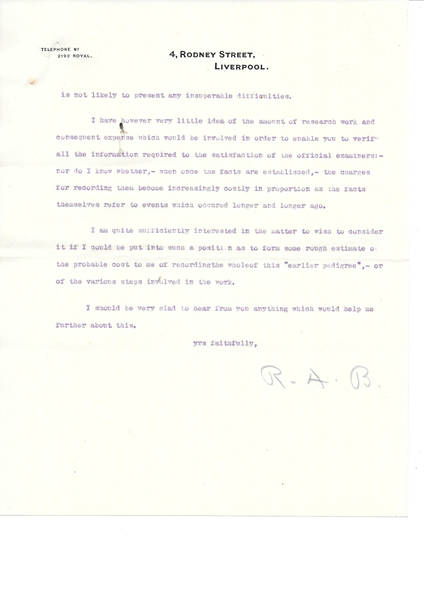
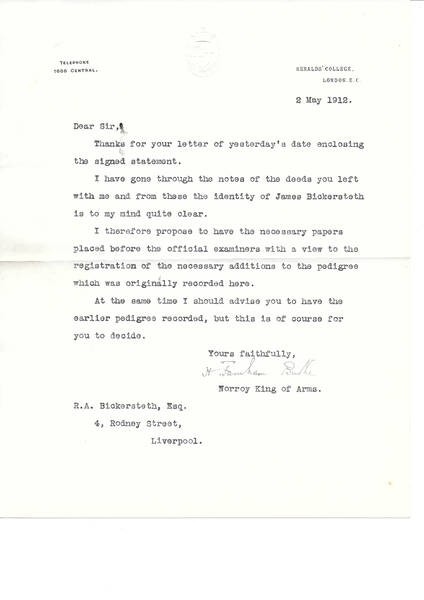
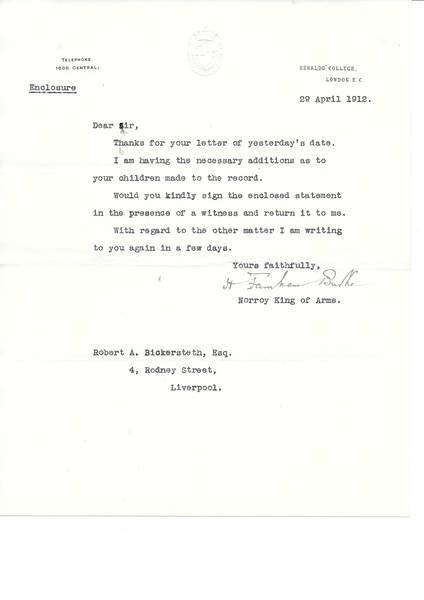
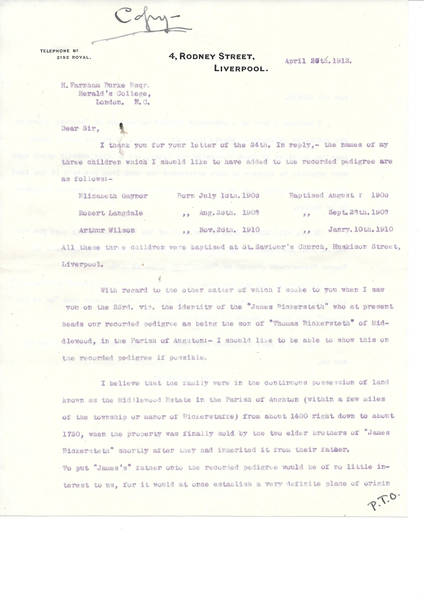
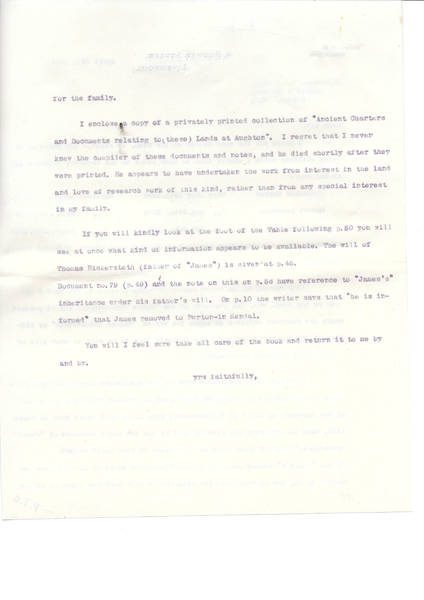
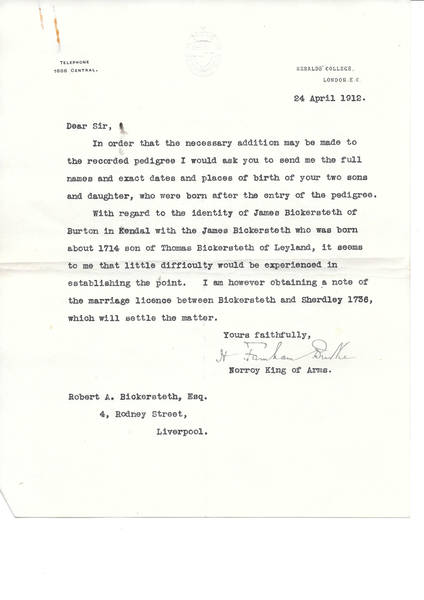
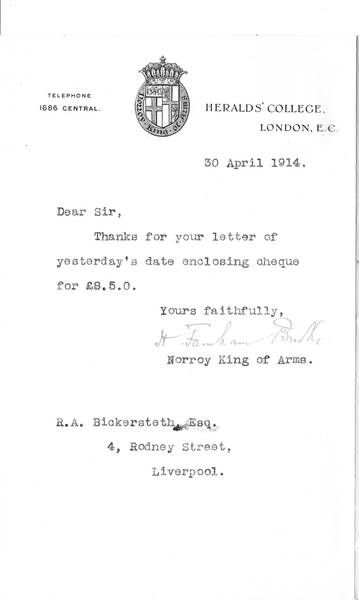
The letters preserved in this archive suggest that the family sought confirmation of their pedigree and possibly clarification regarding heraldic rights.
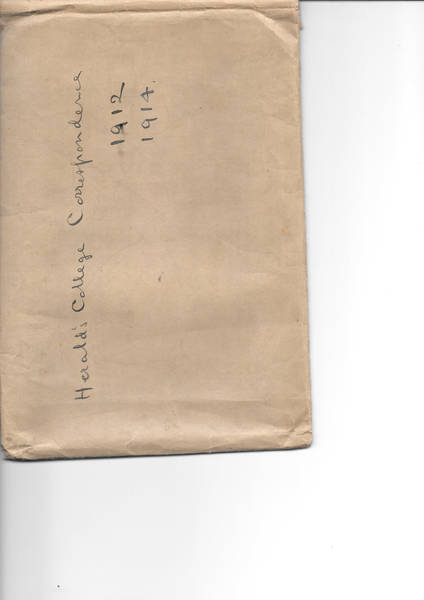
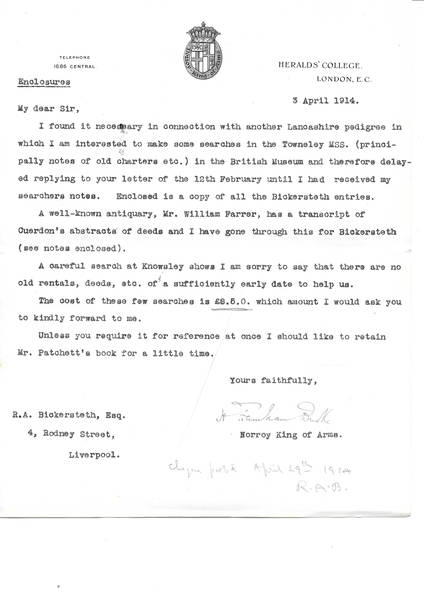
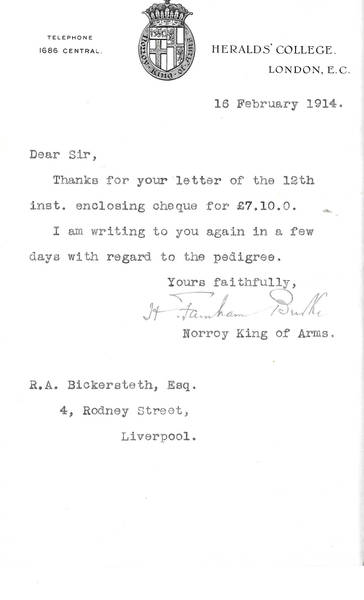
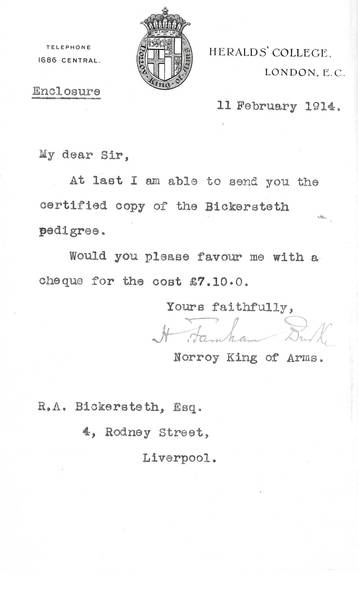
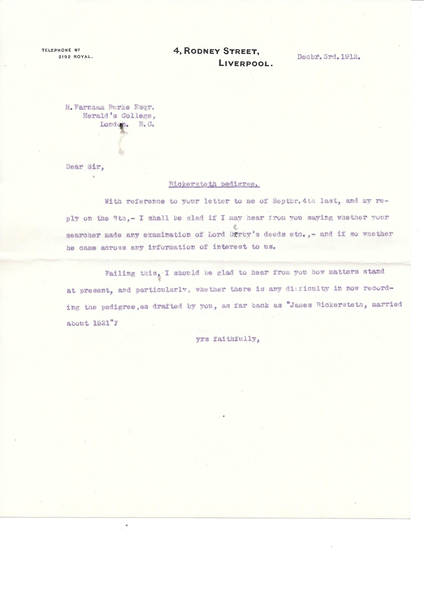
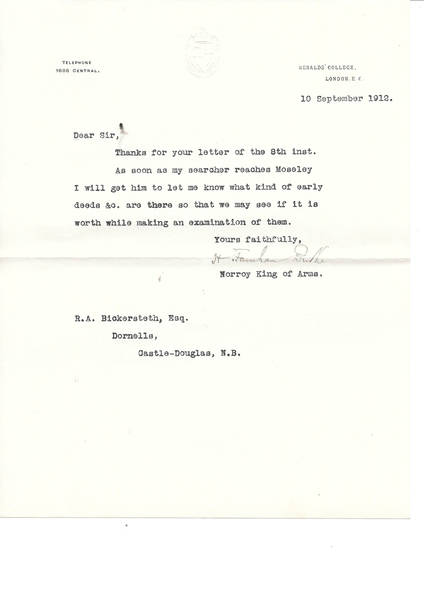
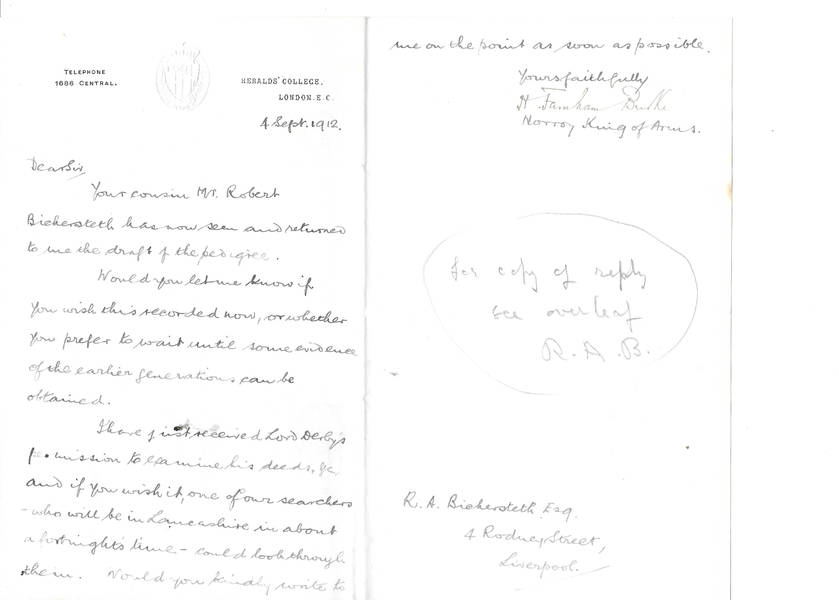
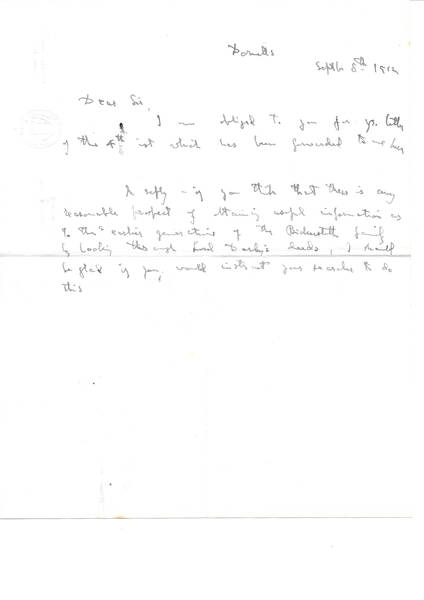
Heralds’ College Correspondence (1912–1914)
Transcription here
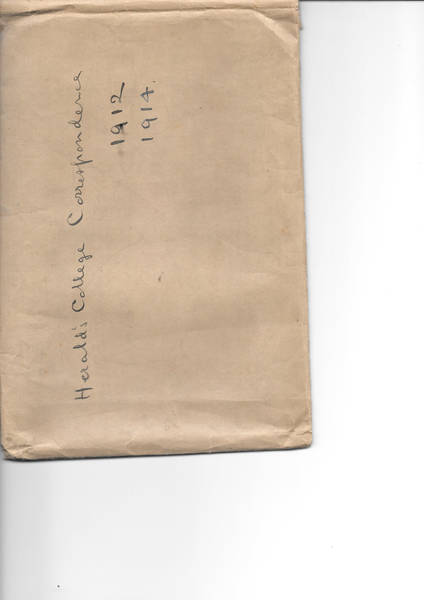
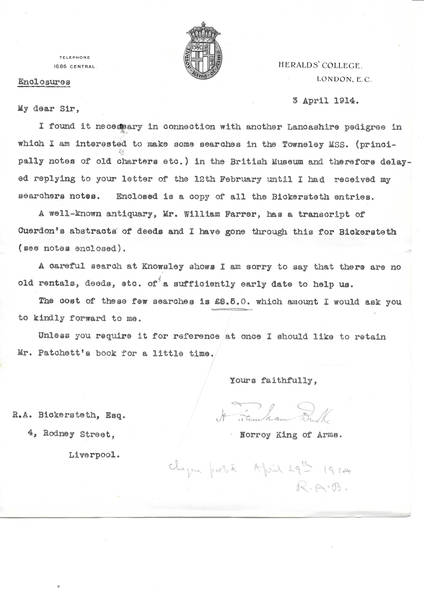
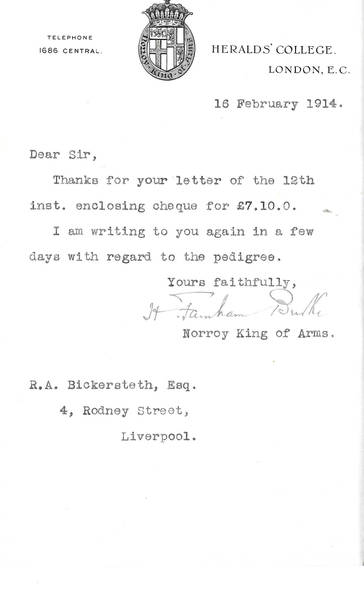
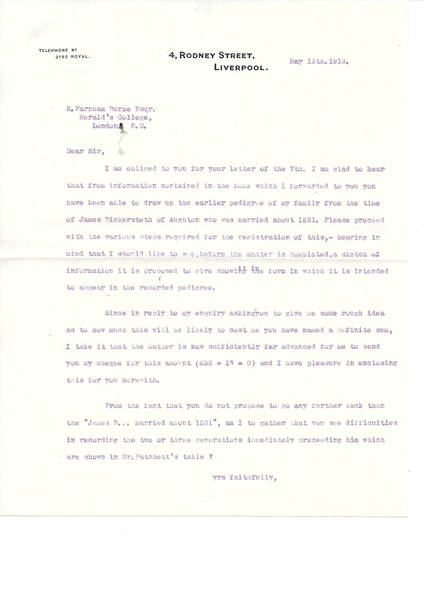
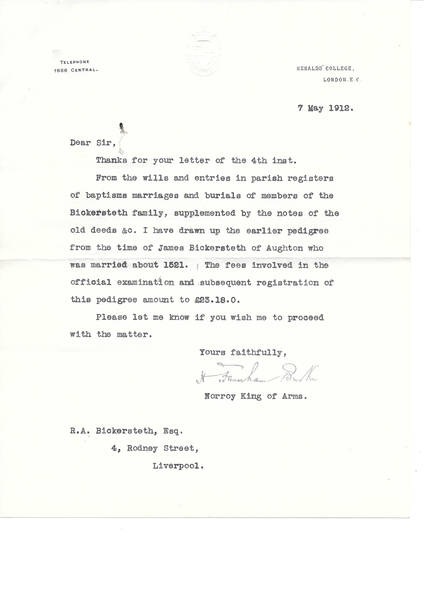
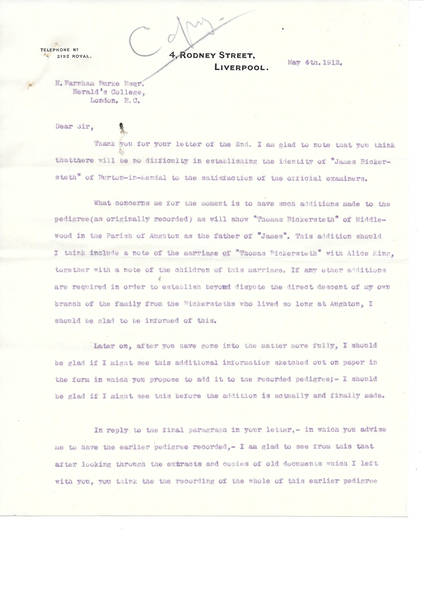
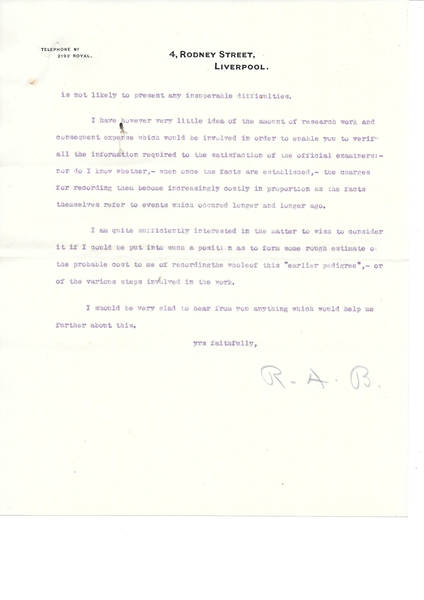
Later letters show that genealogical enquiries continued during the years immediately before the First World War. The family revisited earlier evidence and refined aspects of the pedigree.
Murchison Family Evidence
Transcription here
This folder contains genealogical material relating to the Murchison family and associated lines connected to the Bickersteth research.
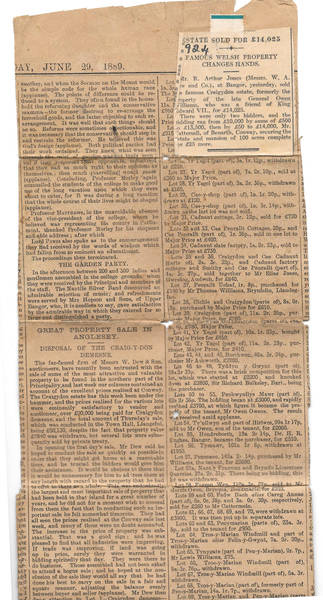
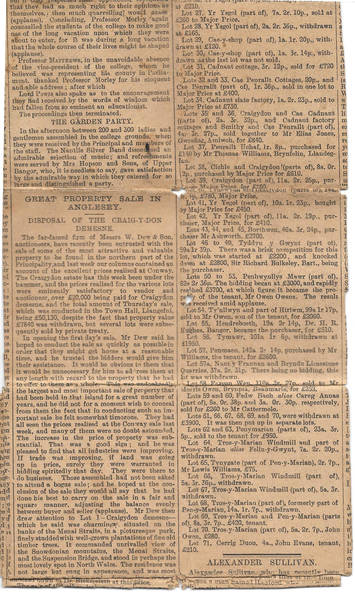
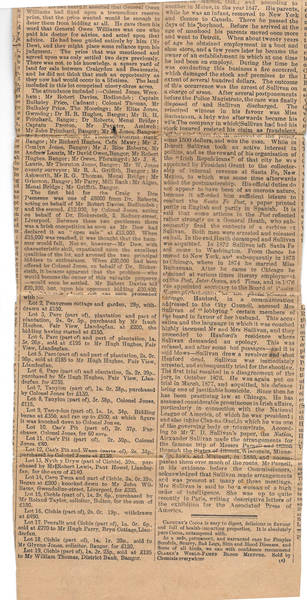
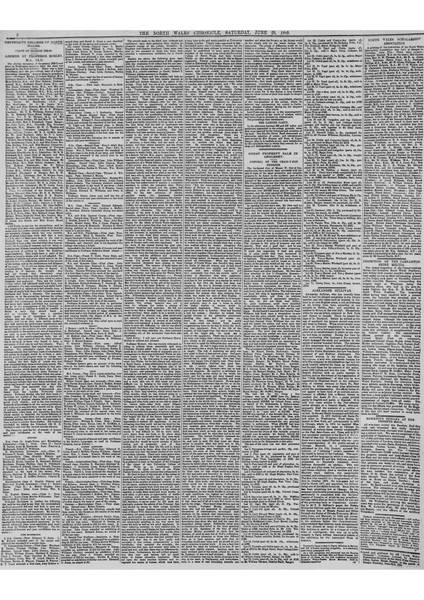
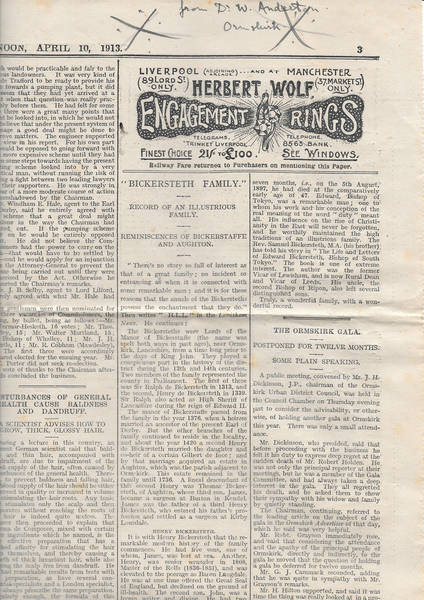
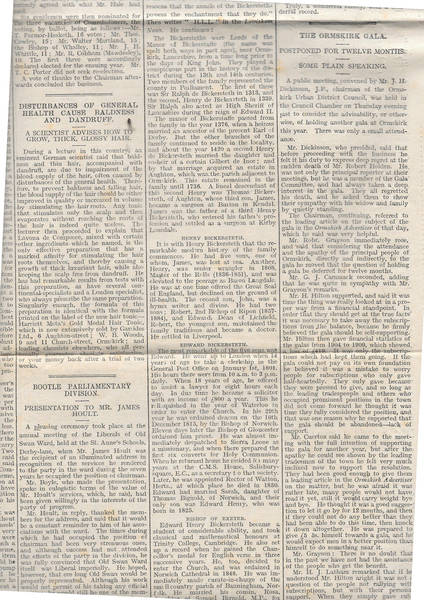
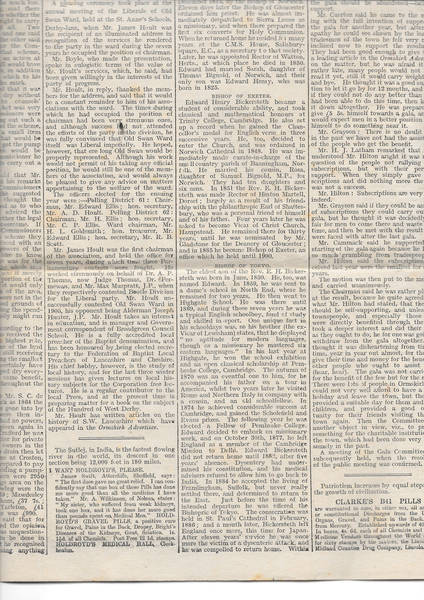
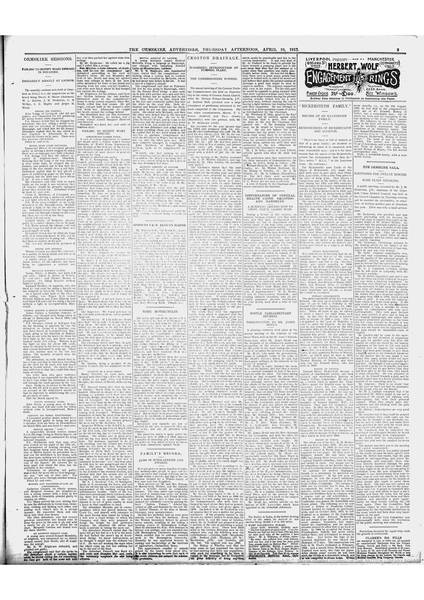
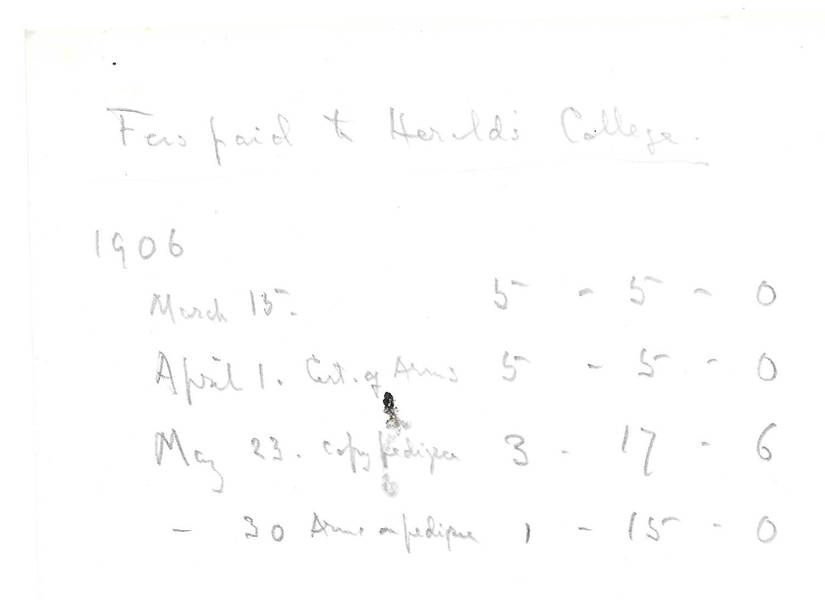
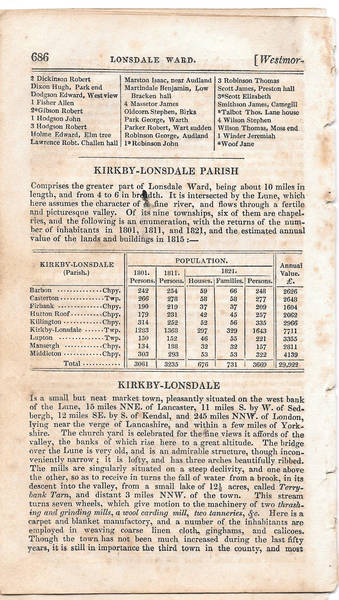
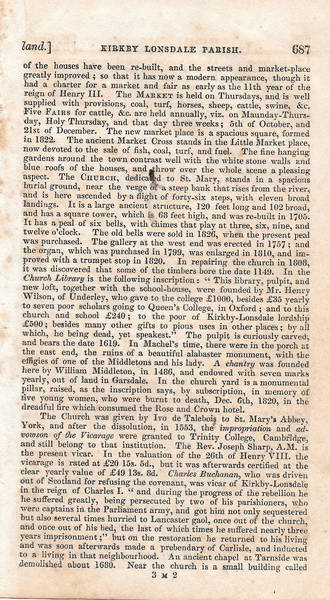
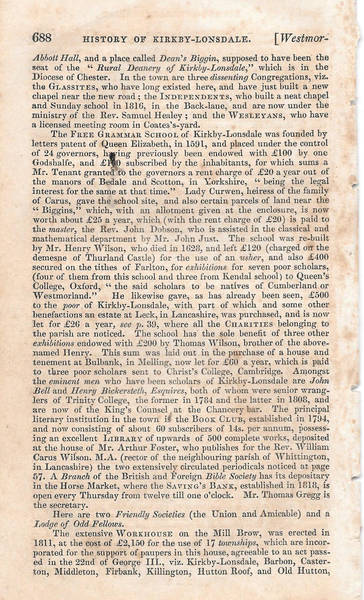
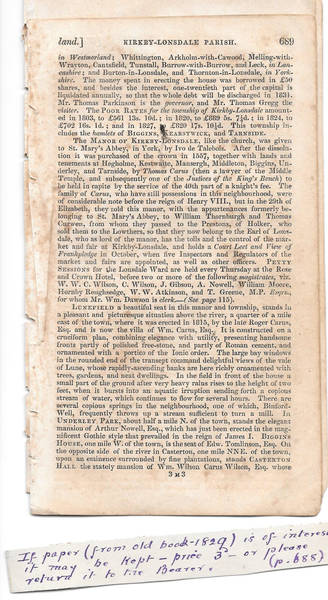
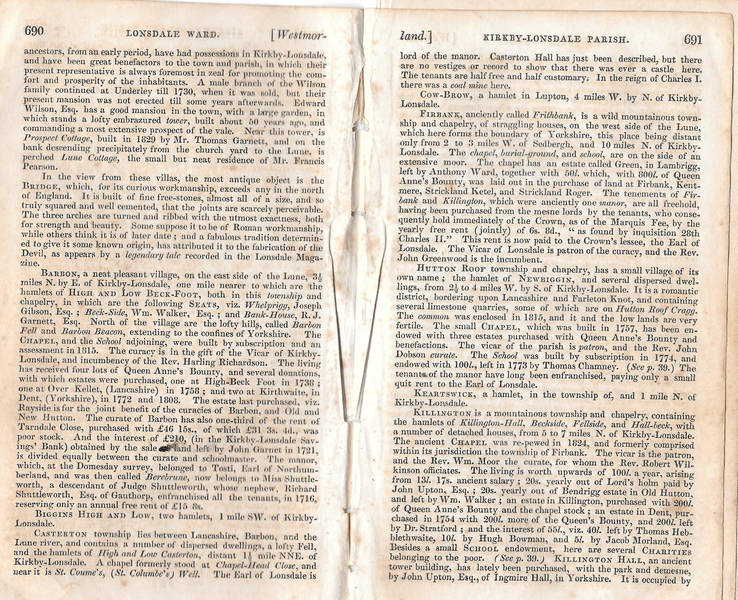
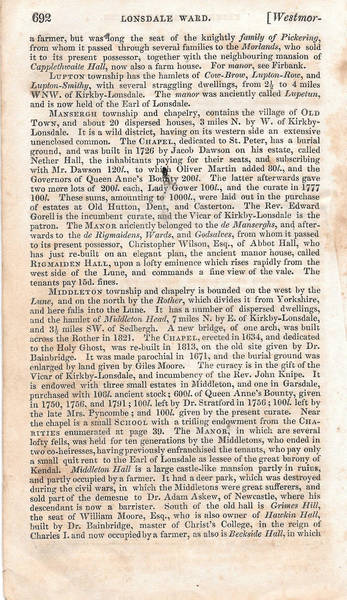
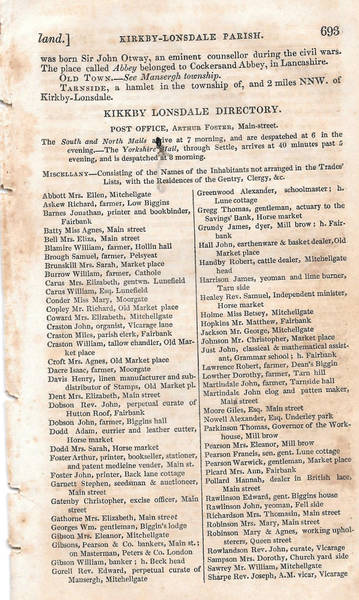
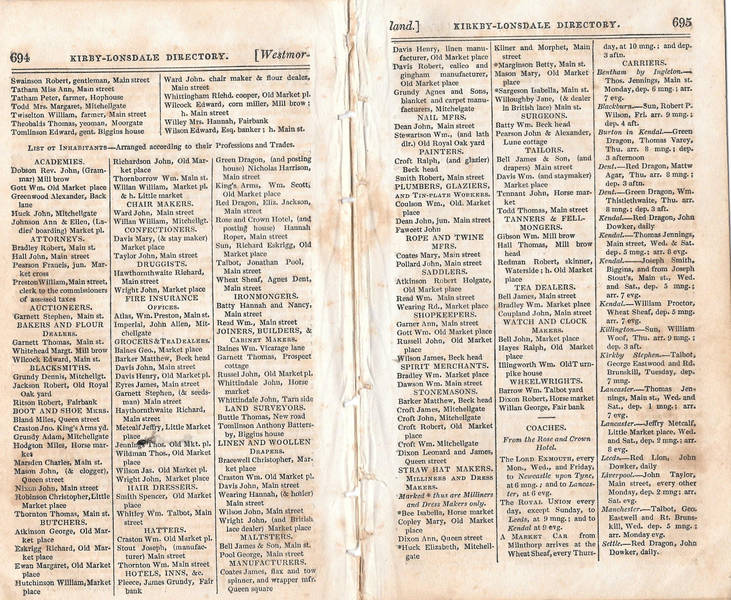
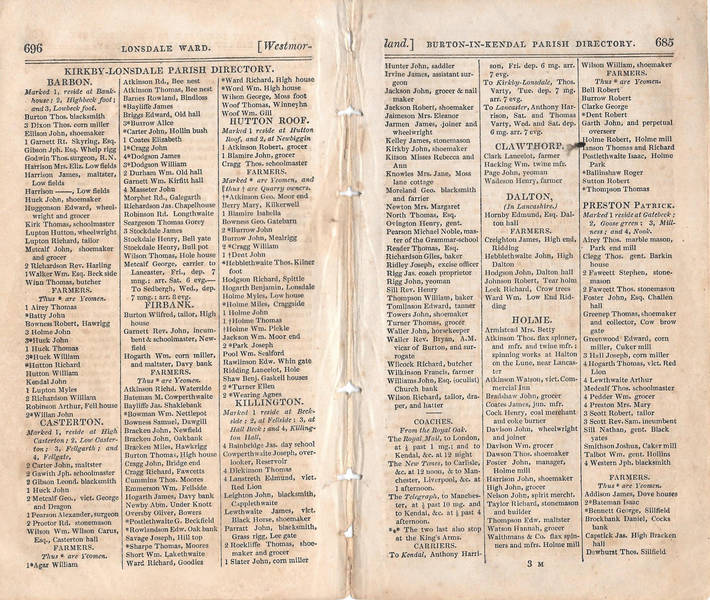
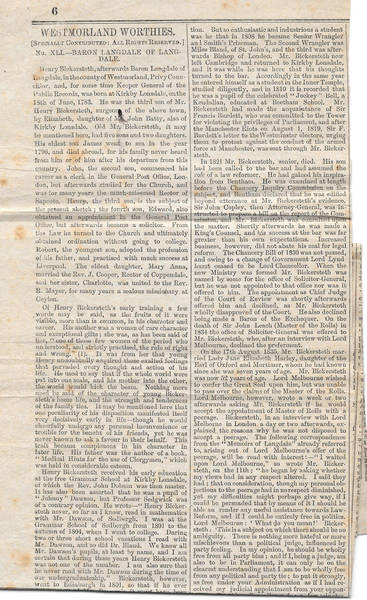
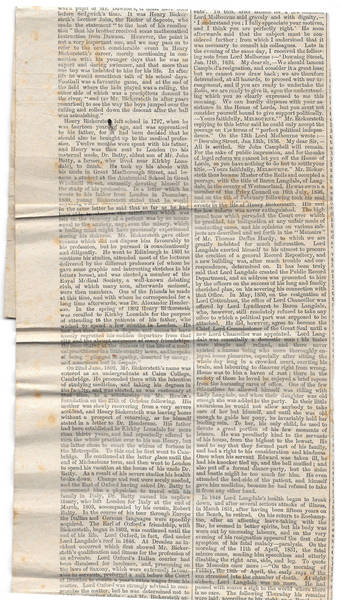
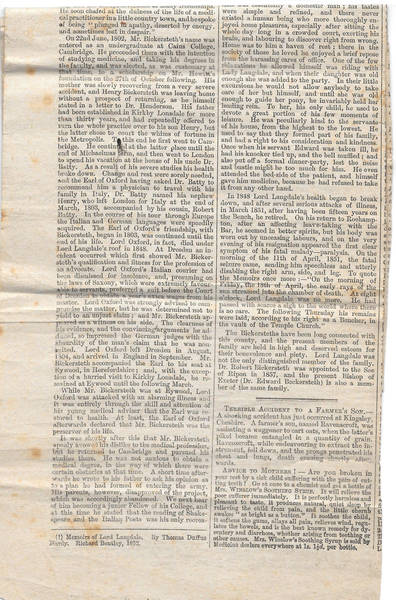
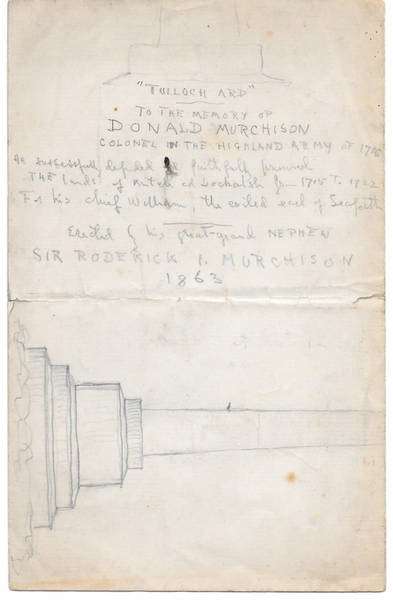
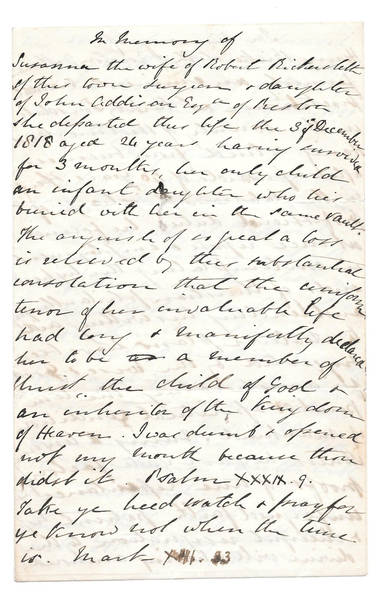
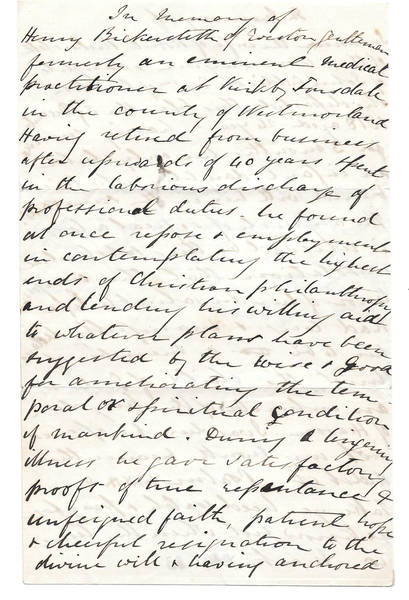
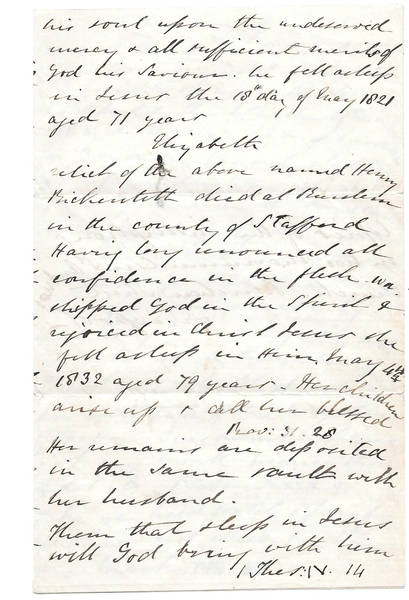
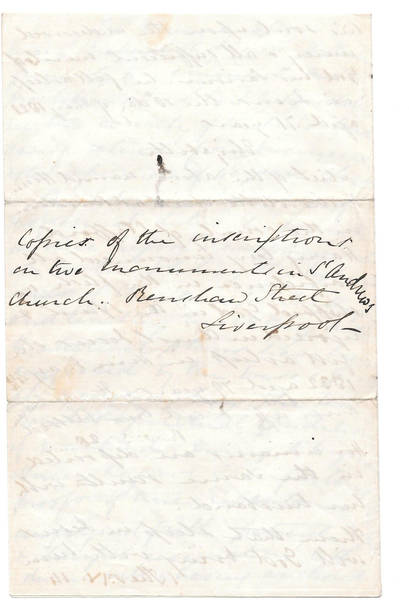
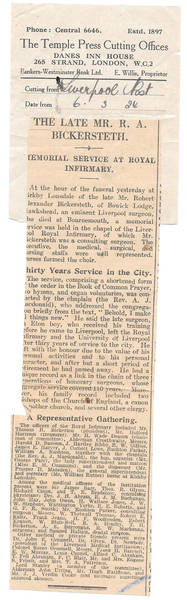
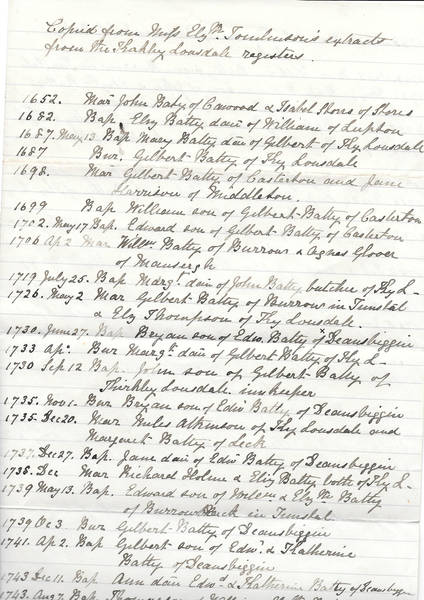
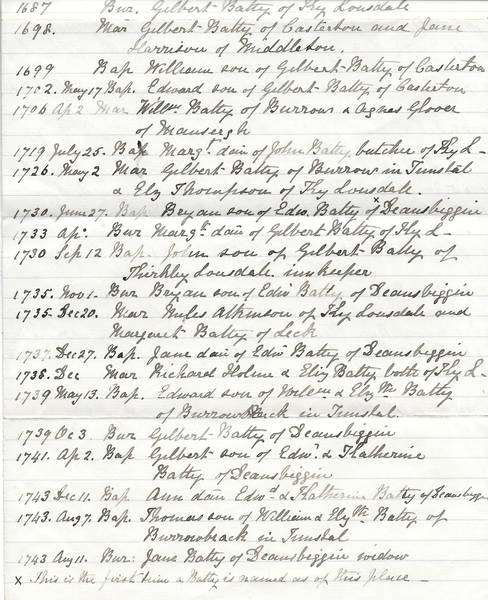
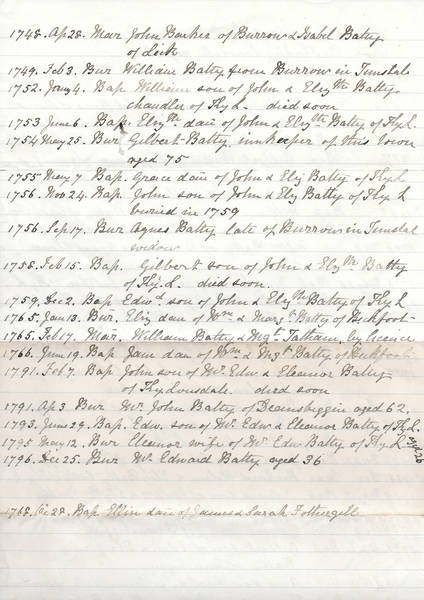
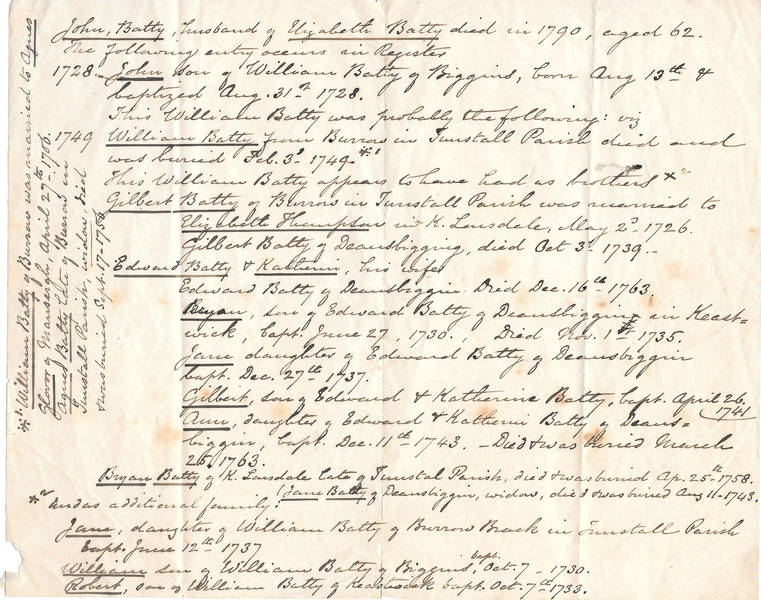
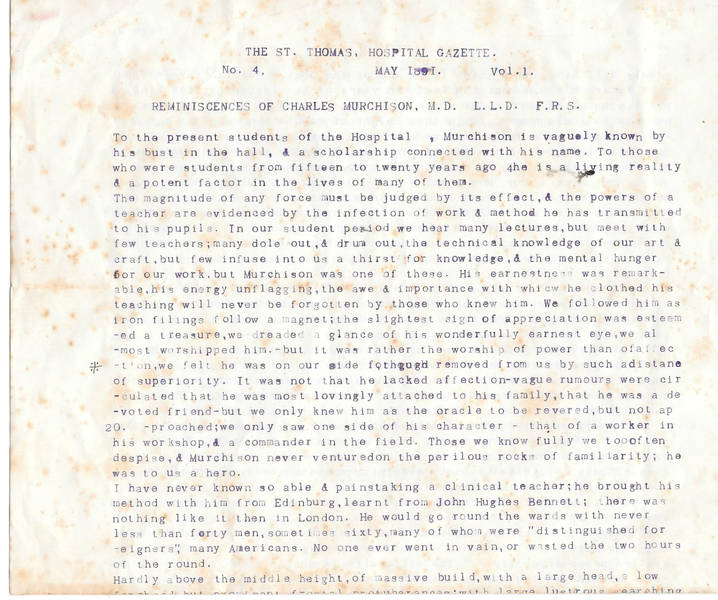
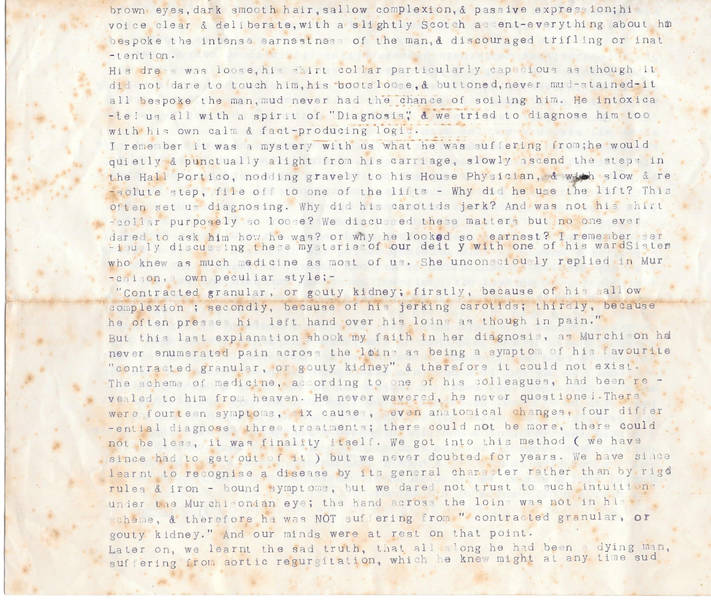
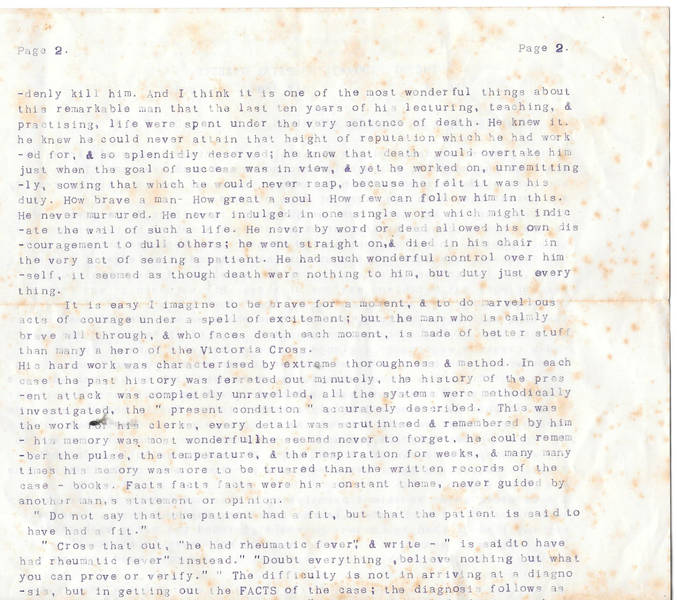
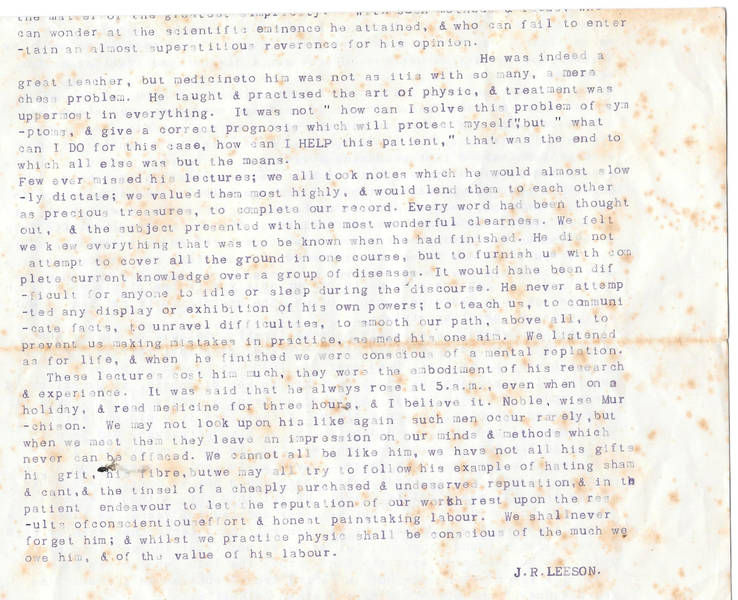
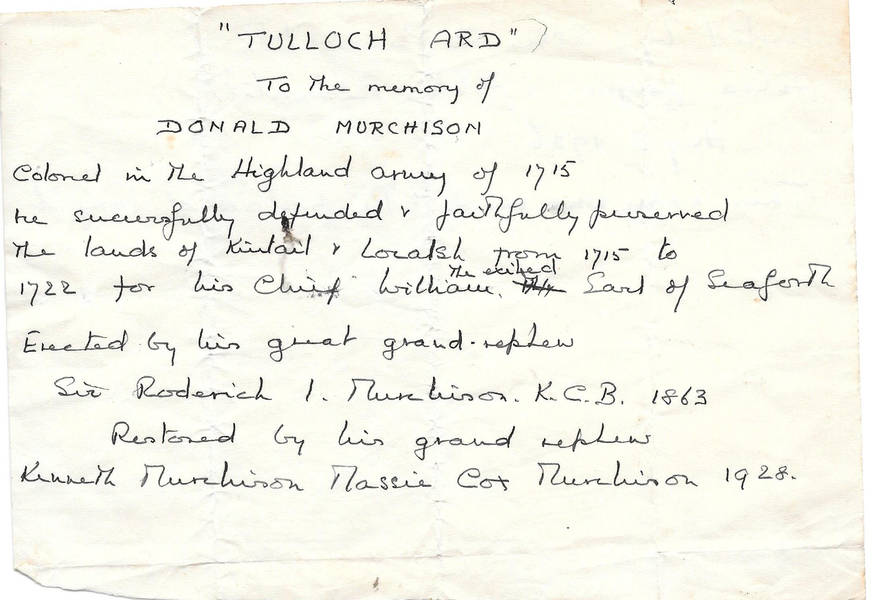
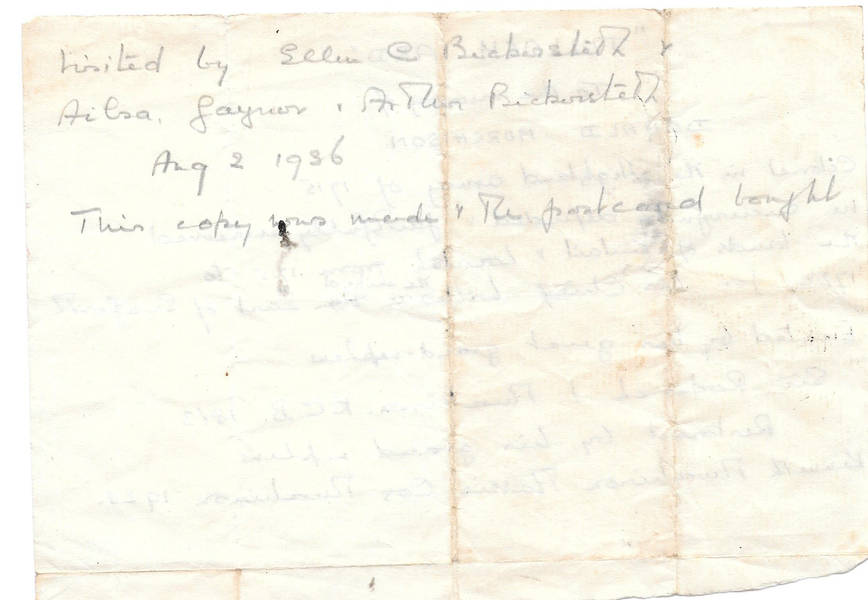
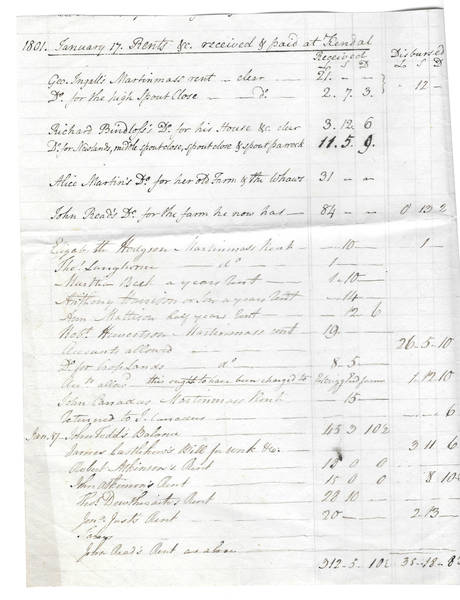
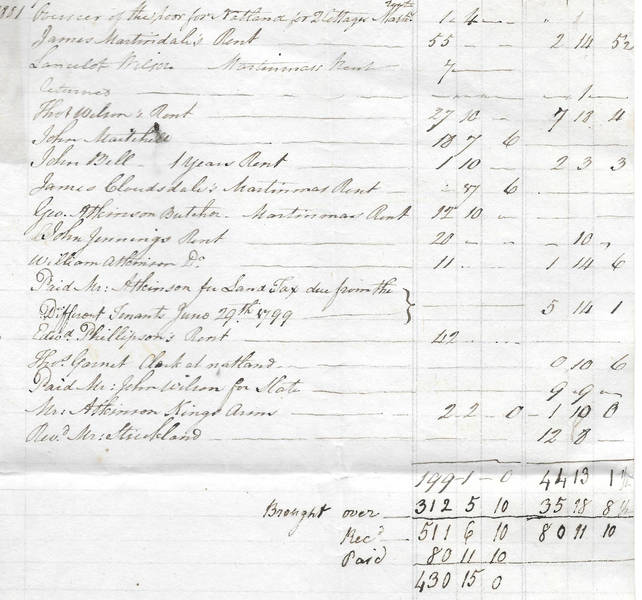
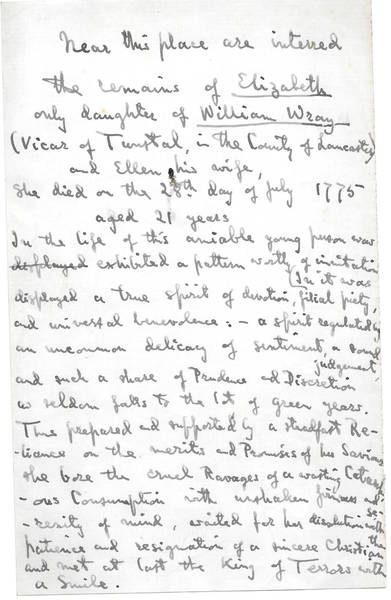
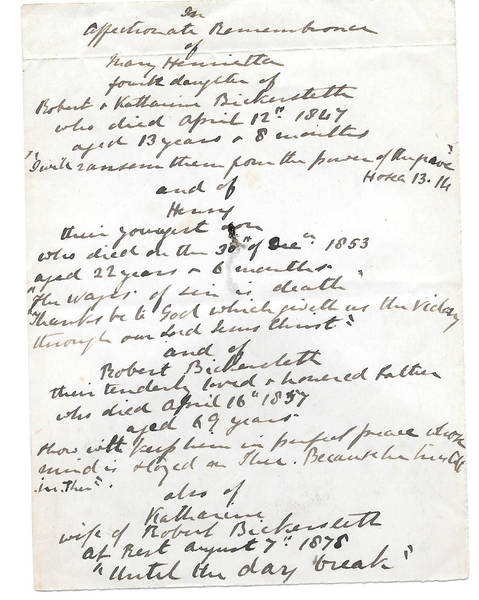
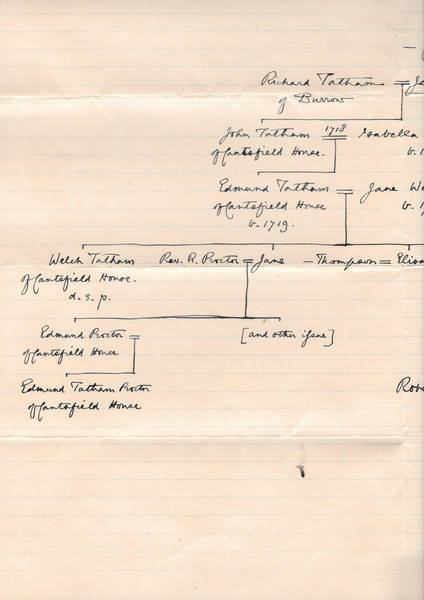
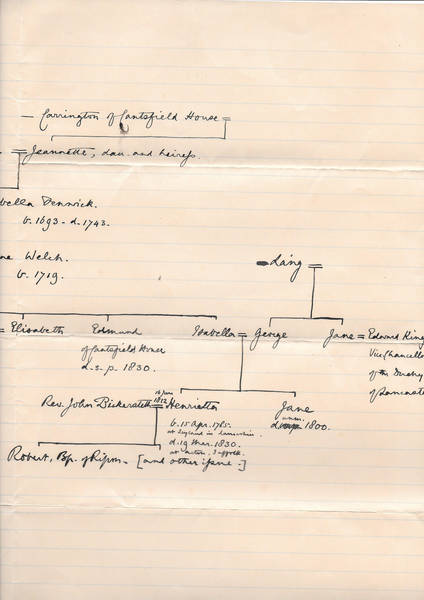
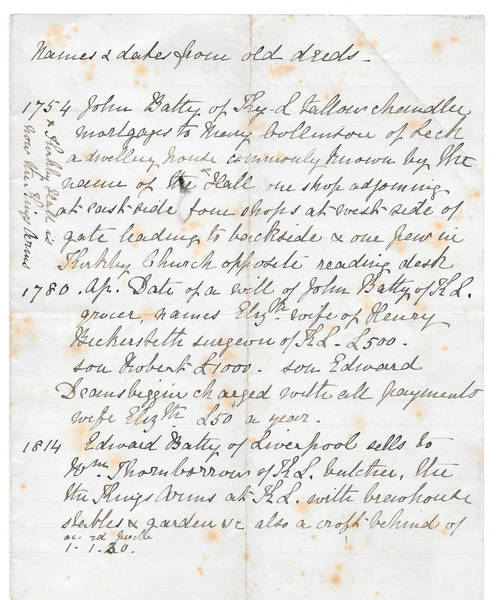
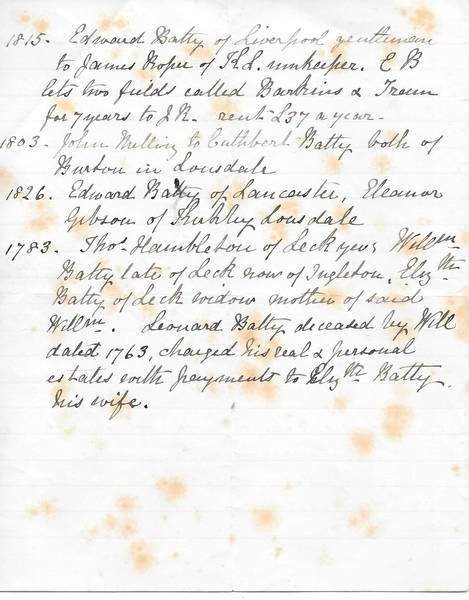
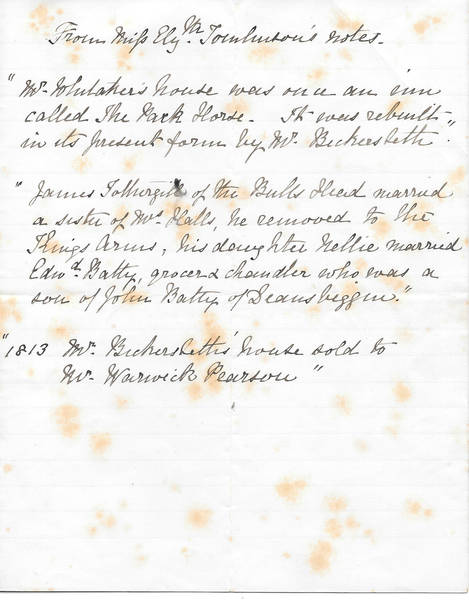
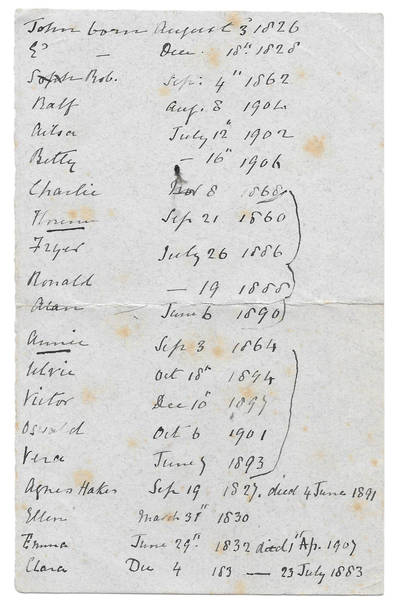
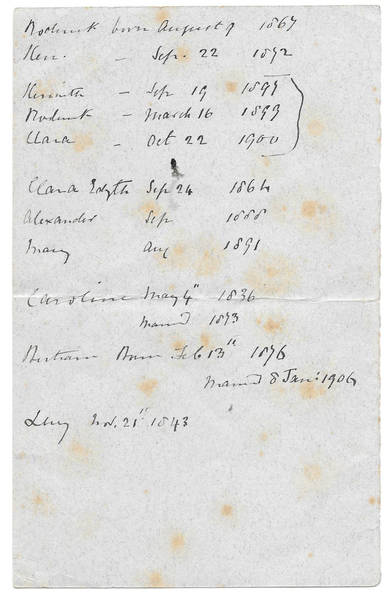
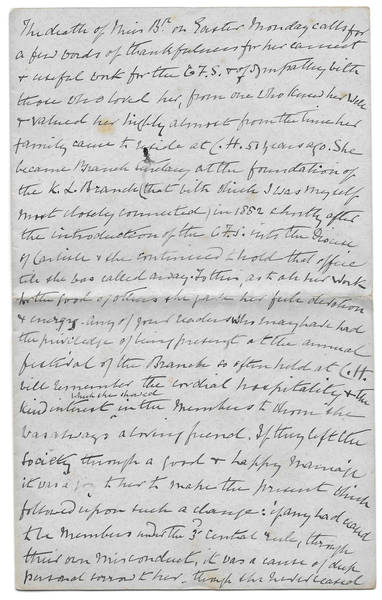
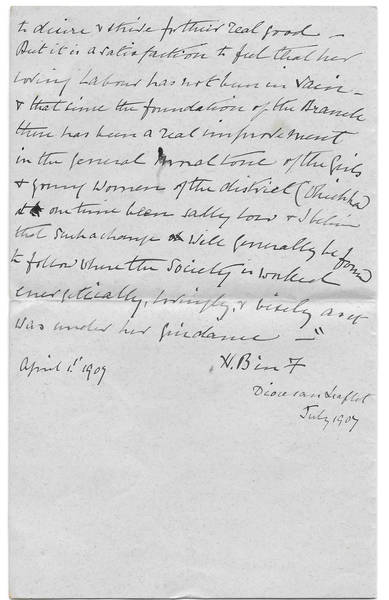
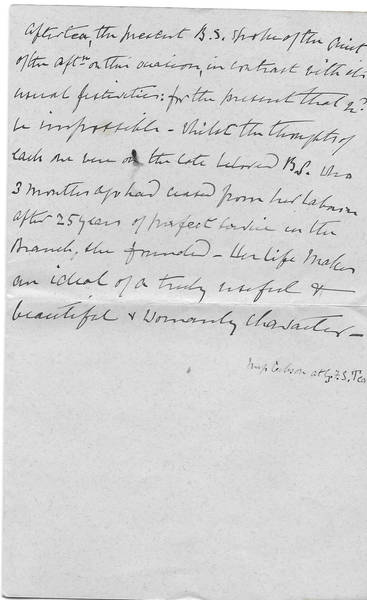
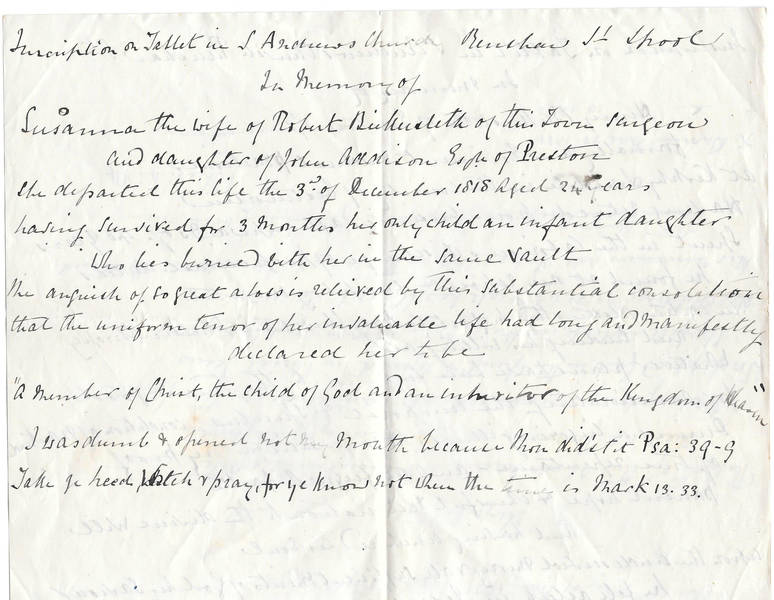
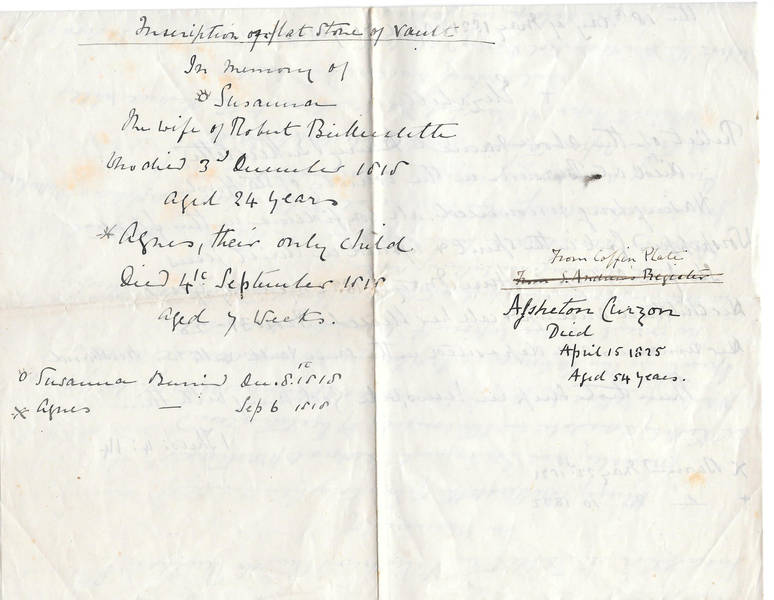
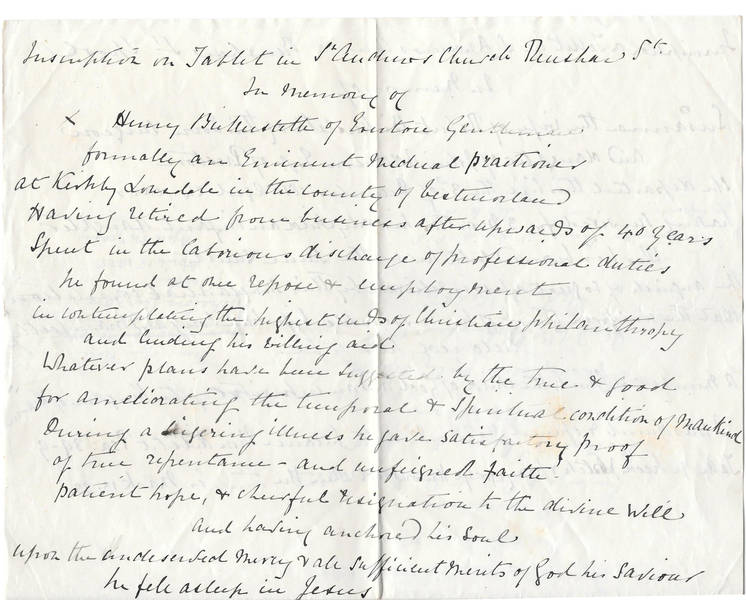
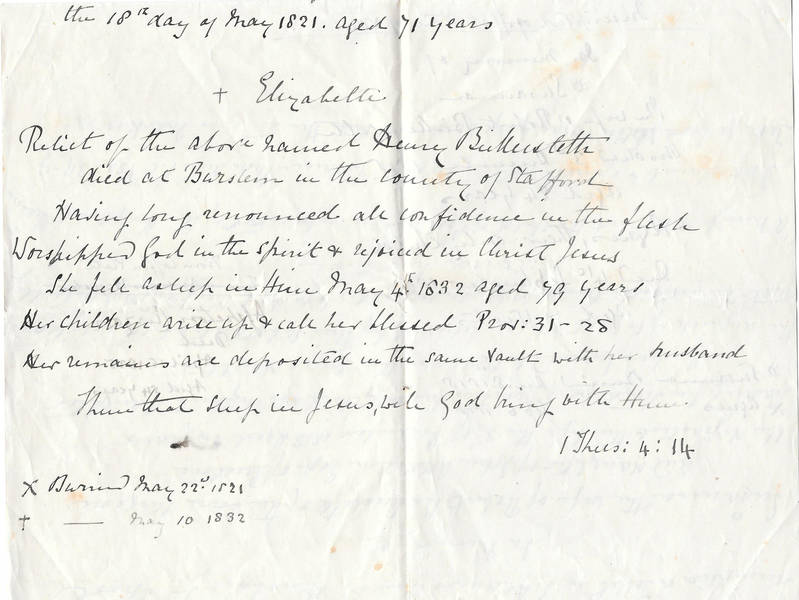
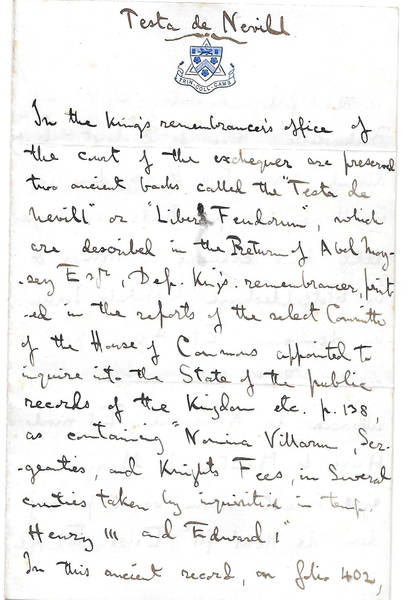
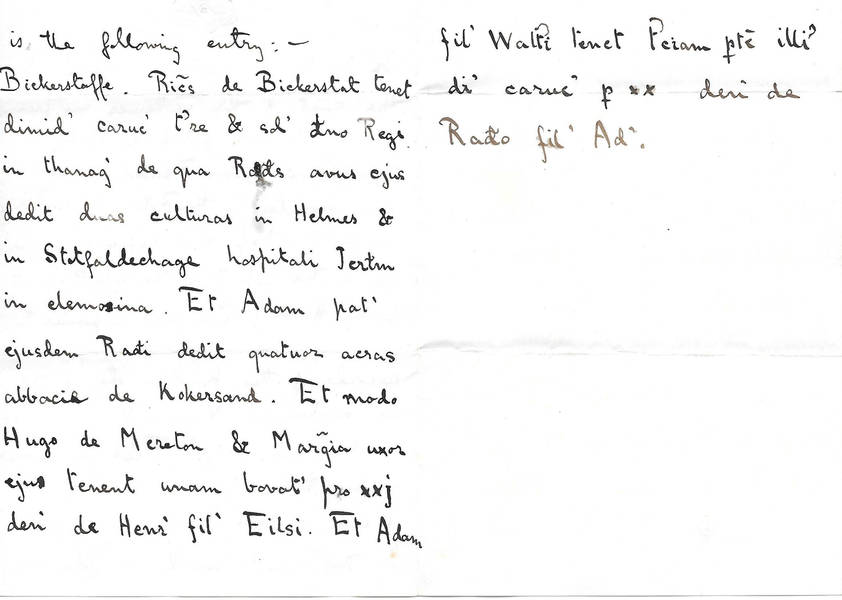
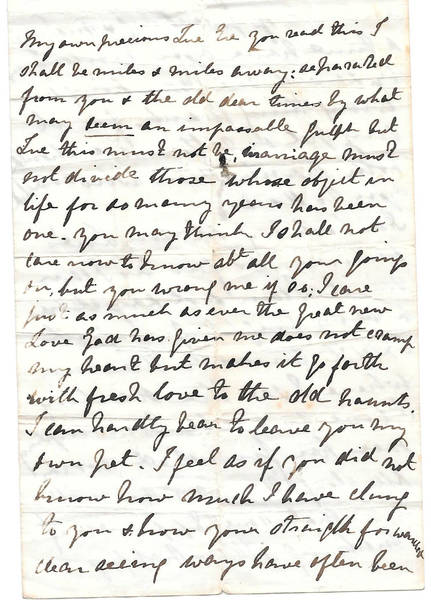
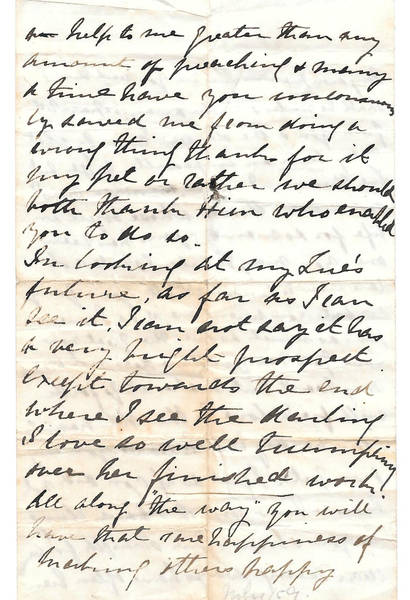
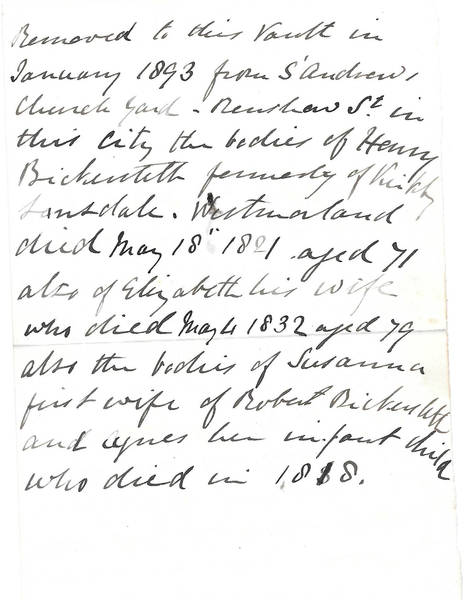
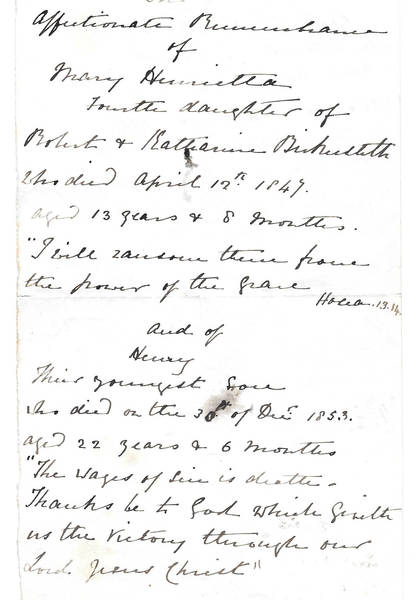
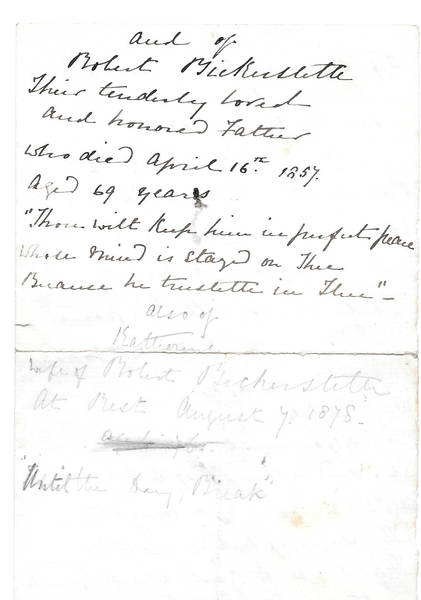
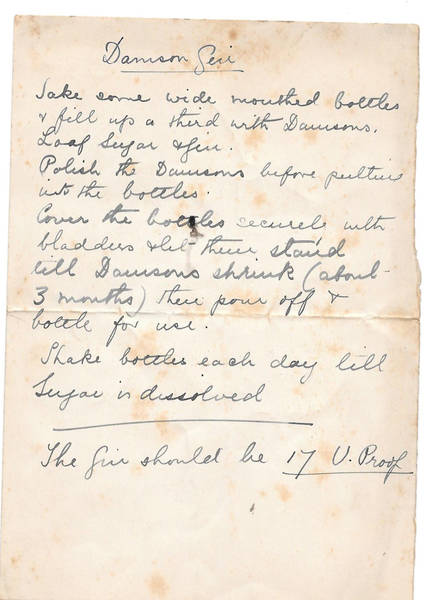
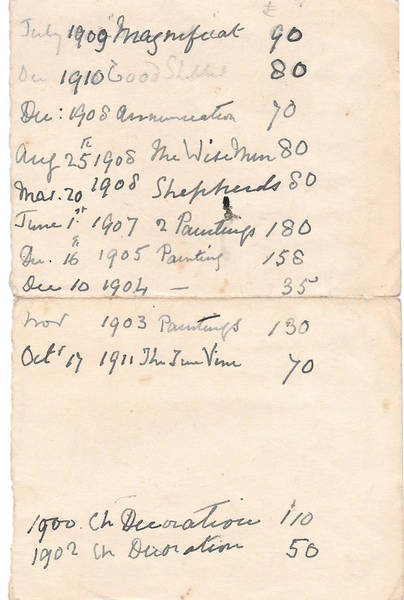
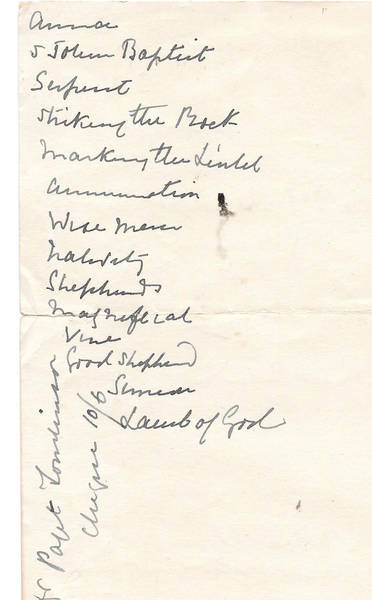
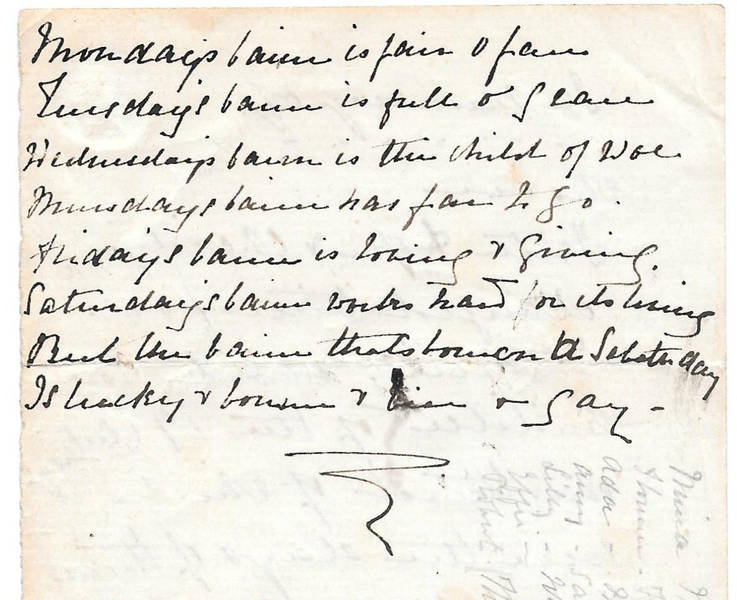
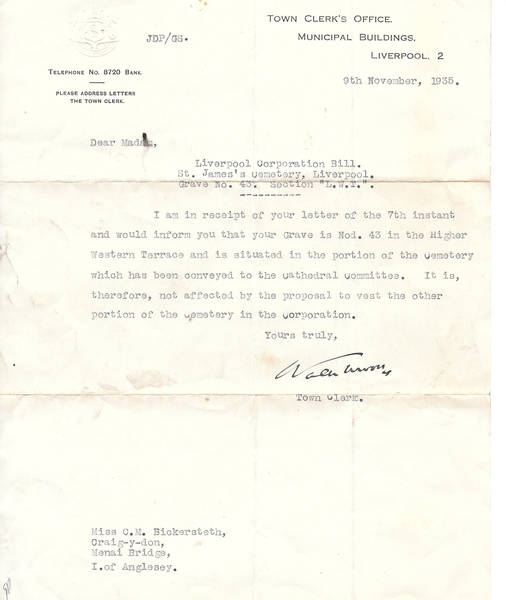
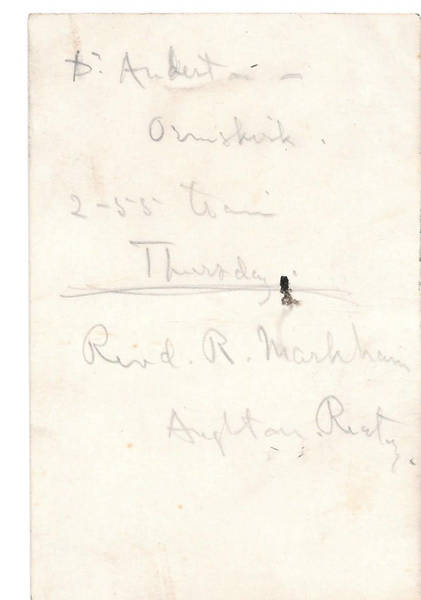
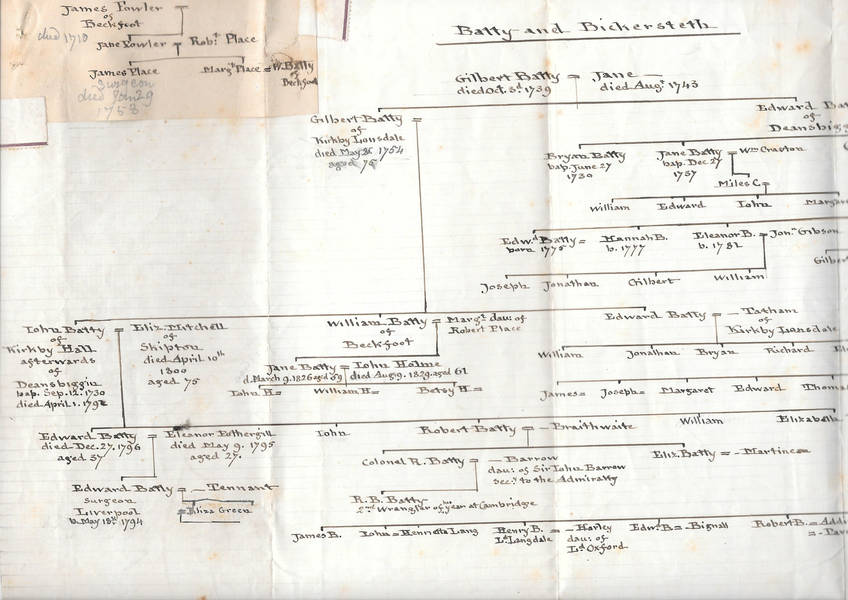
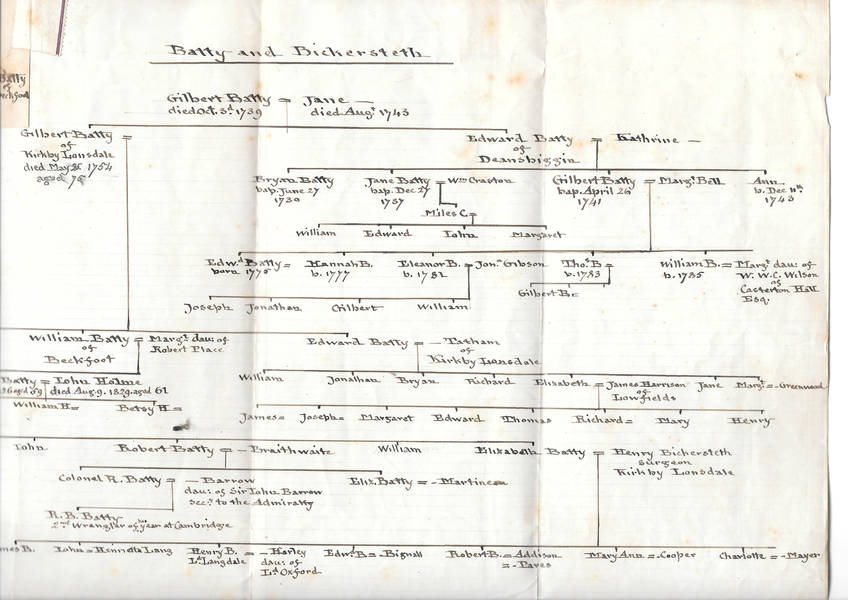
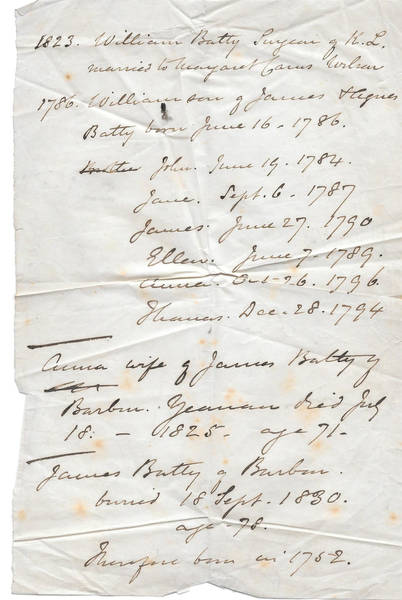
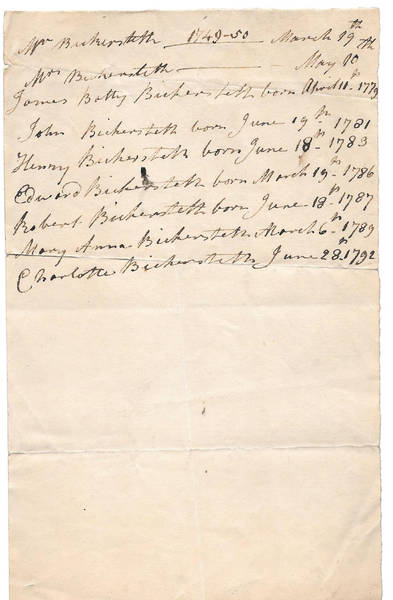
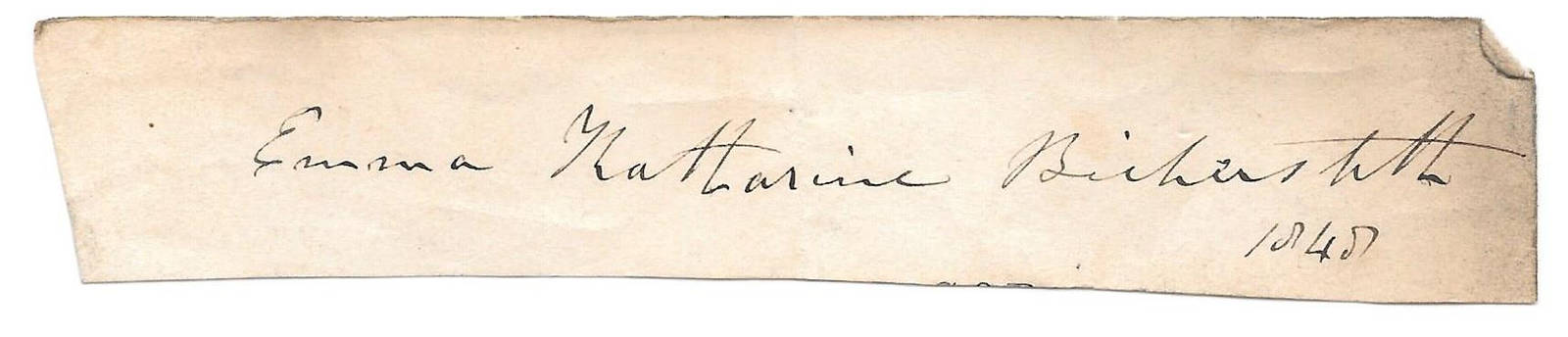
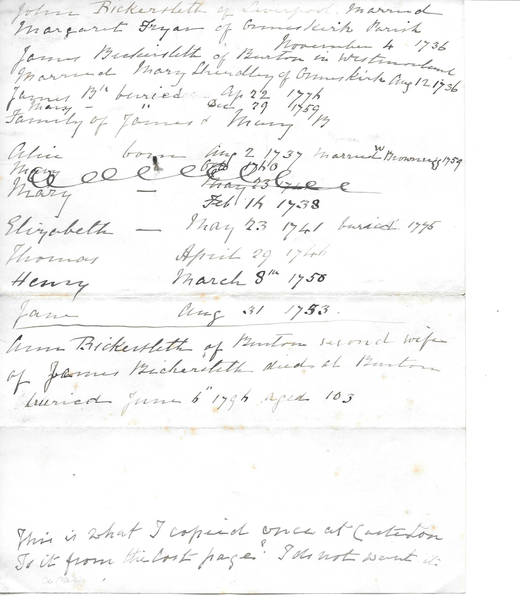
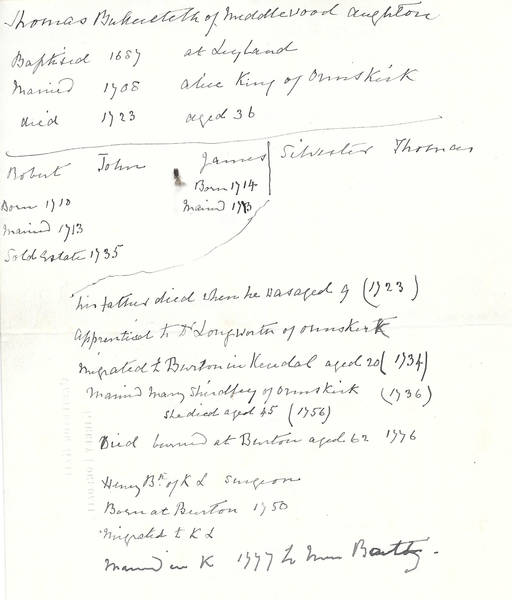
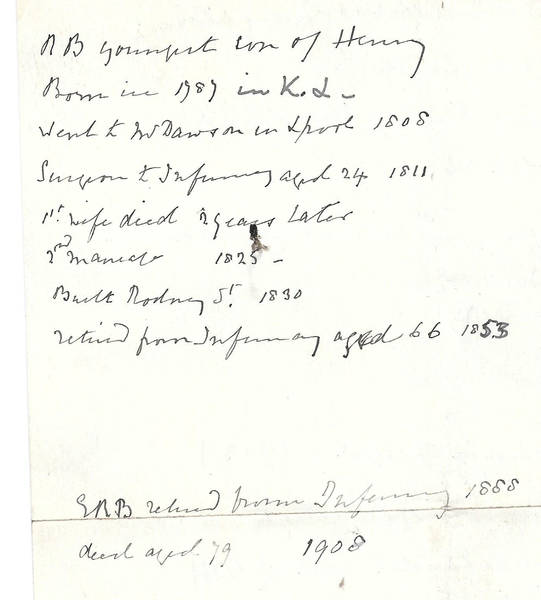
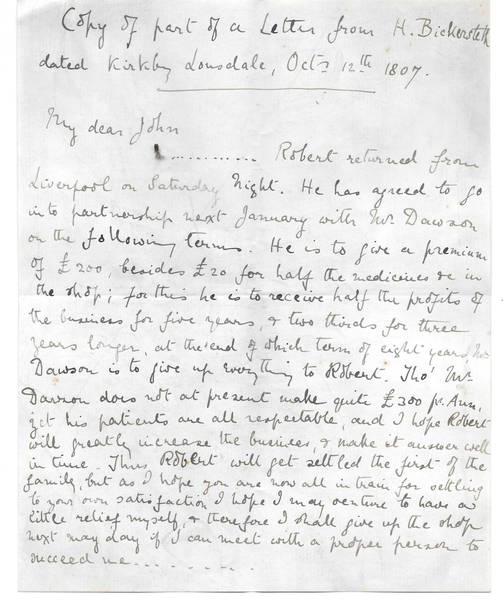
The documents include copied inscriptions, register extracts, obituary notes, and related material used to support collateral family links.
Loose Papers and Miscellaneous Notes
Transcription here
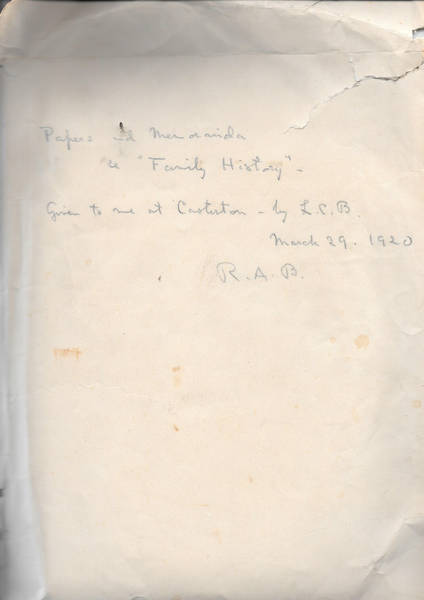
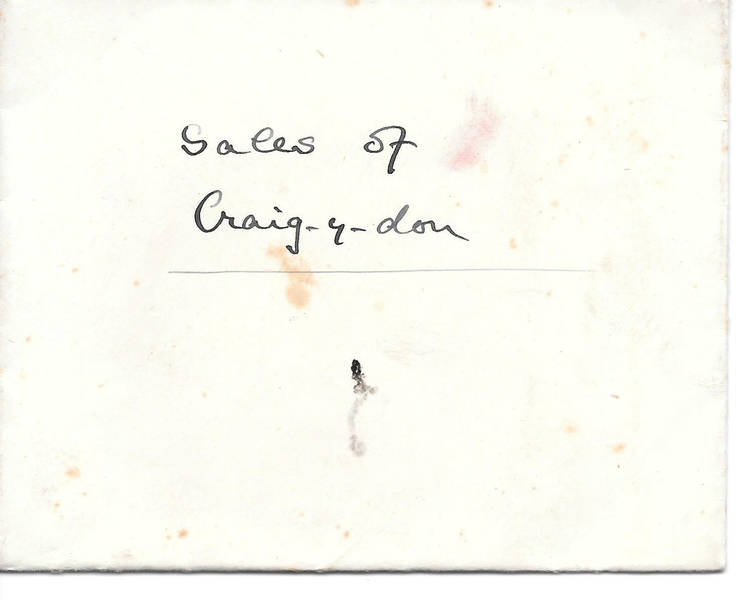
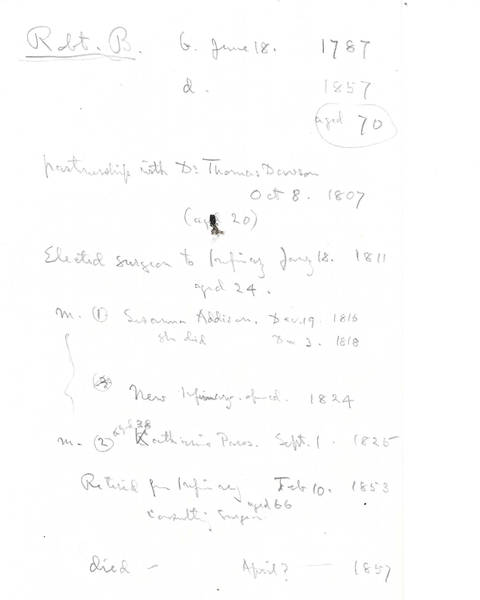
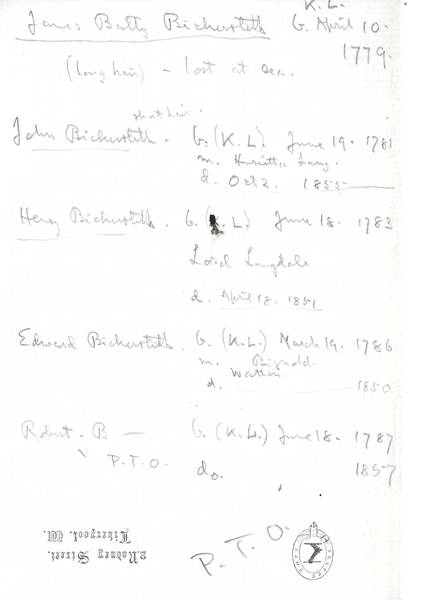
A number of individual papers survive outside the notebooks and correspondence files. These include short memoranda, copied inscriptions, family notes, and genealogical fragments.
Although small individually, these pieces often preserve details not recorded elsewhere in the archive.
Large Working Pedigree Sheet
Transcription here
One of the most important items in the archive is a large working pedigree sheet. This document gathers together family Bible entries, parish register extracts, burial information, and other genealogical notes.
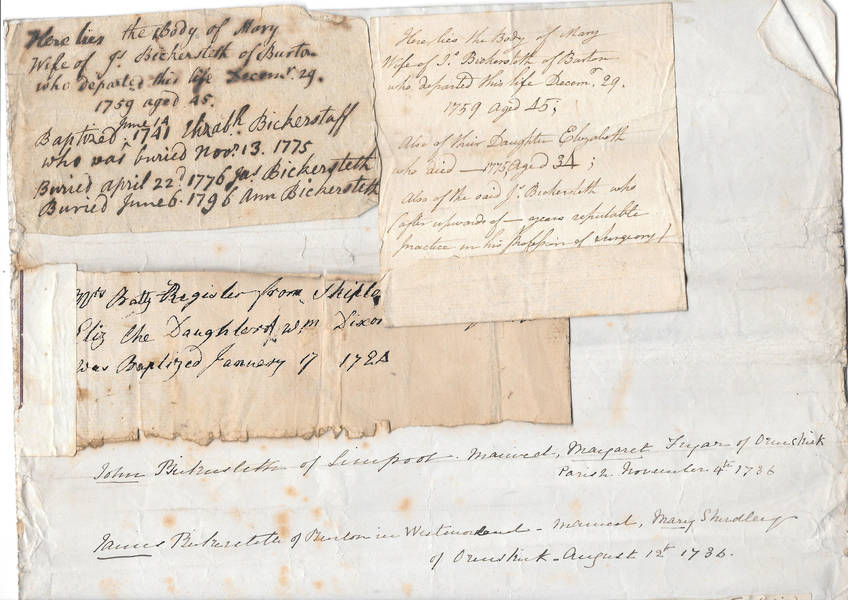
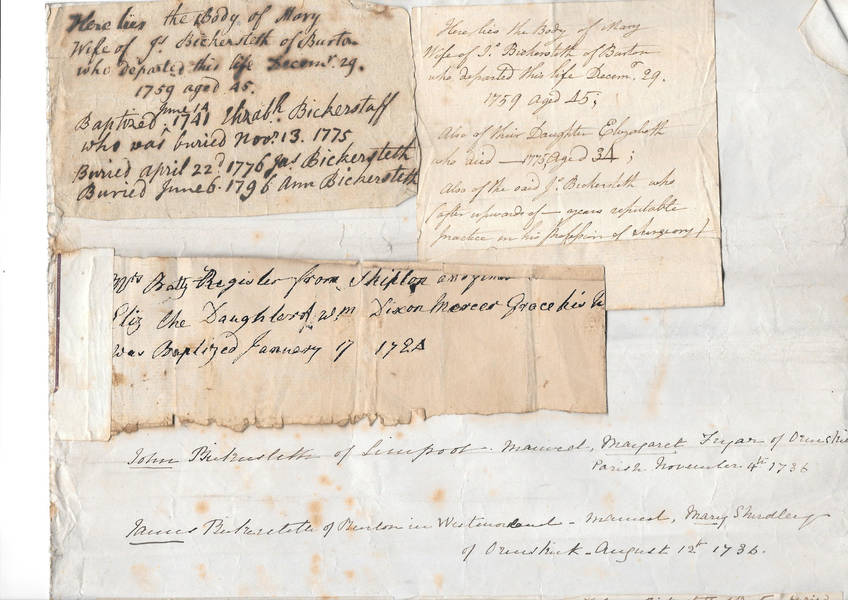
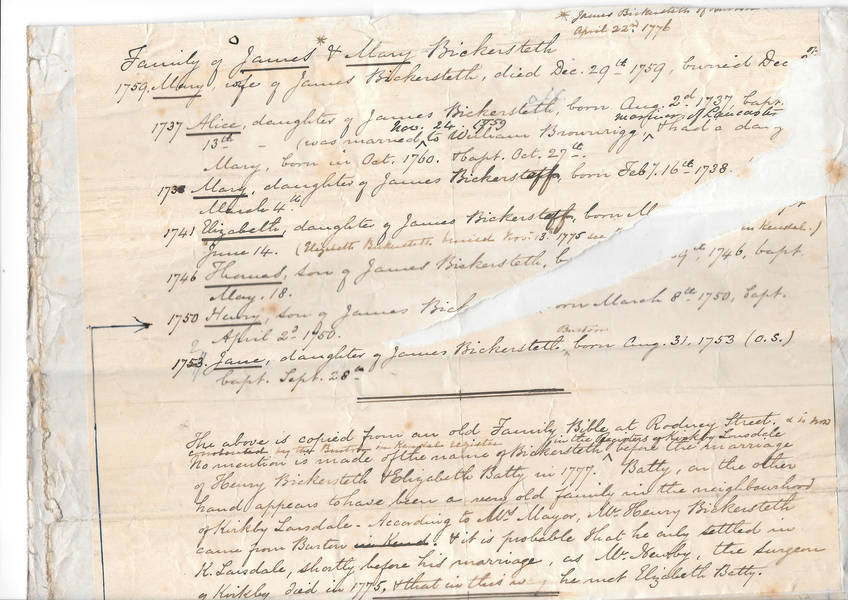
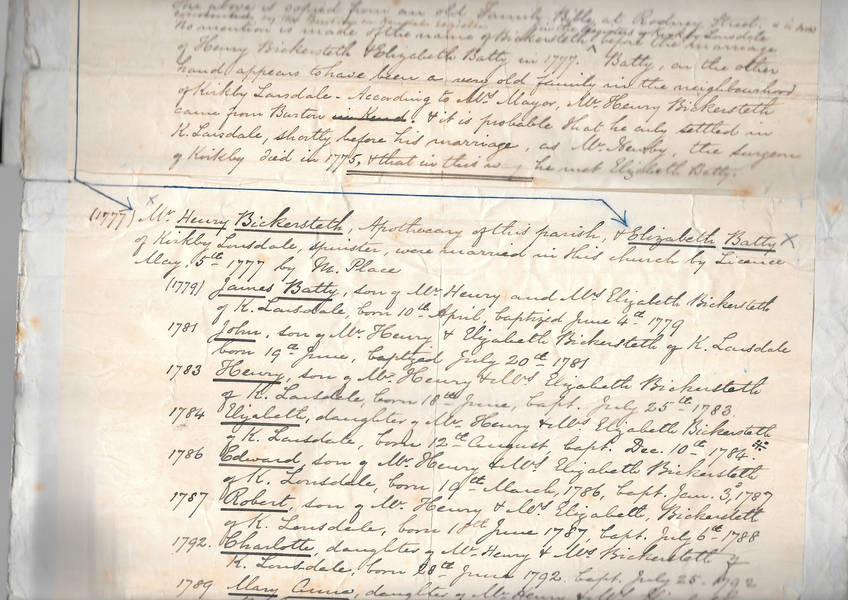
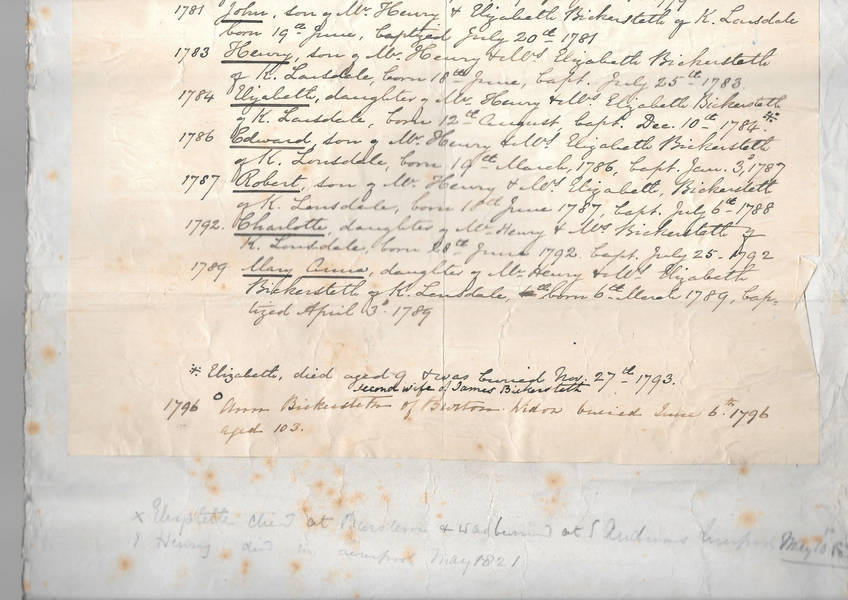
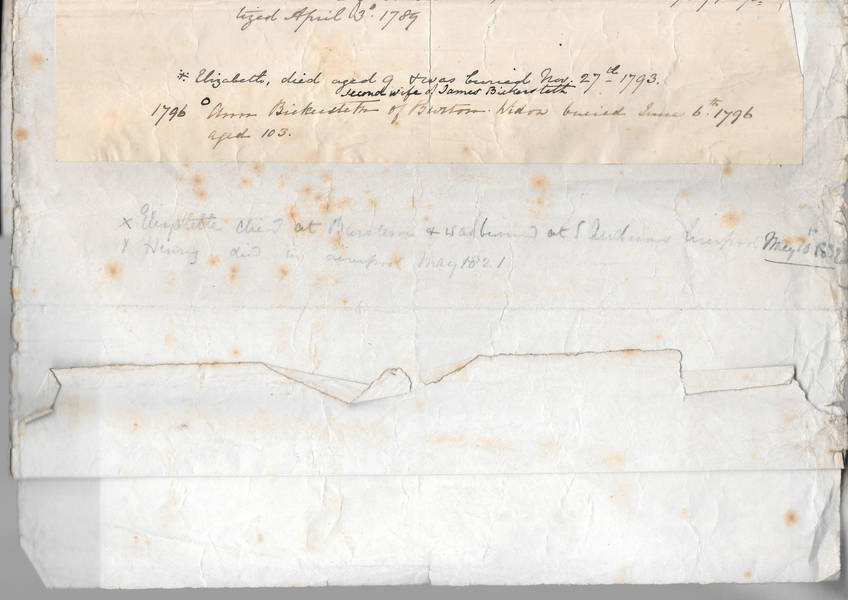
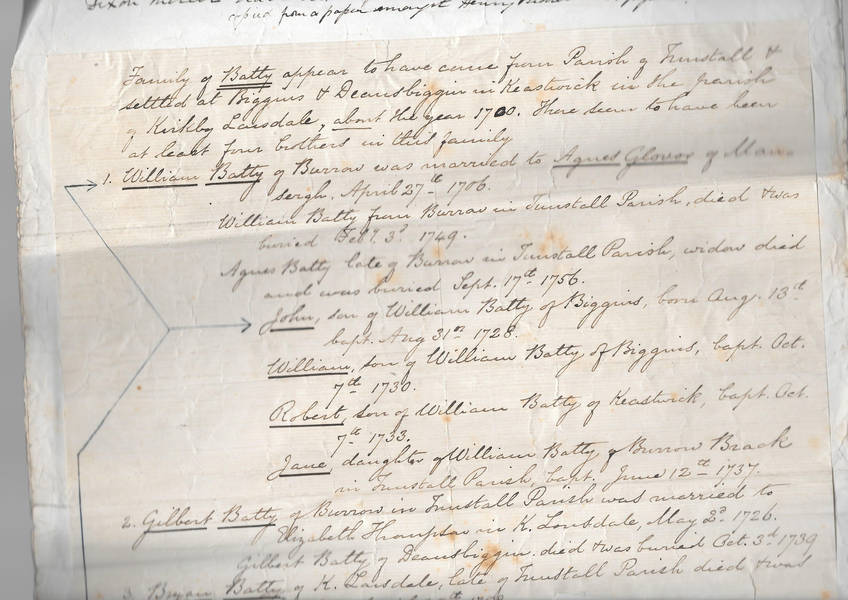
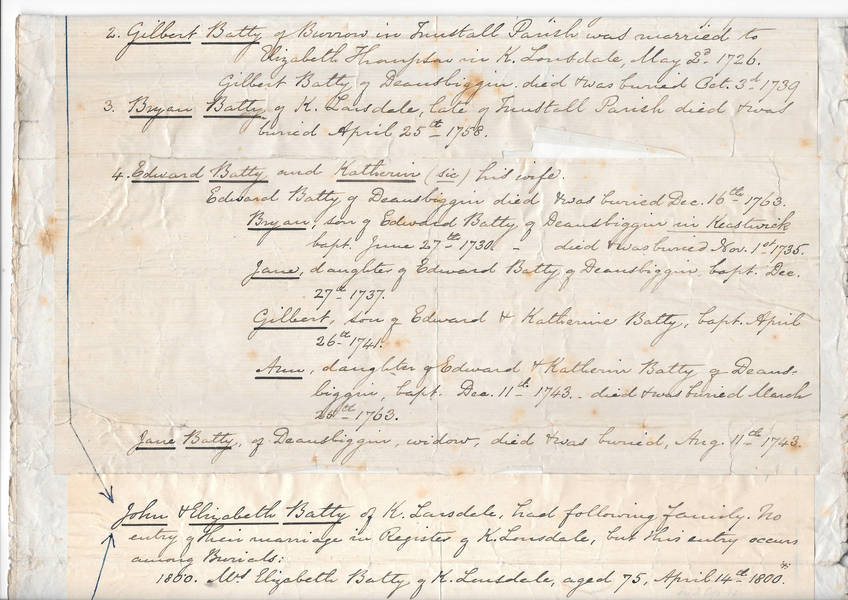
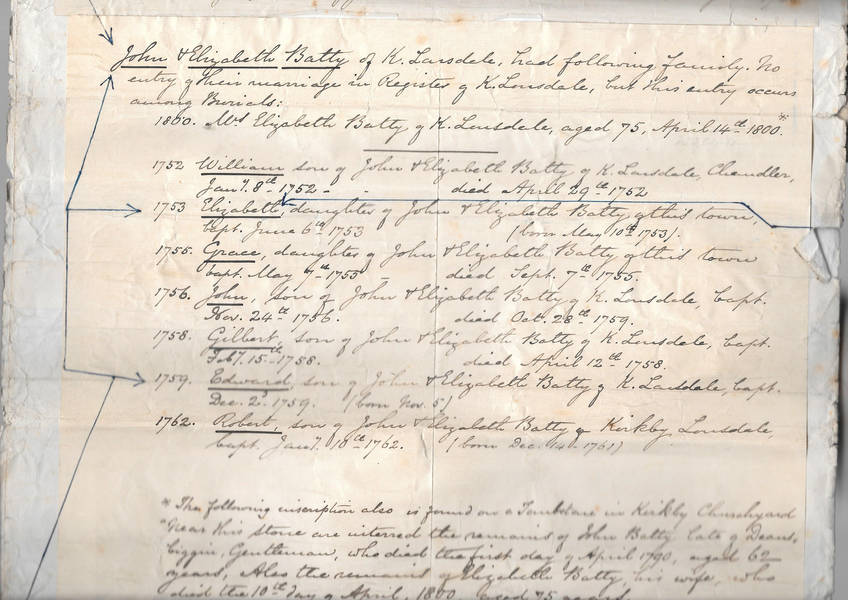
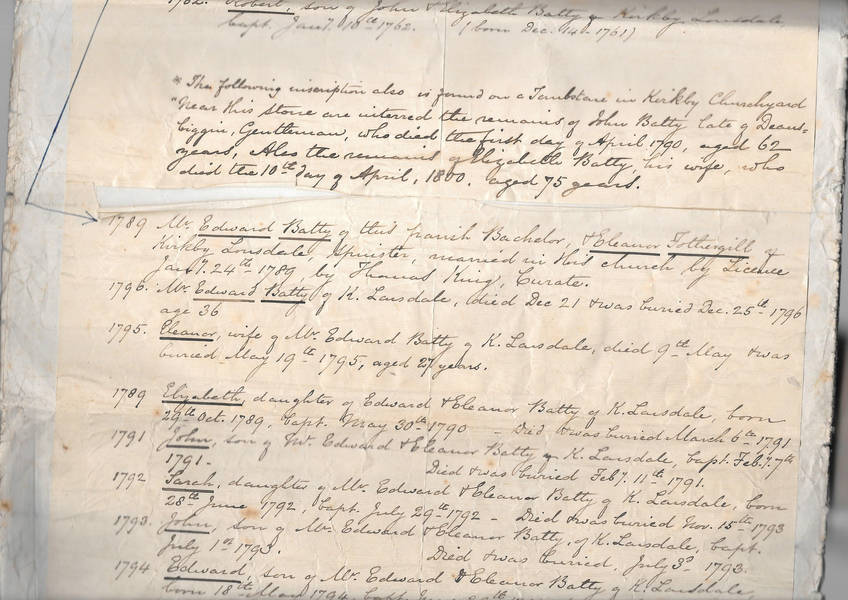
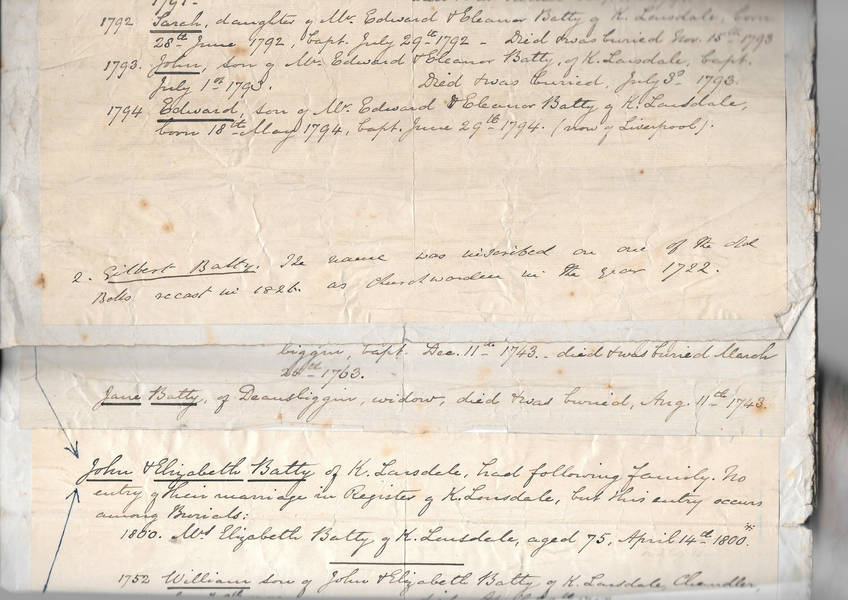
The sheet appears to represent an attempt to assemble the entire family lineage in a single working diagram.
Image Albums
The scanned documents are presented below in image groups corresponding to the original folders in the archive.
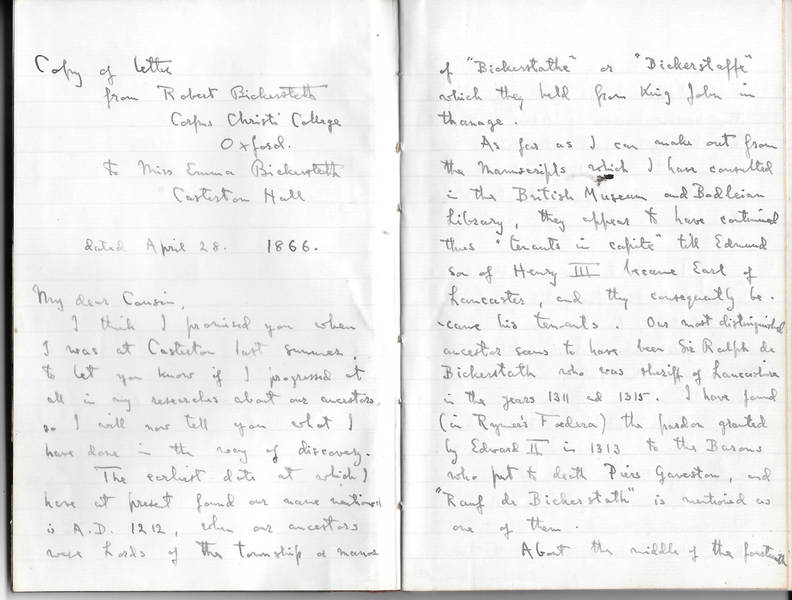
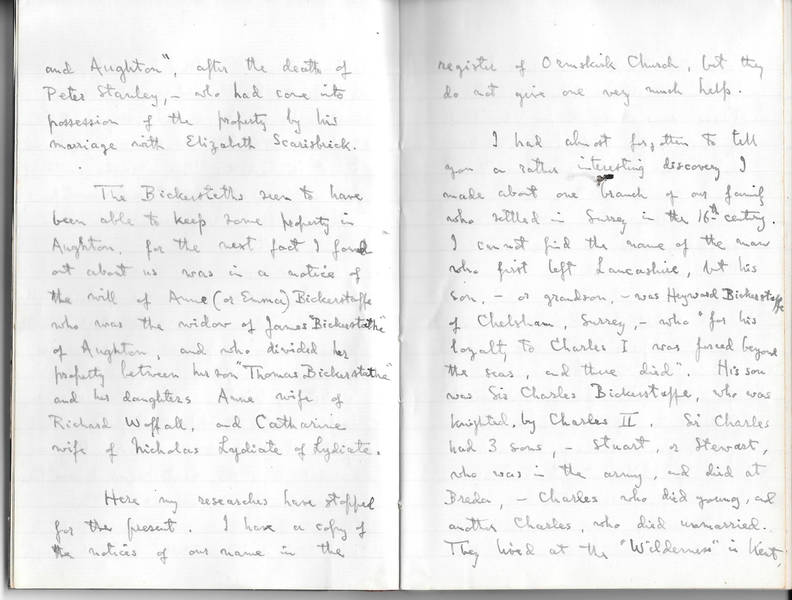
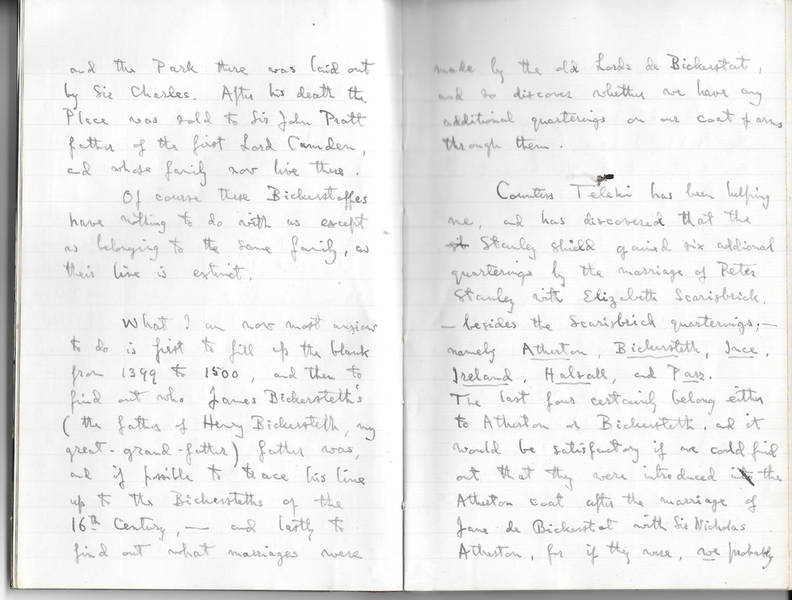
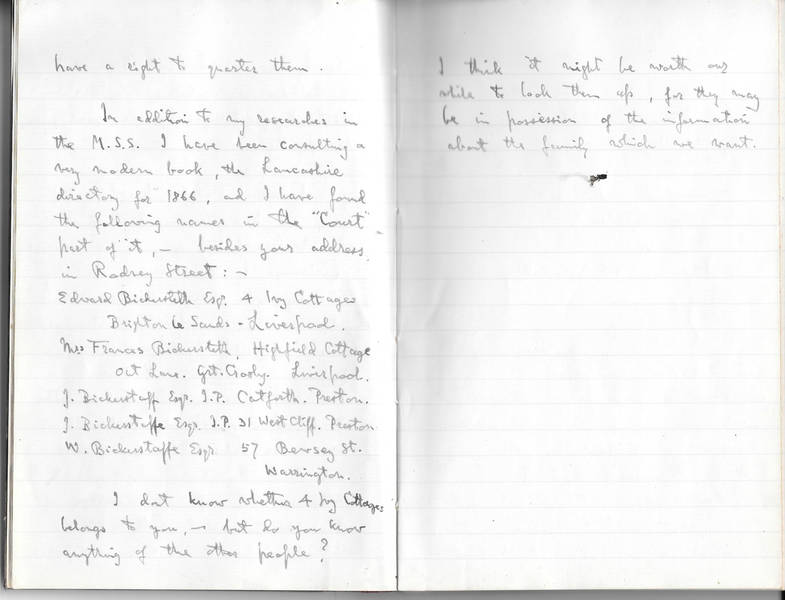
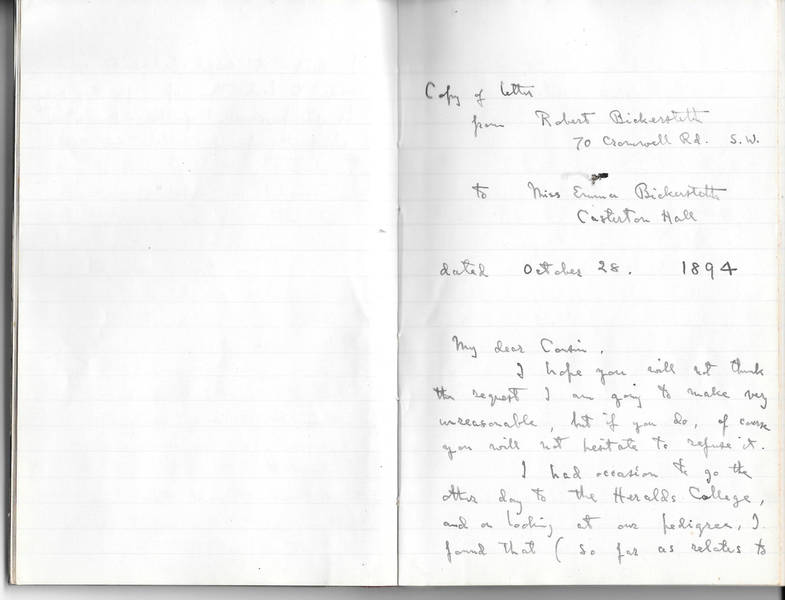
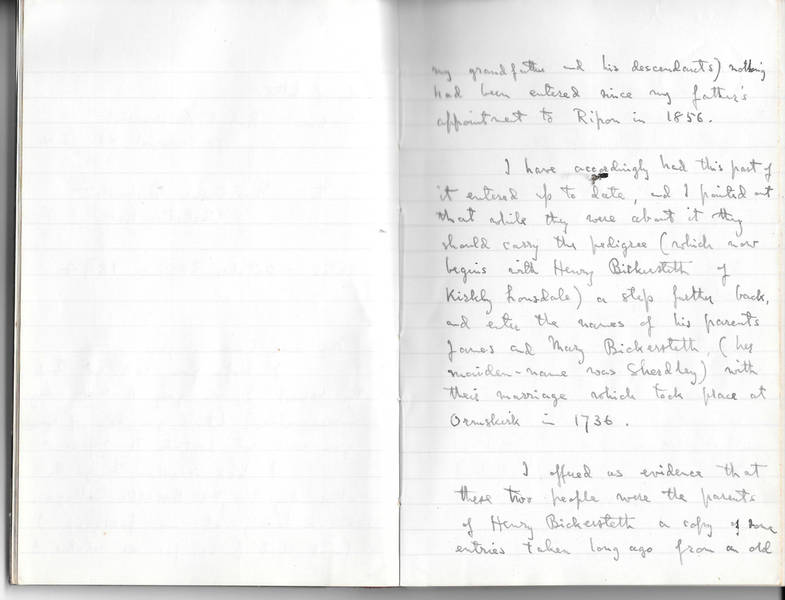
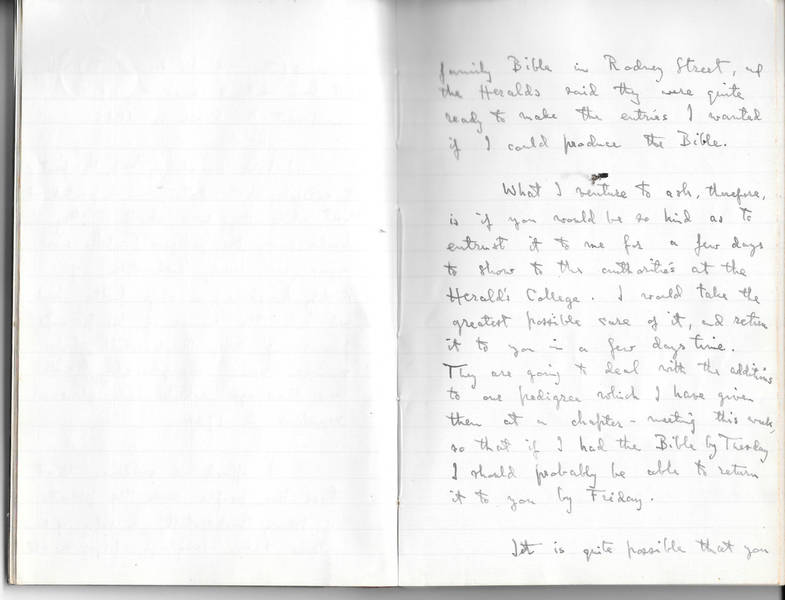
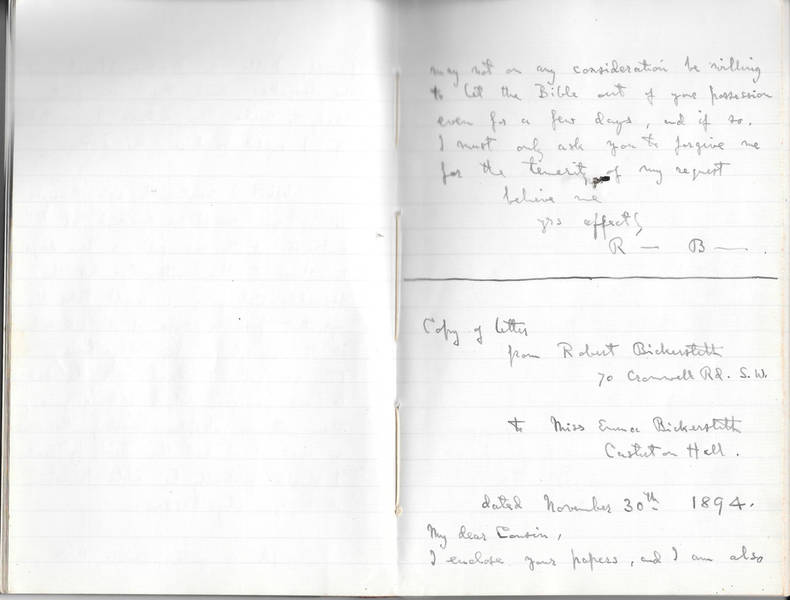
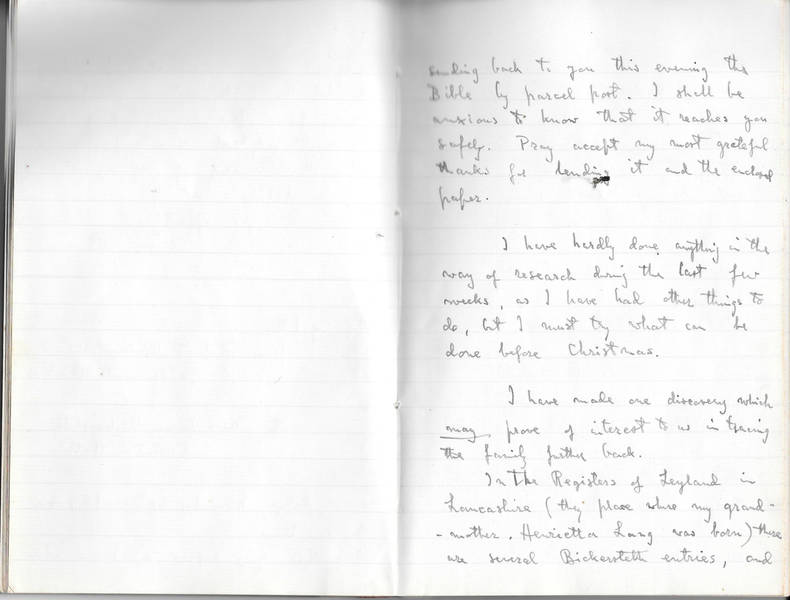
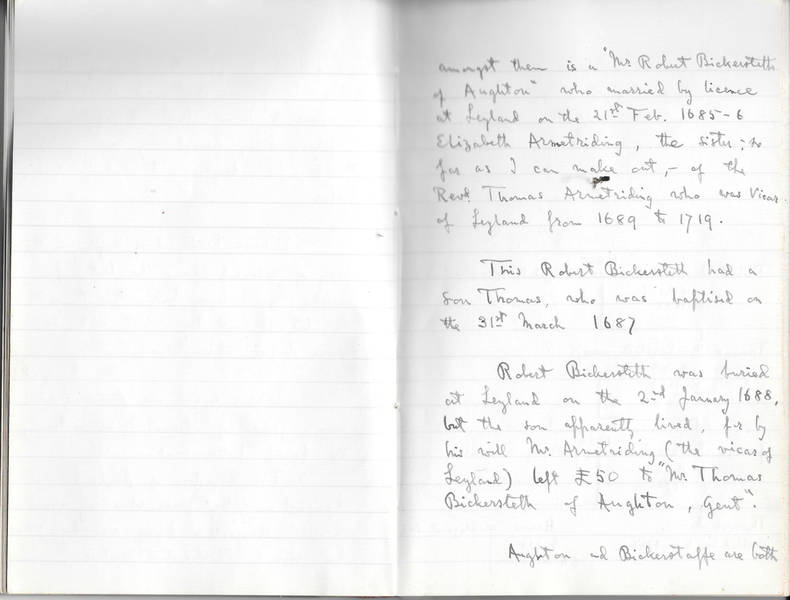
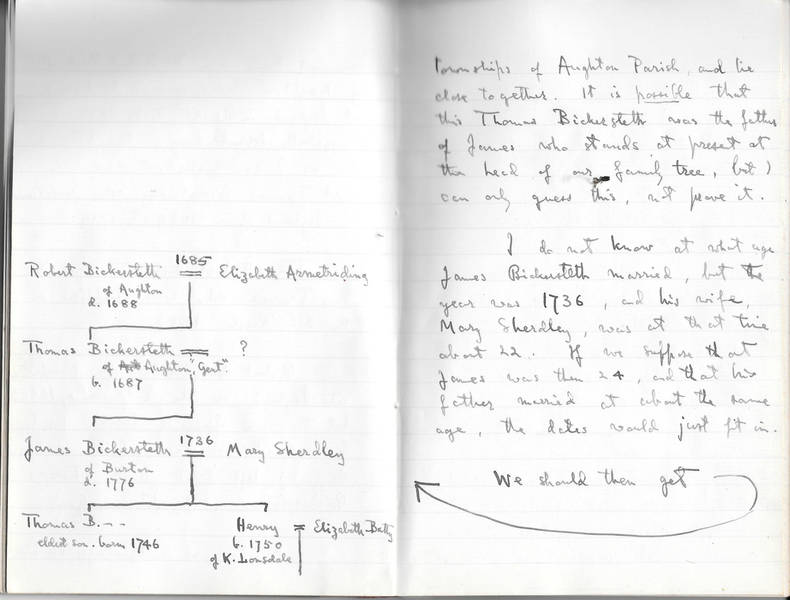
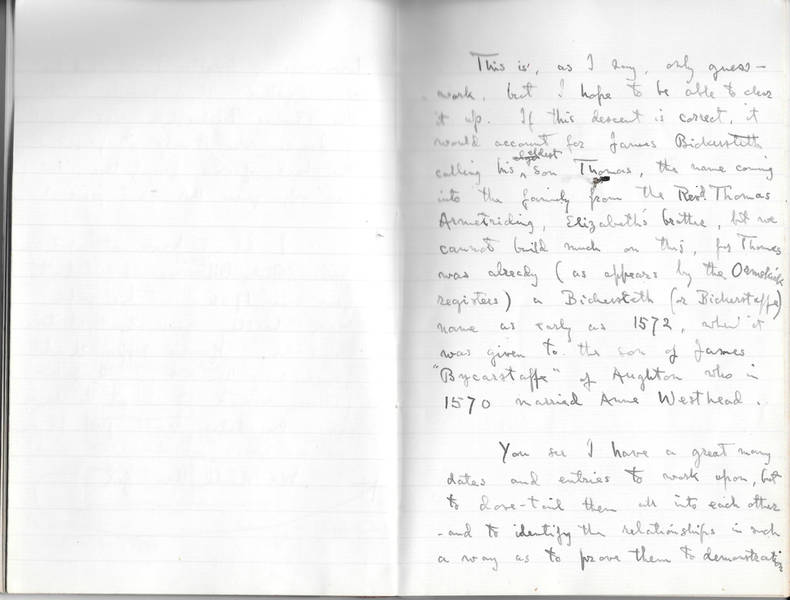
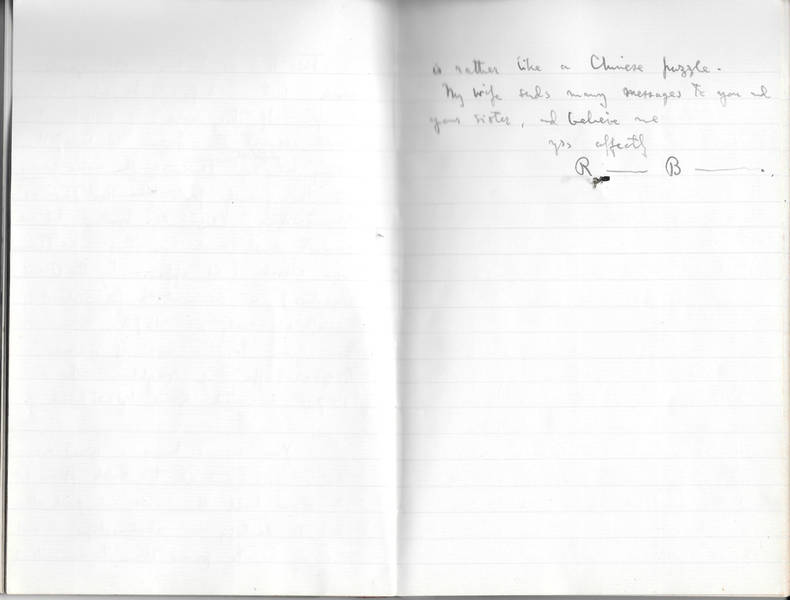
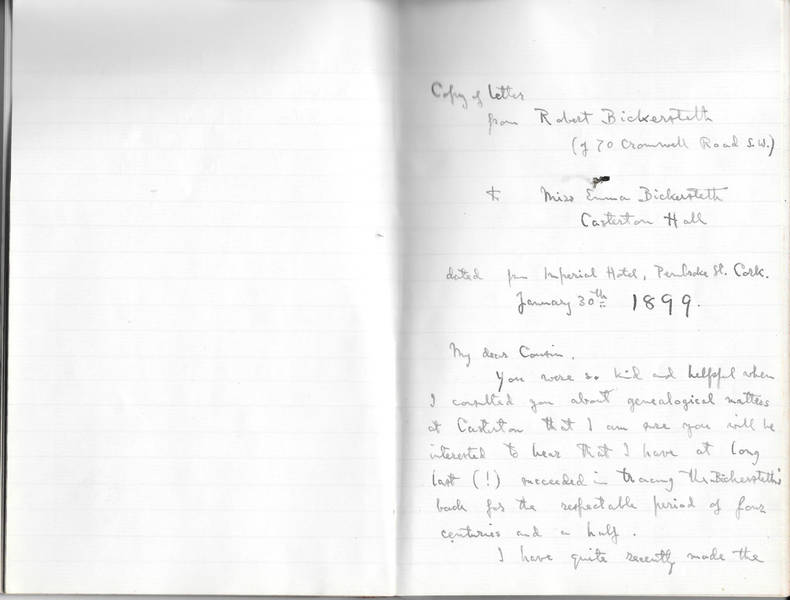
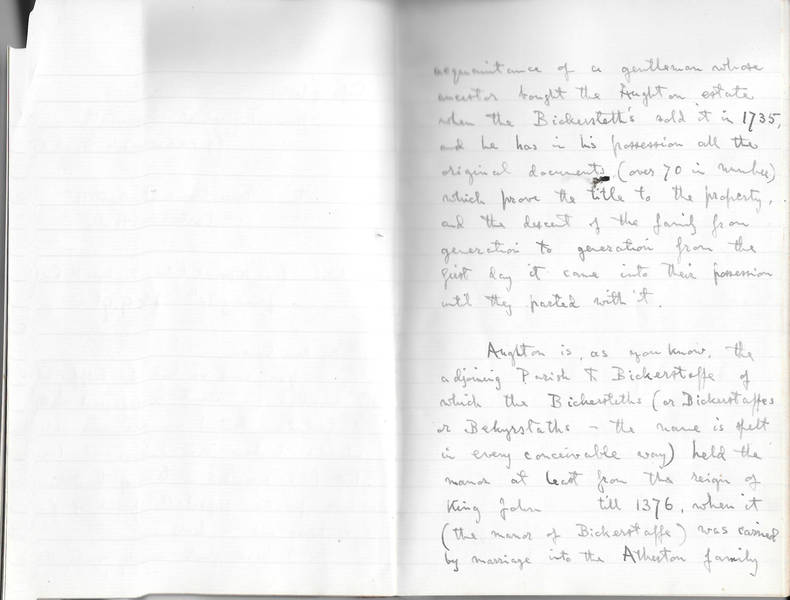
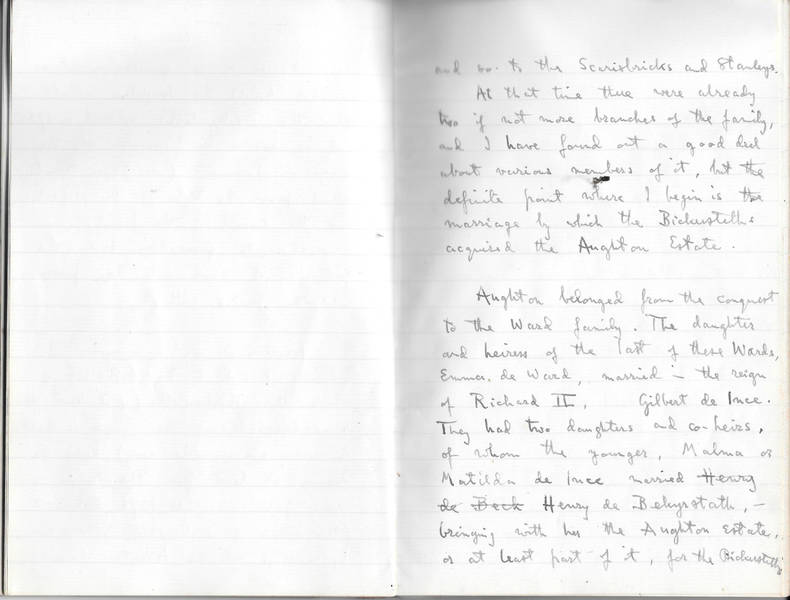
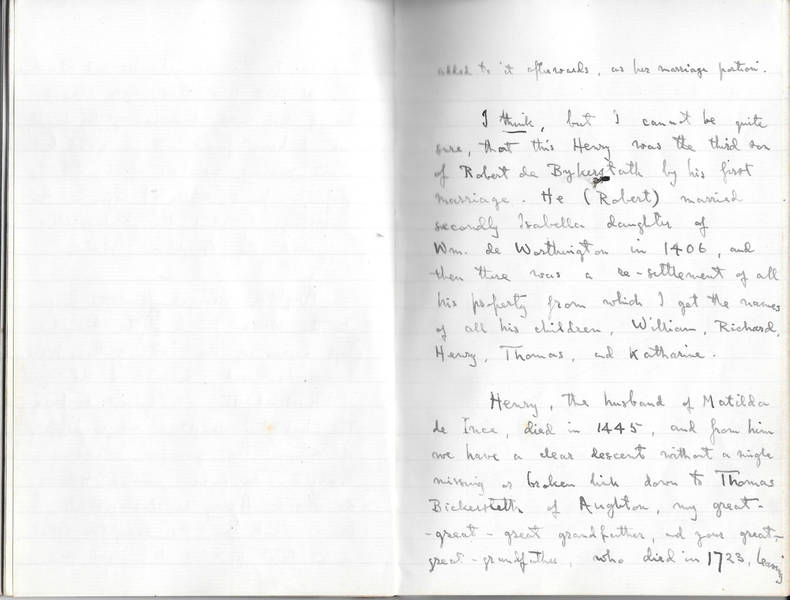
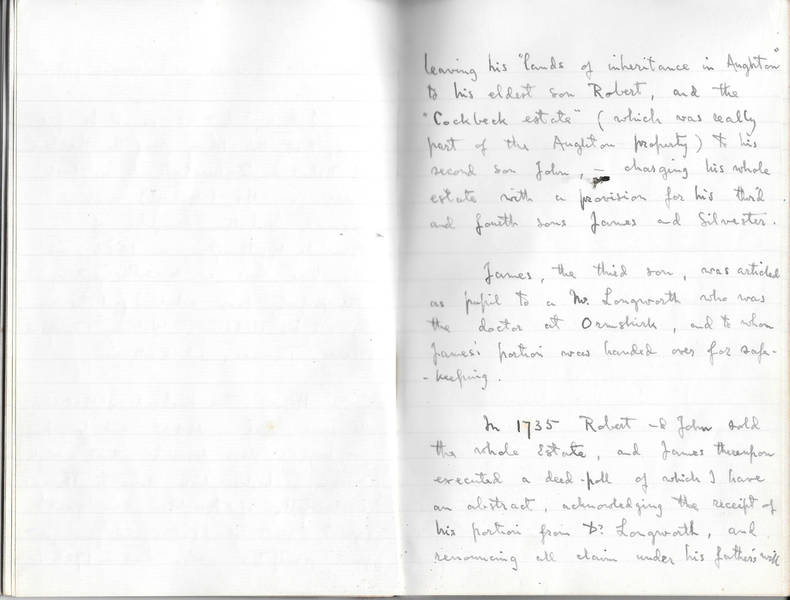
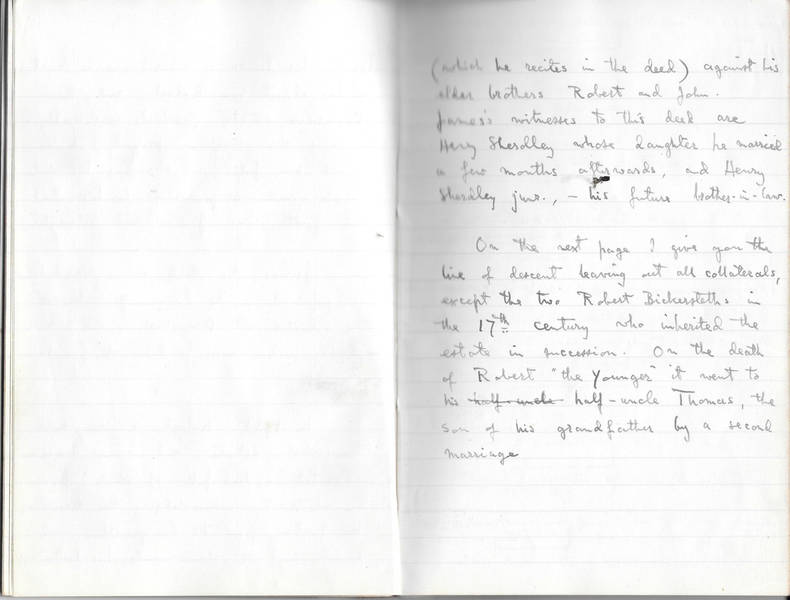
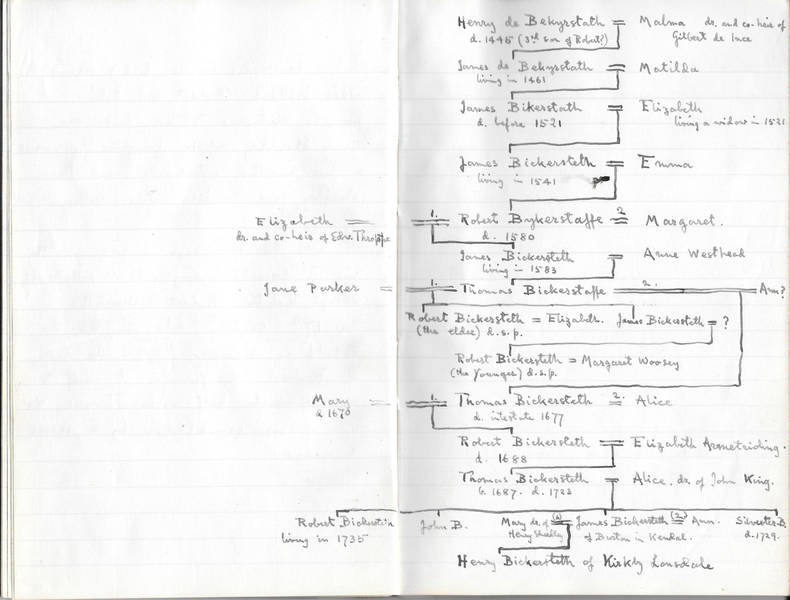
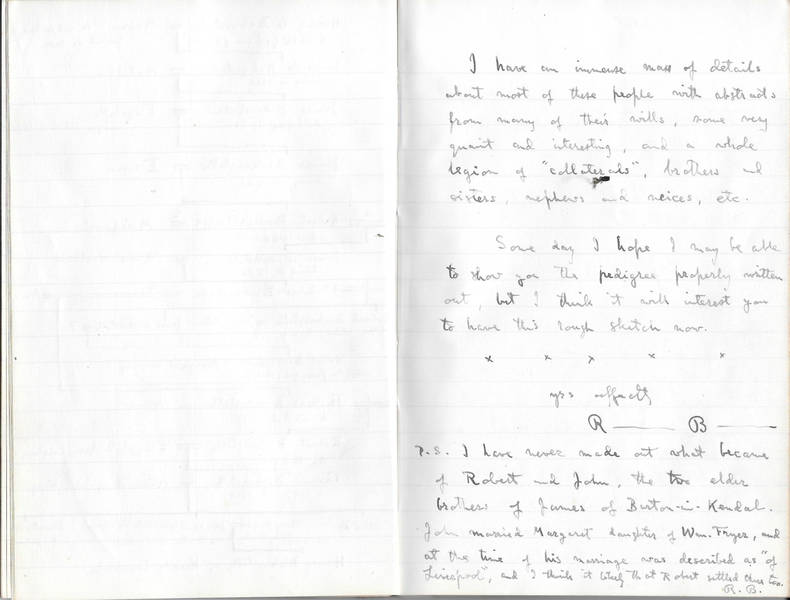
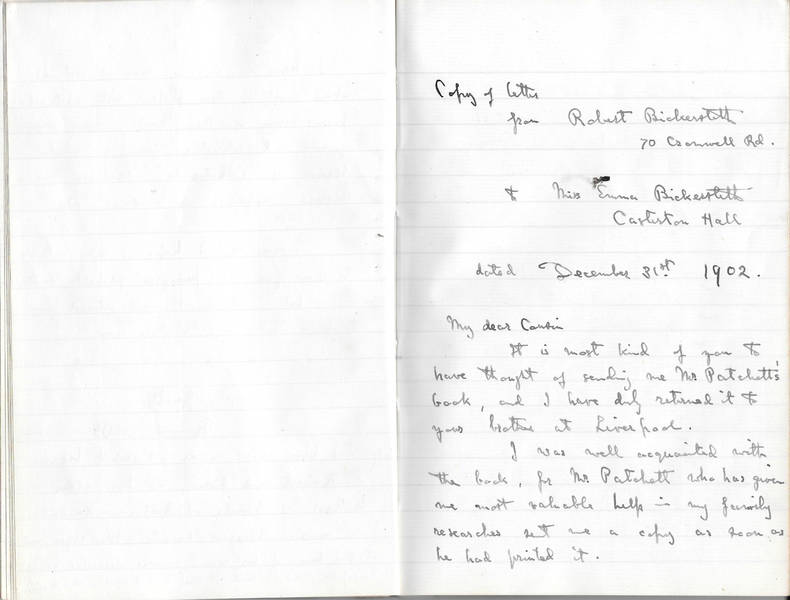
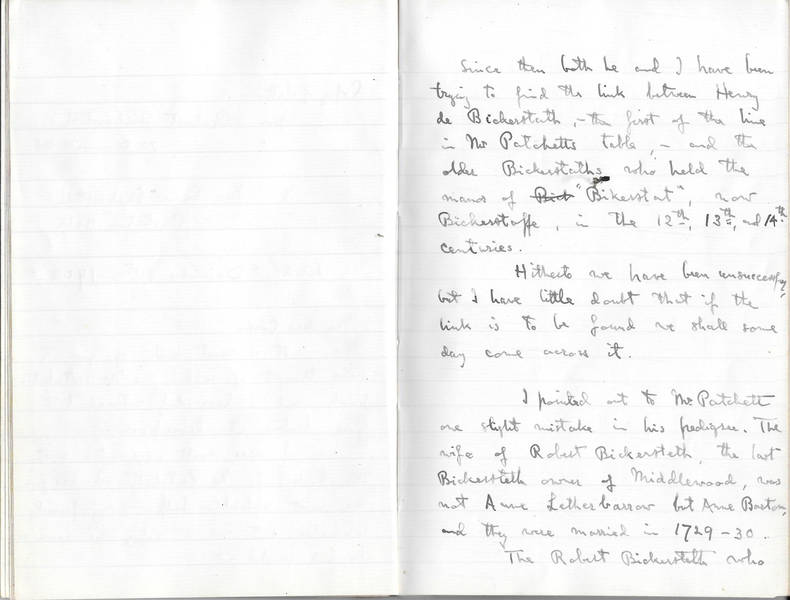
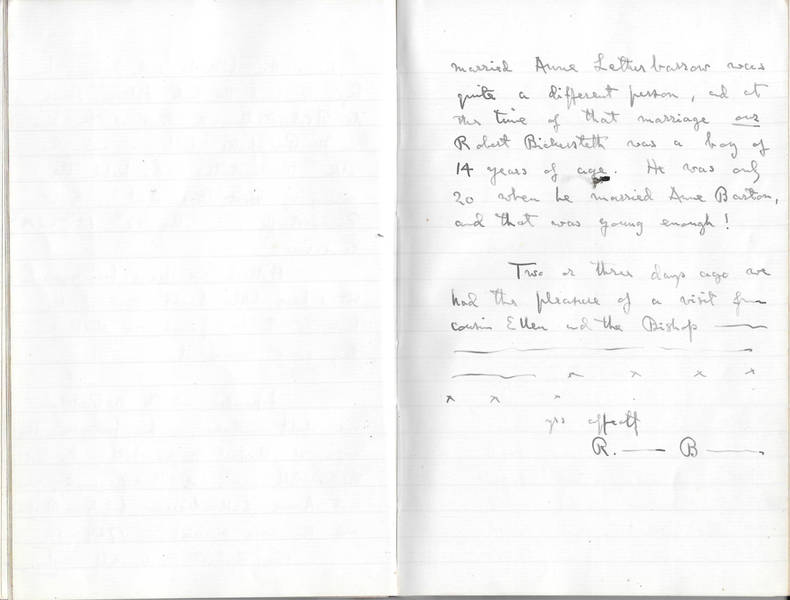
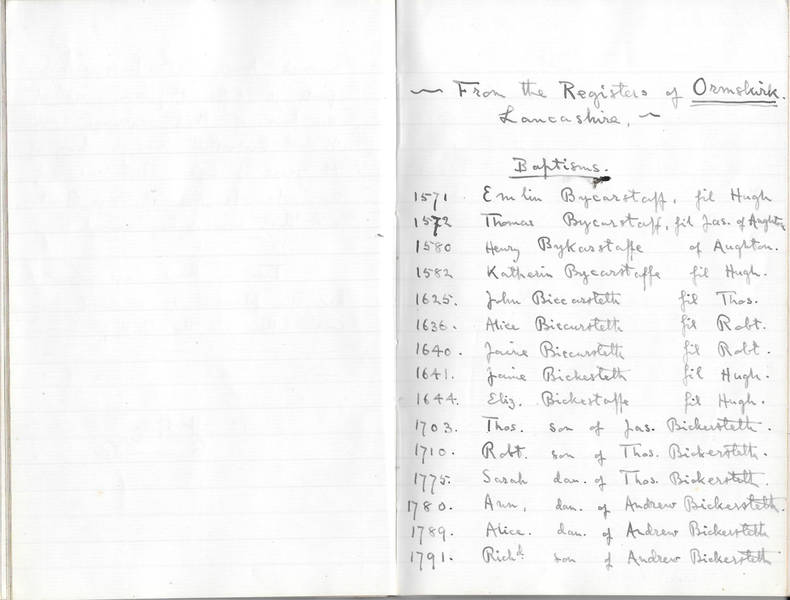
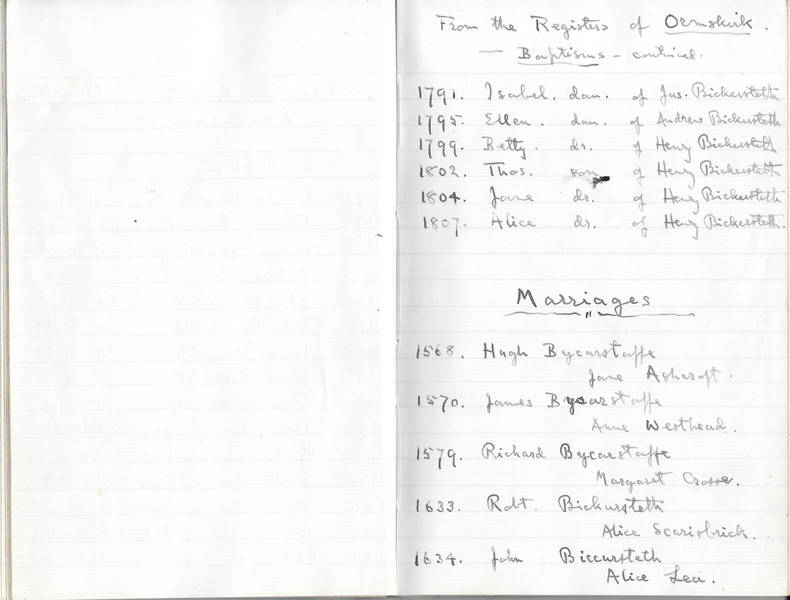
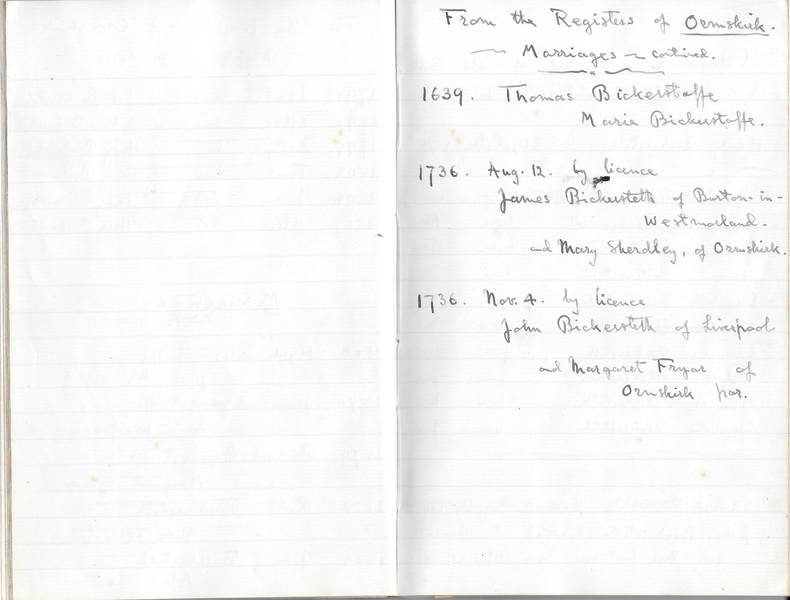
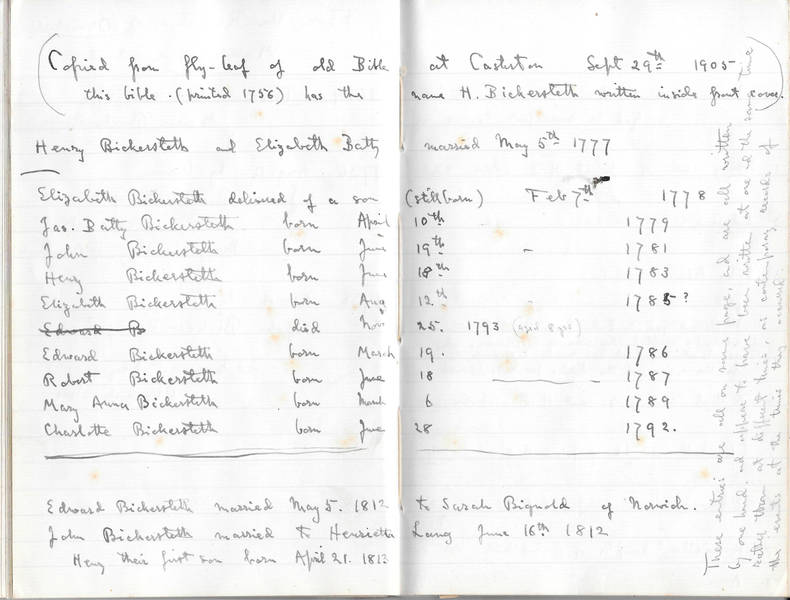
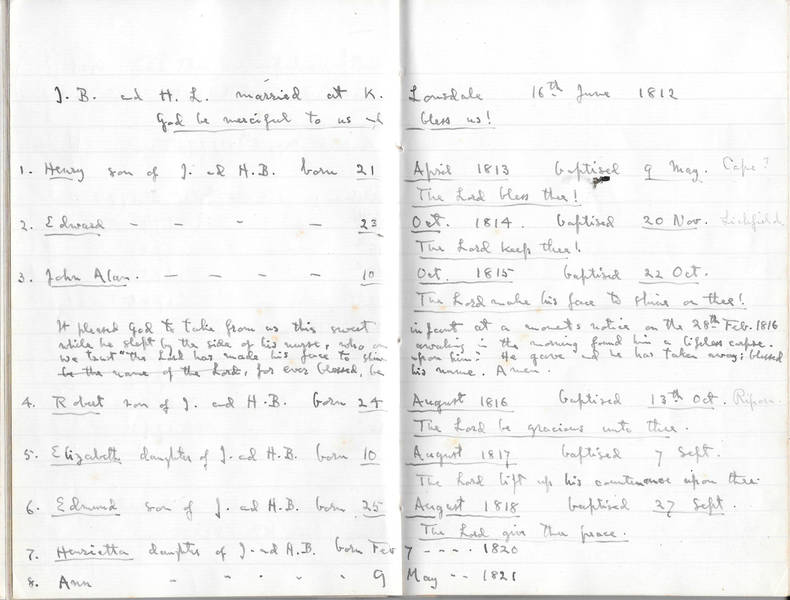
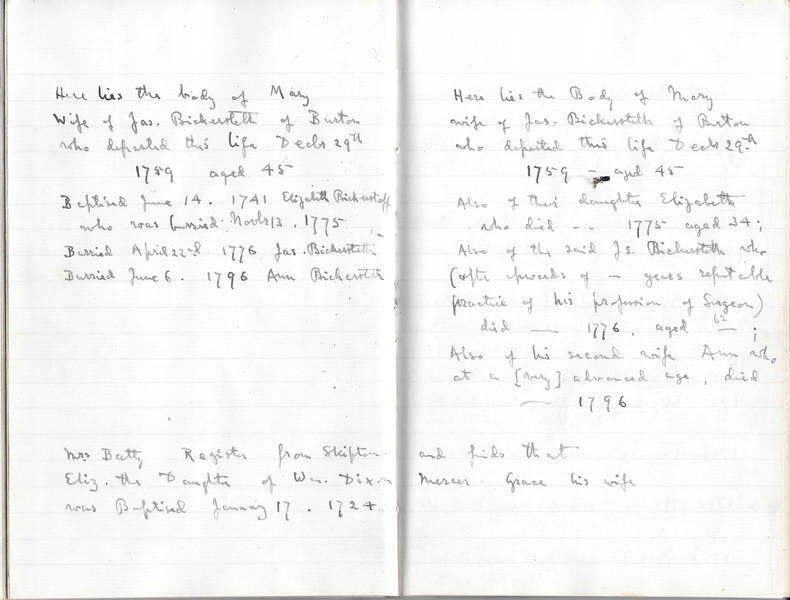
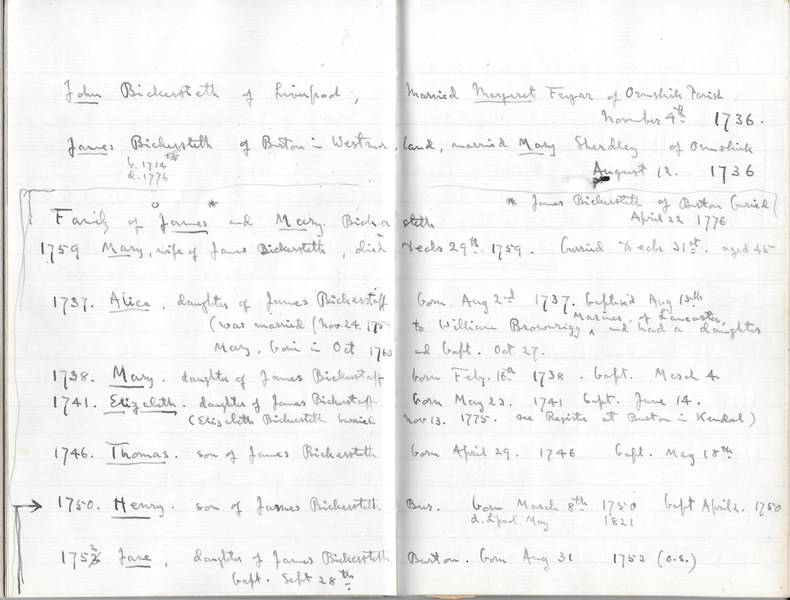
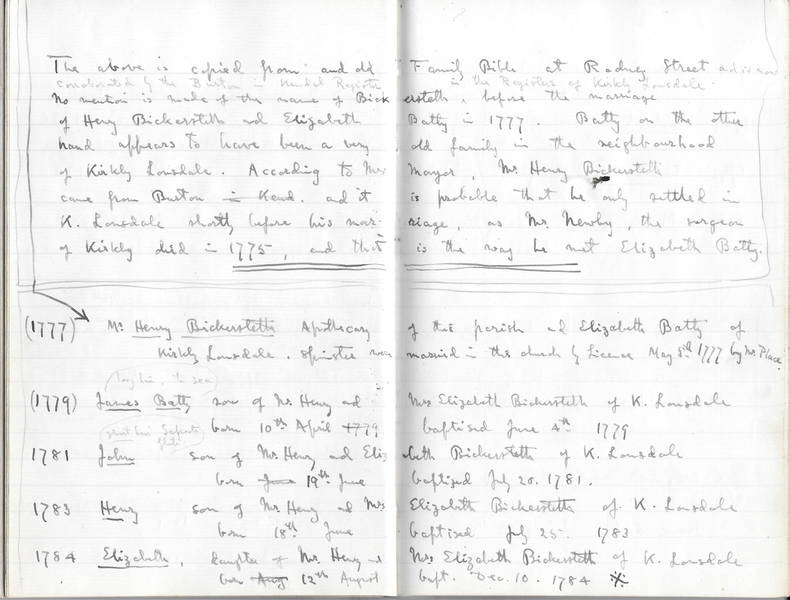
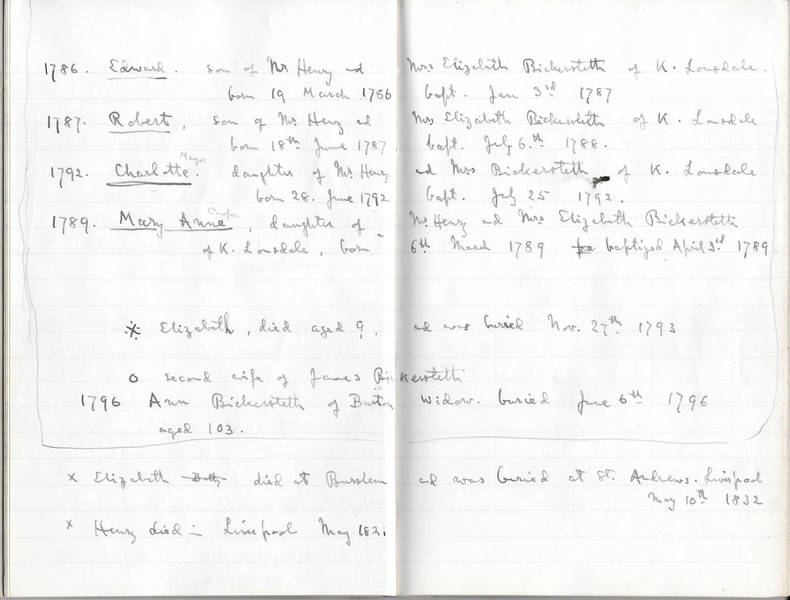
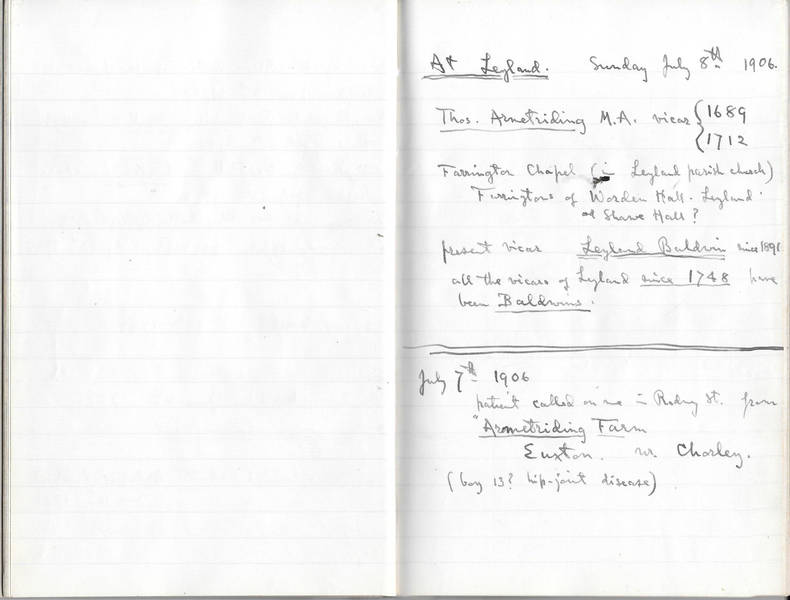
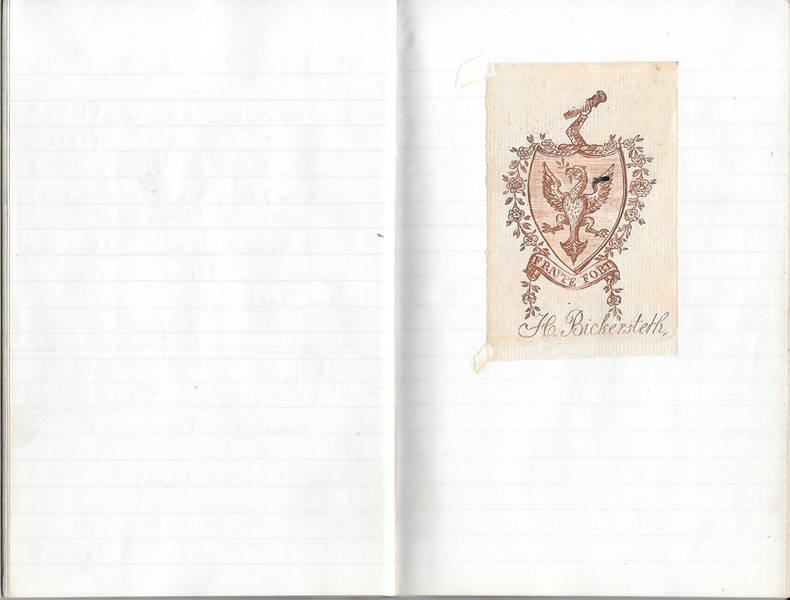
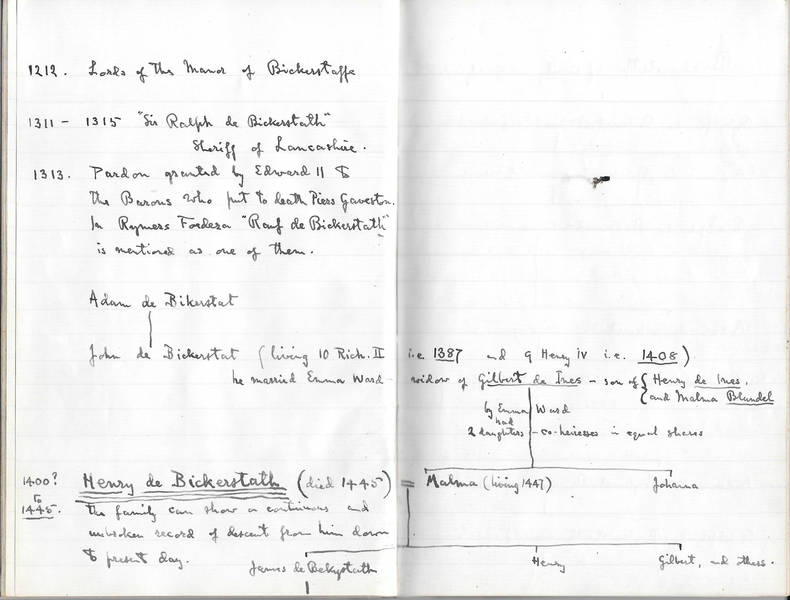
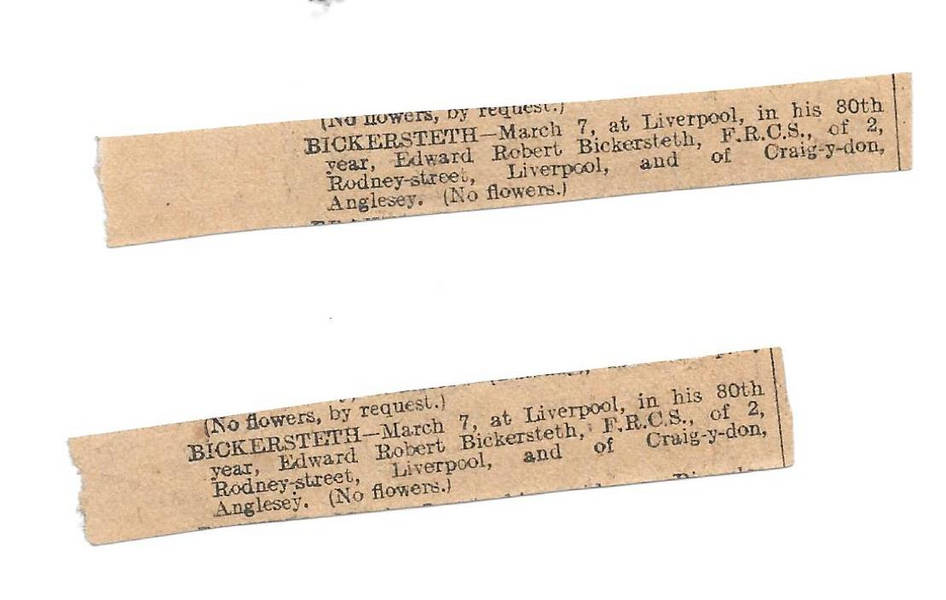
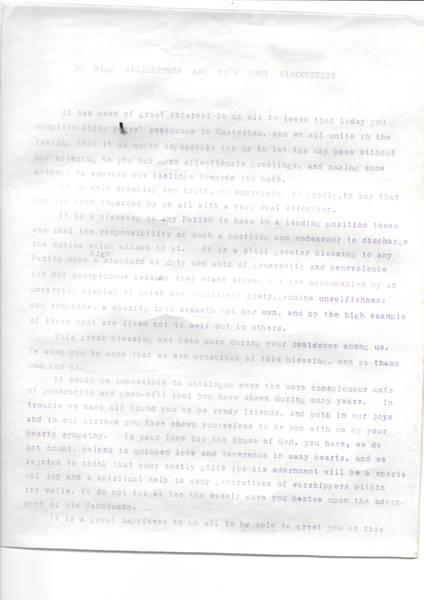
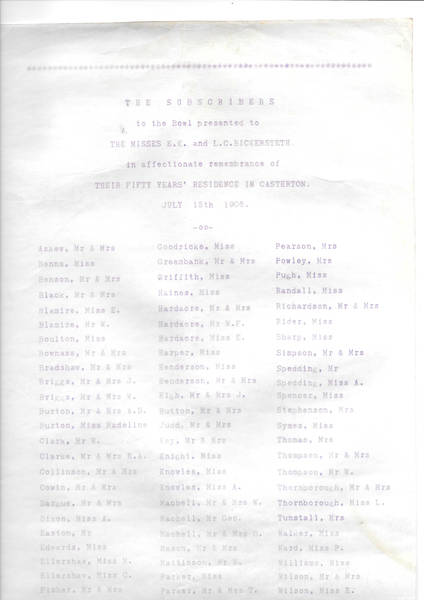
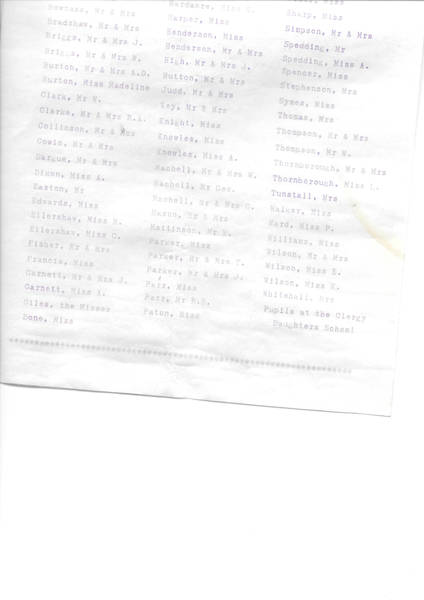
Each album preserves the physical order of the papers so that researchers can understand how the material was originally organised.
About This Archive
The documents presented in this archive form a collection of original genealogical research papers relating to the Bickersteth family. The material was acquired as a historical archive containing notebooks, correspondence, documentary extracts, and related papers assembled during the nineteenth and early twentieth centuries.
Internal evidence within the documents indicates that the research was undertaken by members of the Bickersteth family and associated researchers who were attempting to reconstruct the family’s lineage from parish registers, historical publications, monument inscriptions, and medieval documentary sources.
The papers appear to have been preserved together as a working genealogical archive rather than as a finished publication.
About the family and origins here