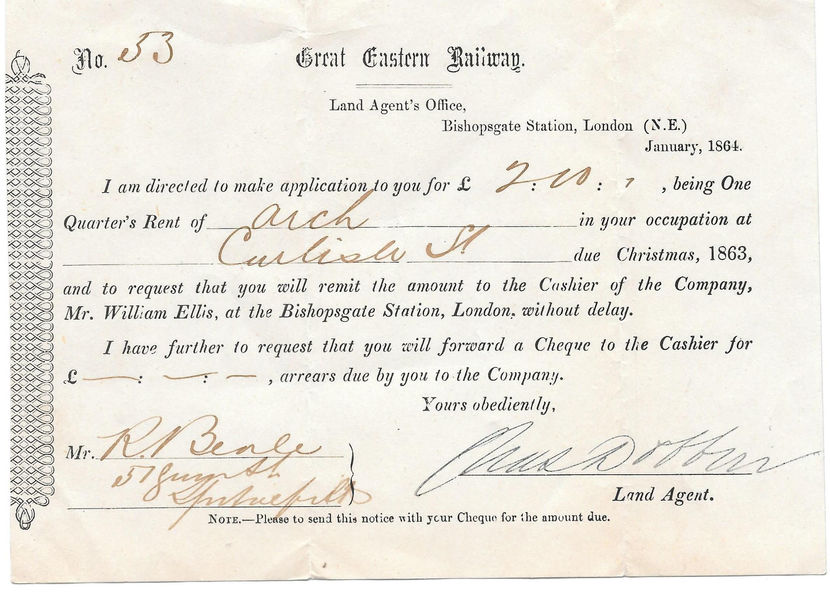
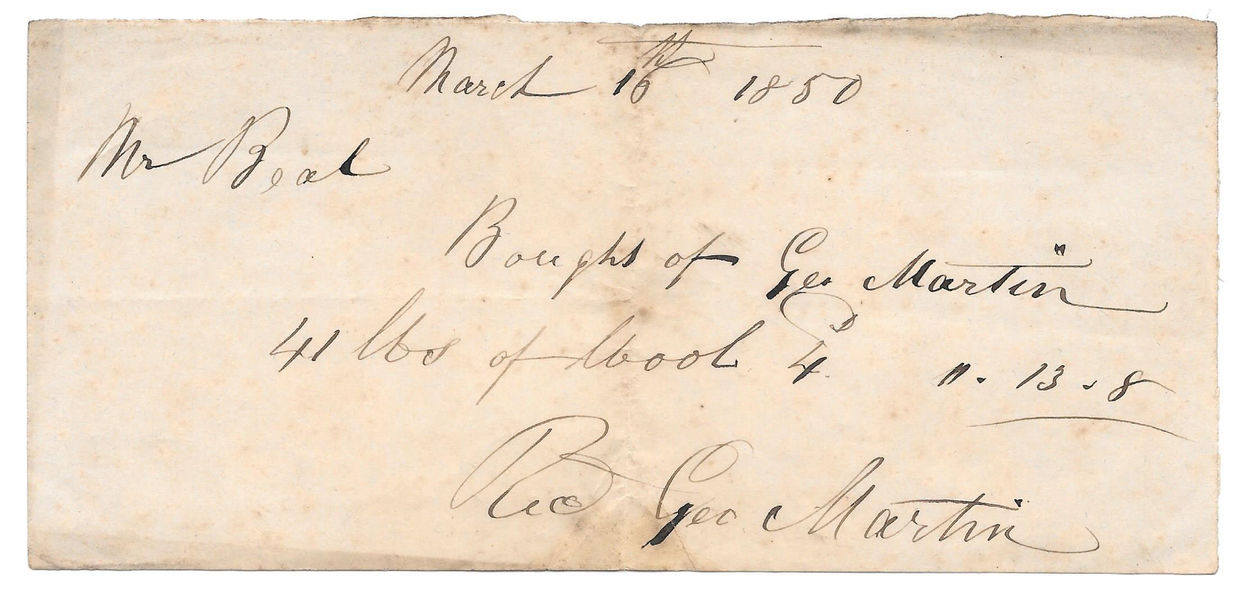
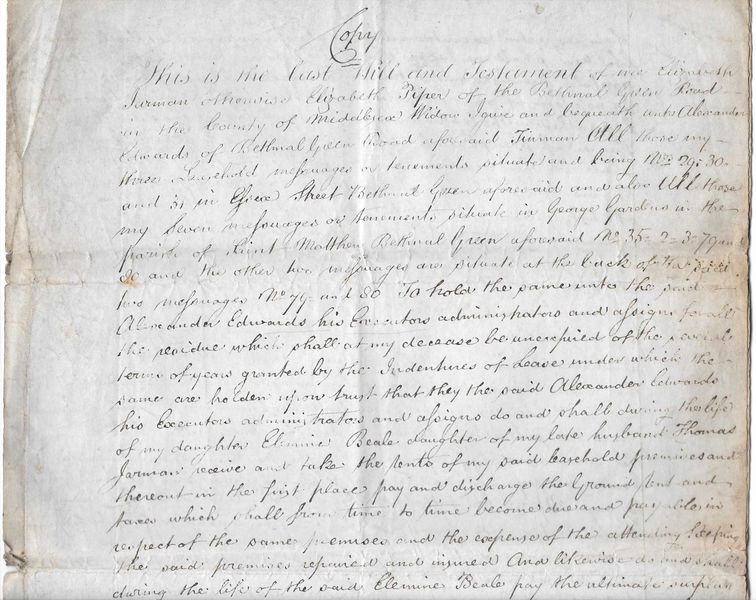
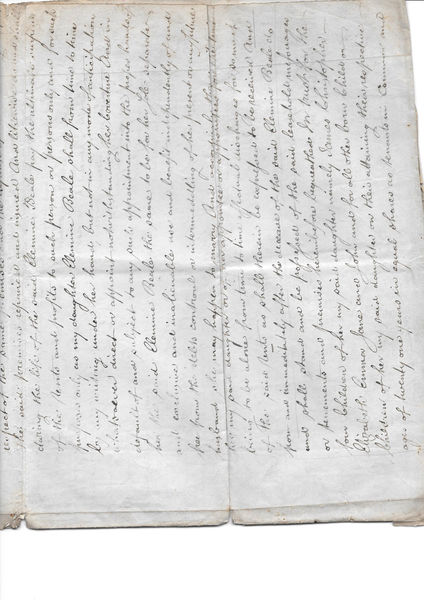
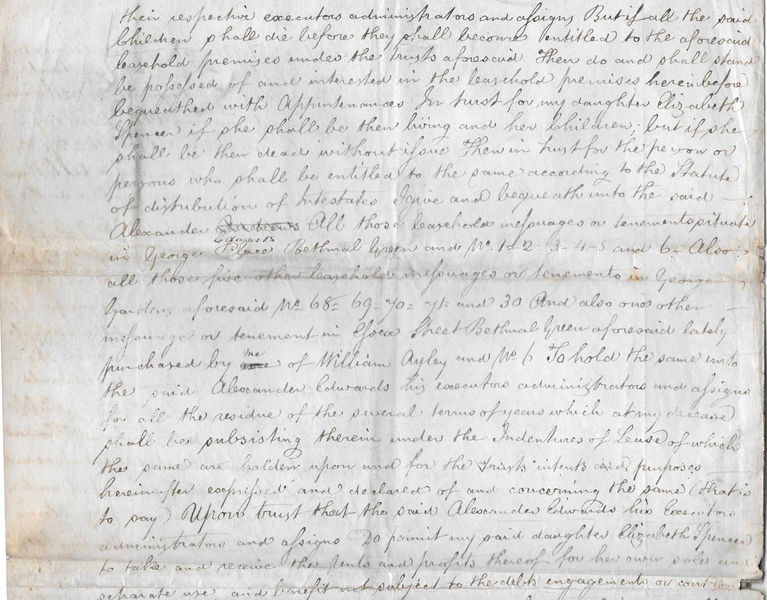
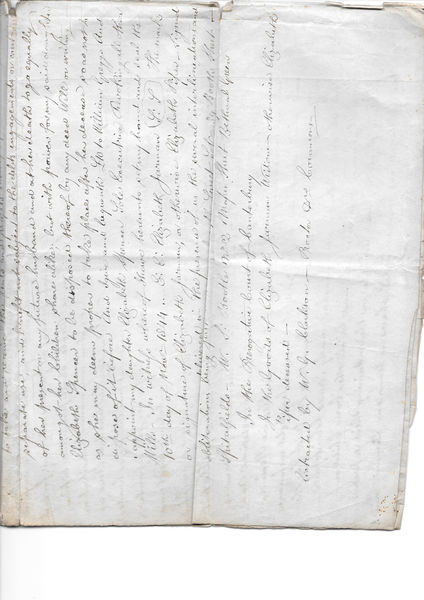
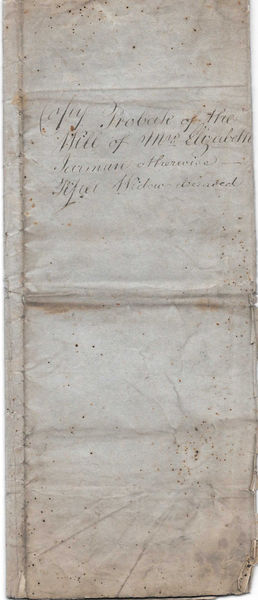
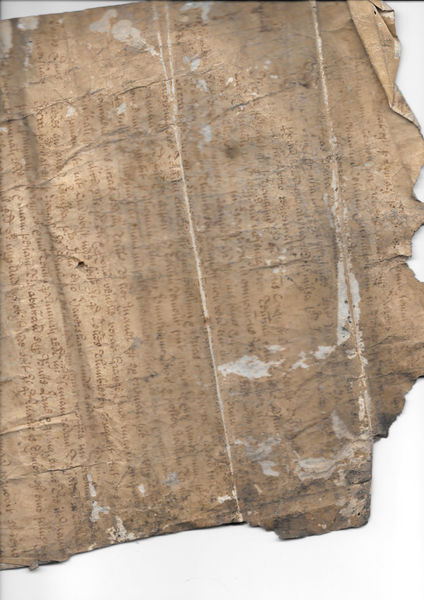
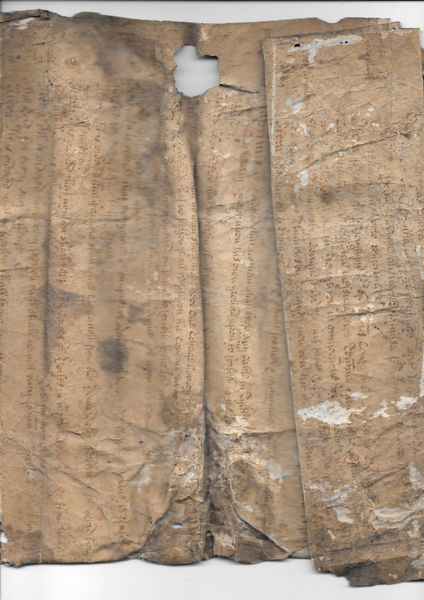
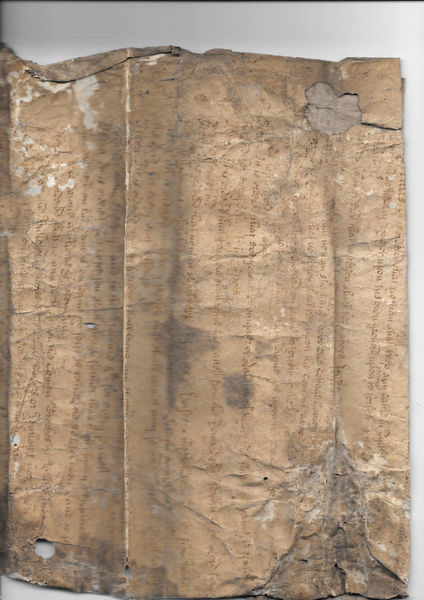
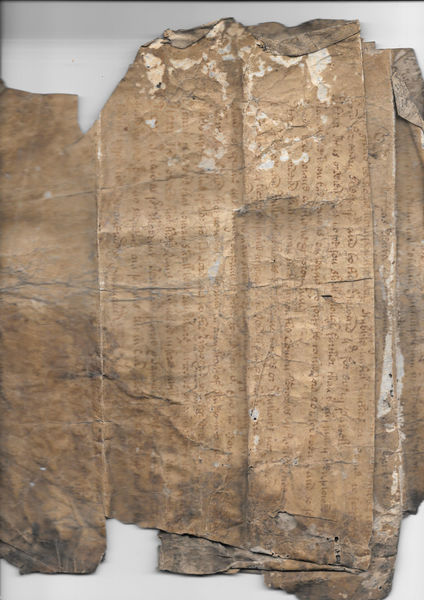
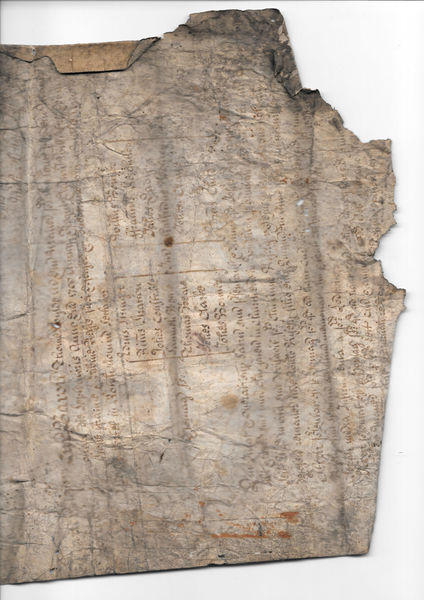
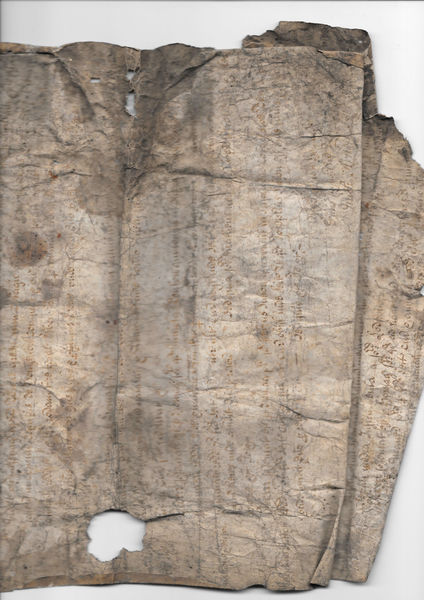
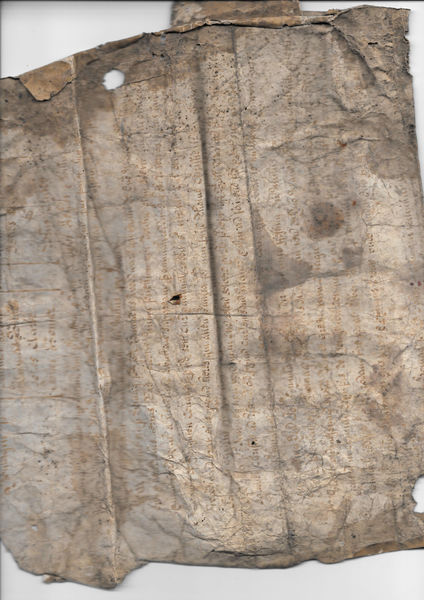
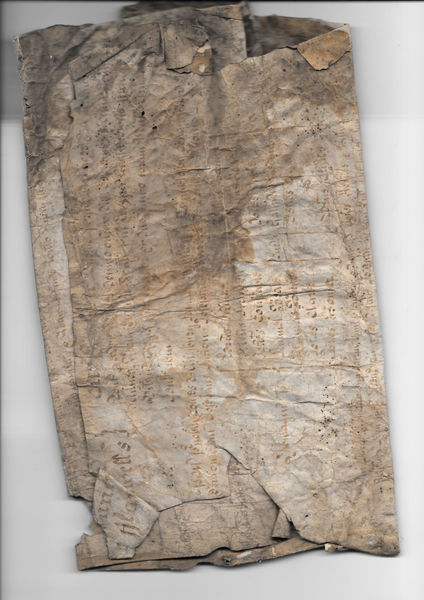
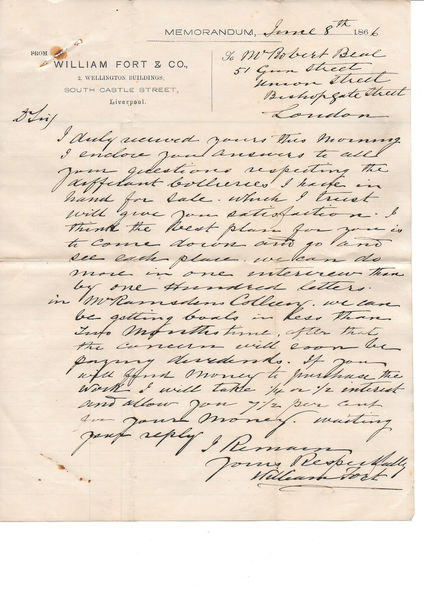
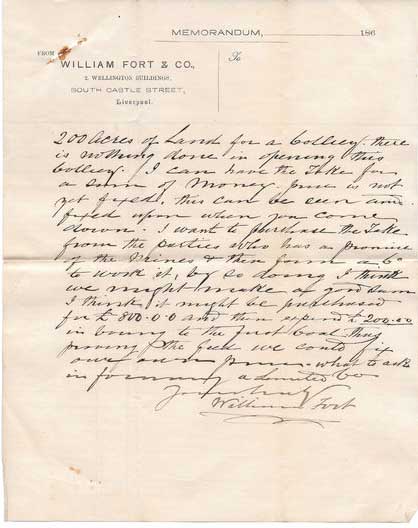
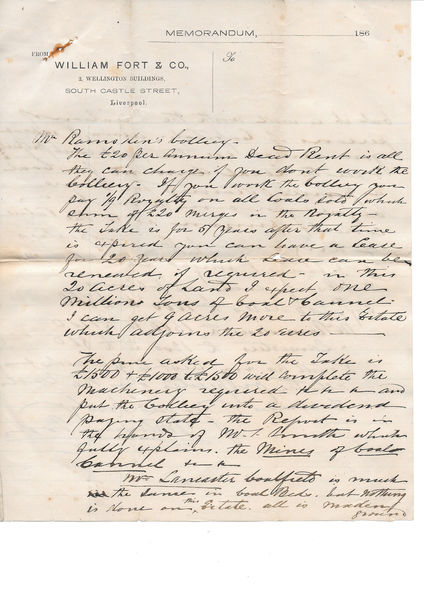
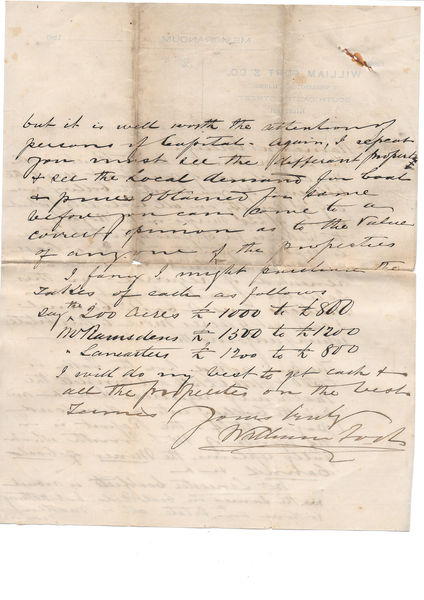
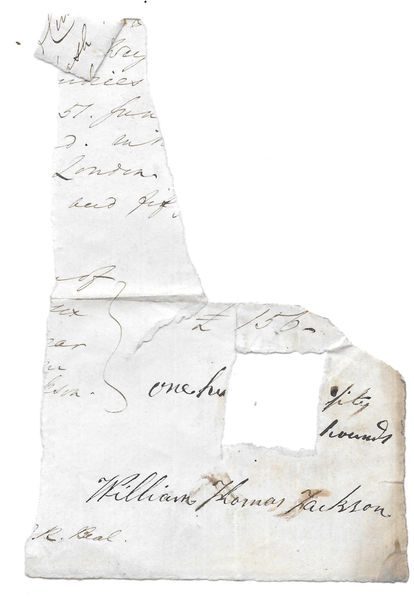
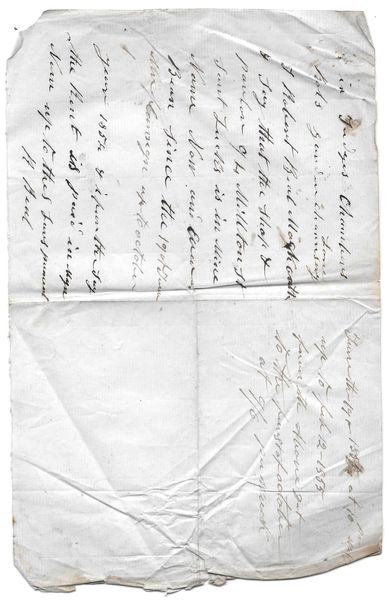
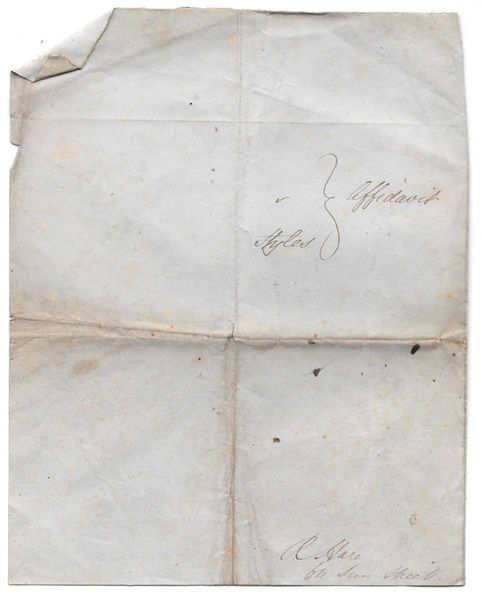
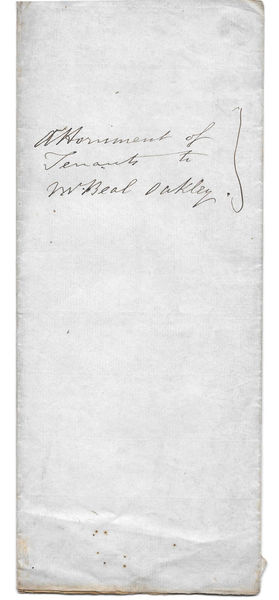
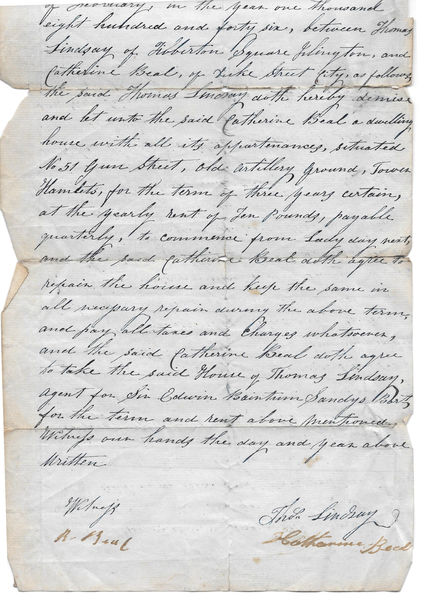
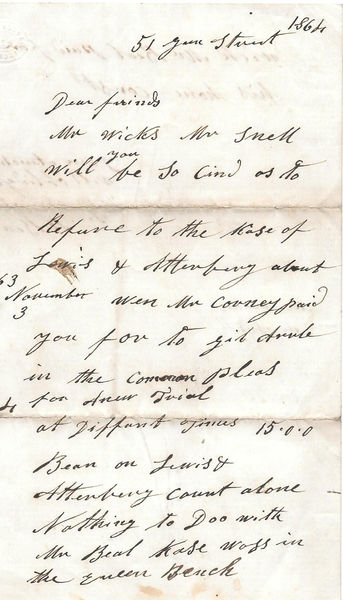
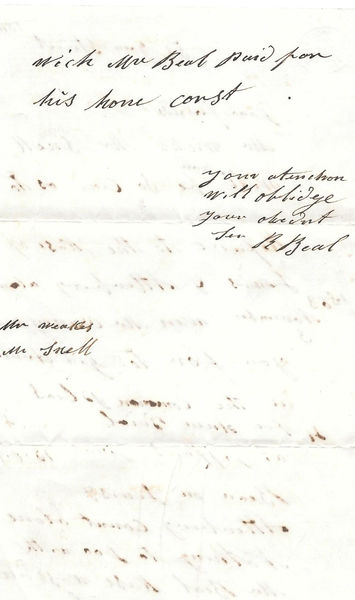
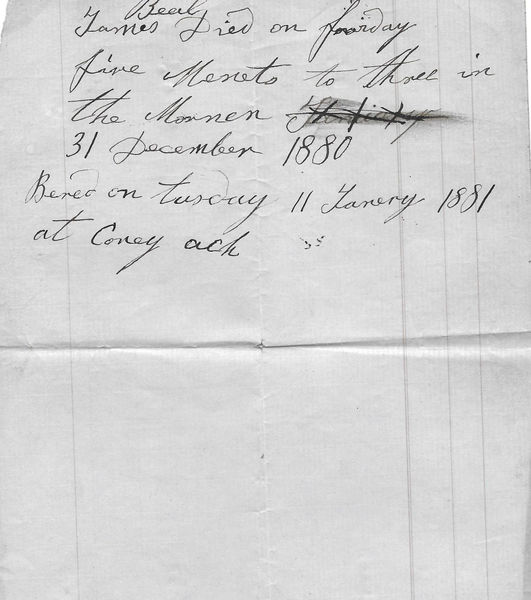
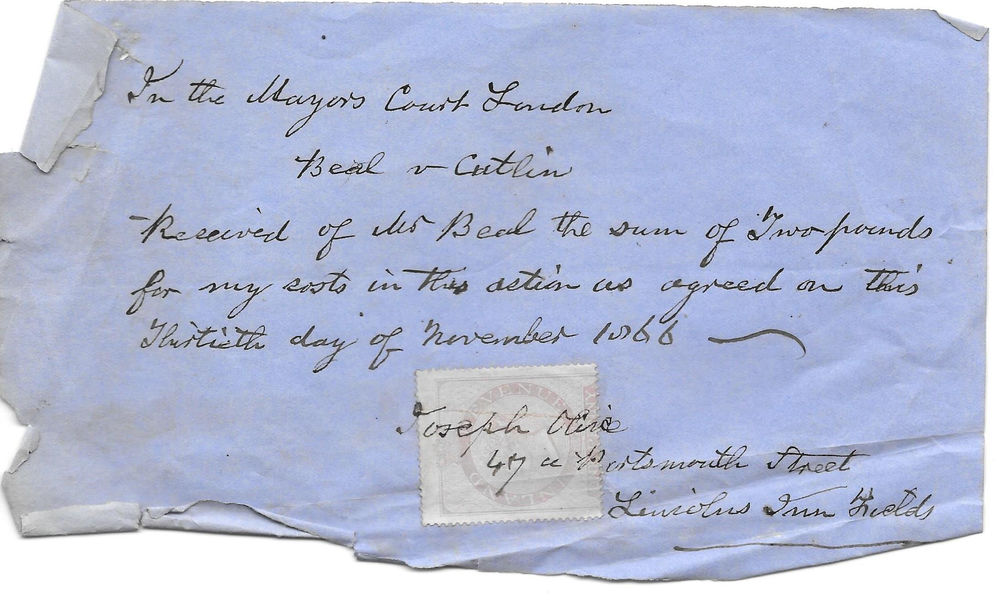
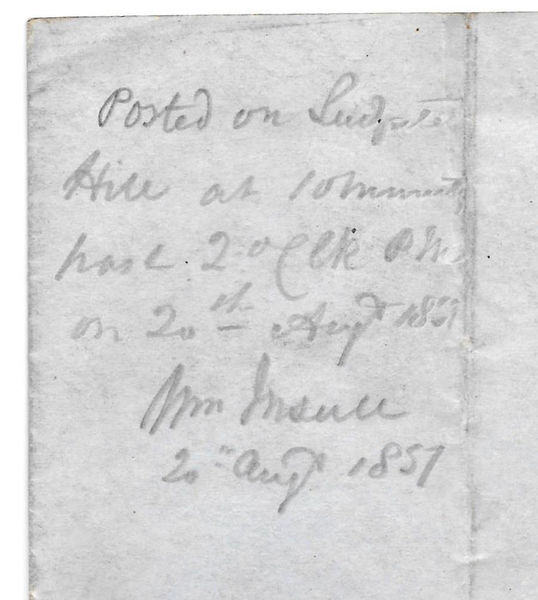
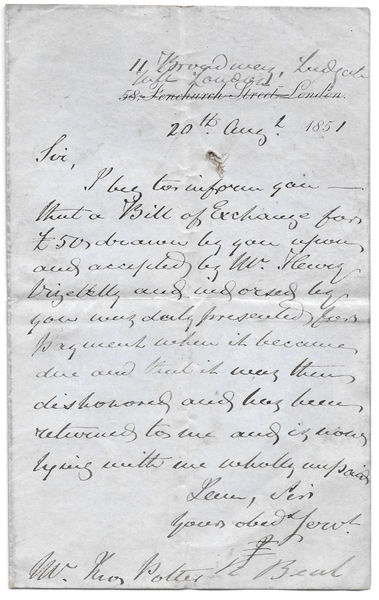
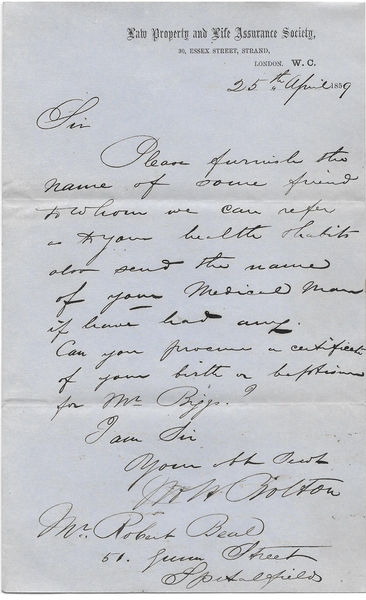
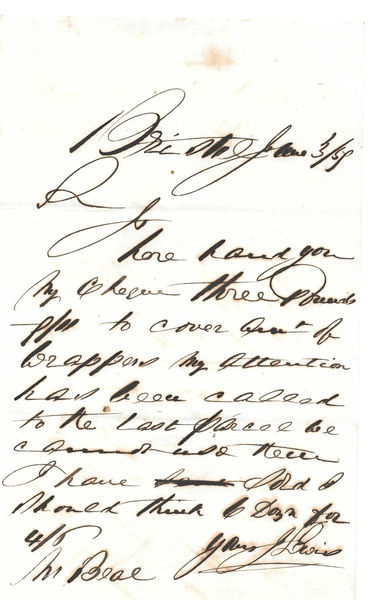
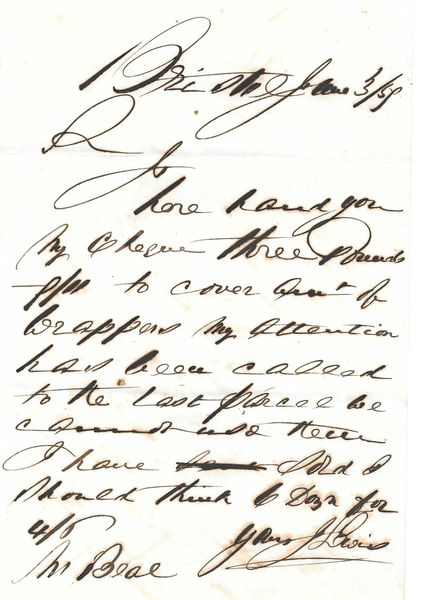
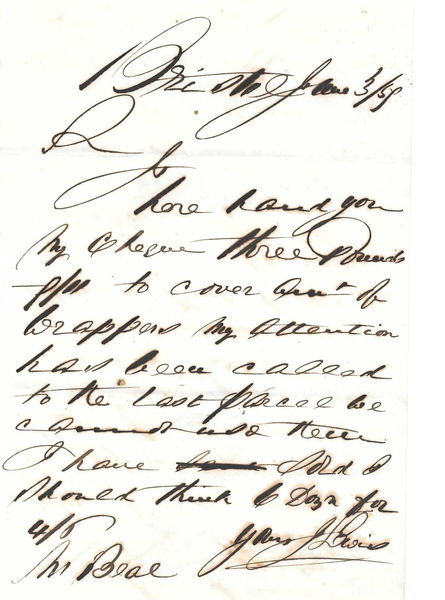
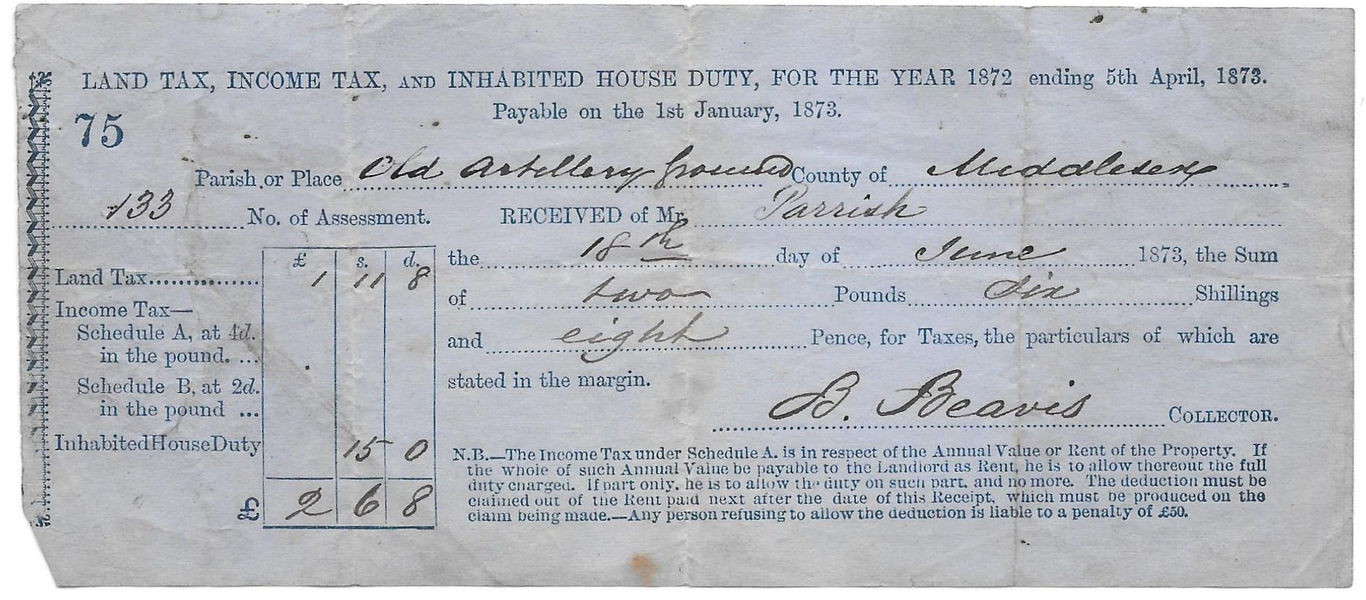
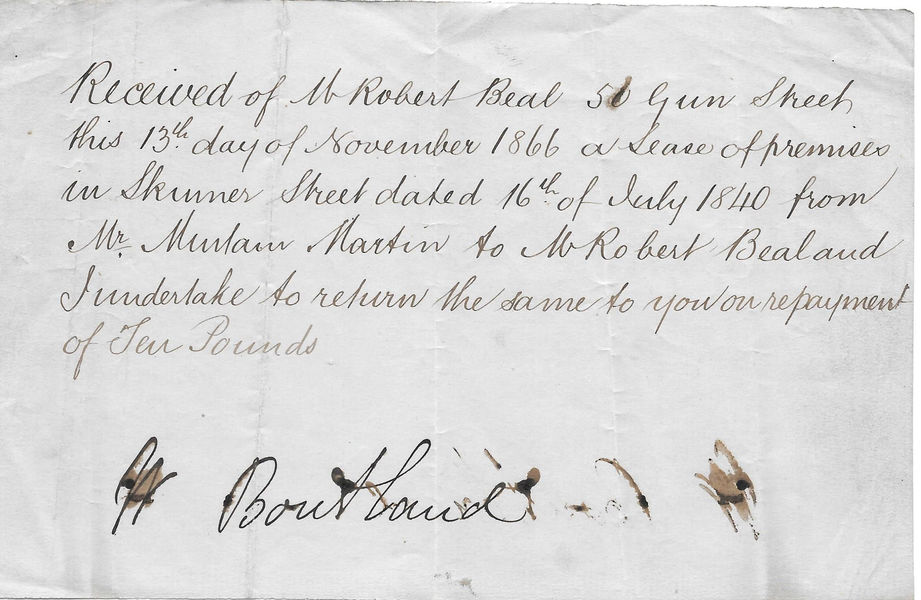
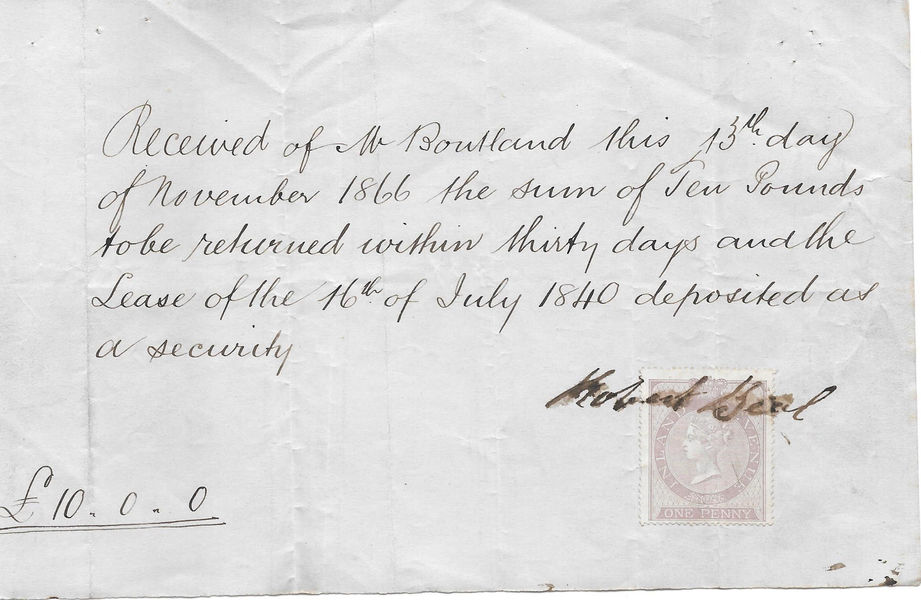
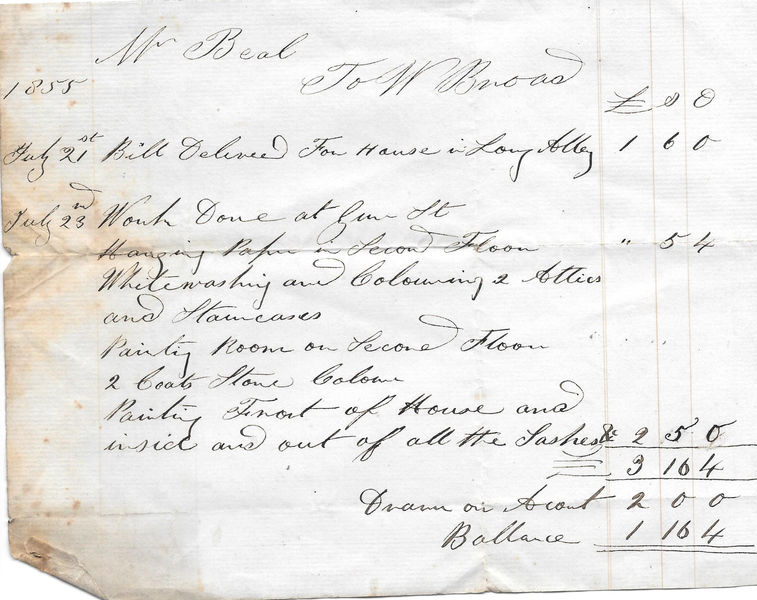
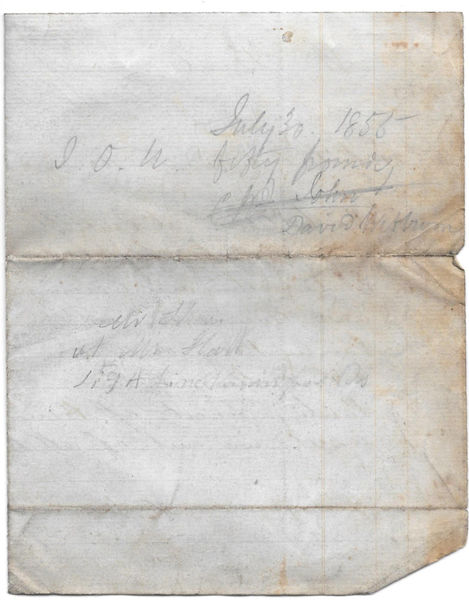
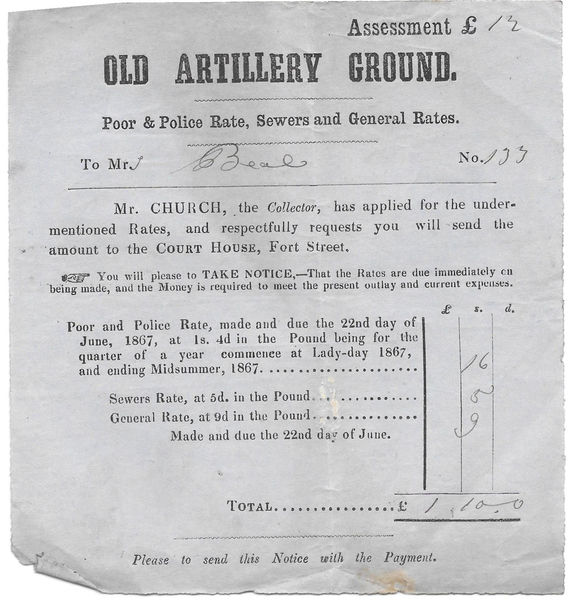
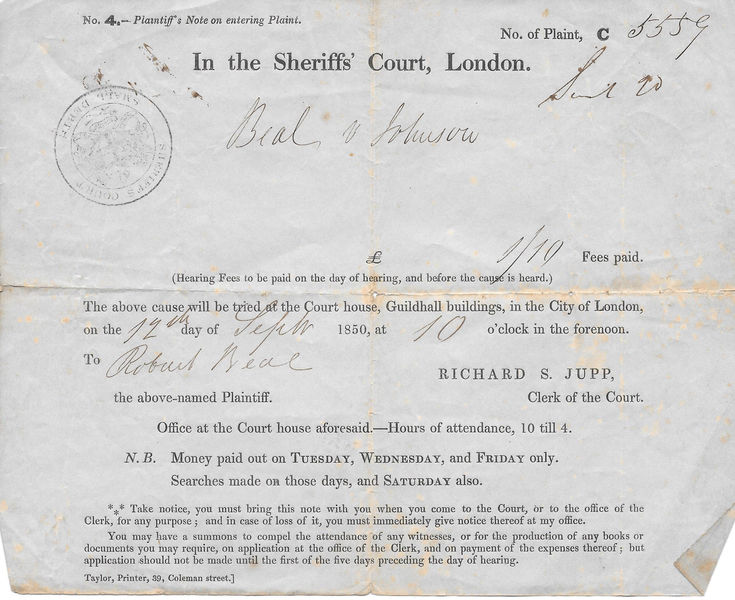
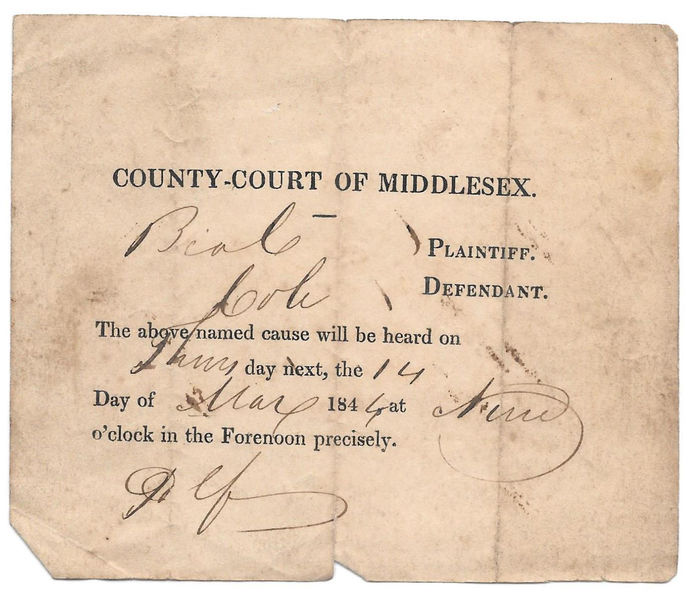
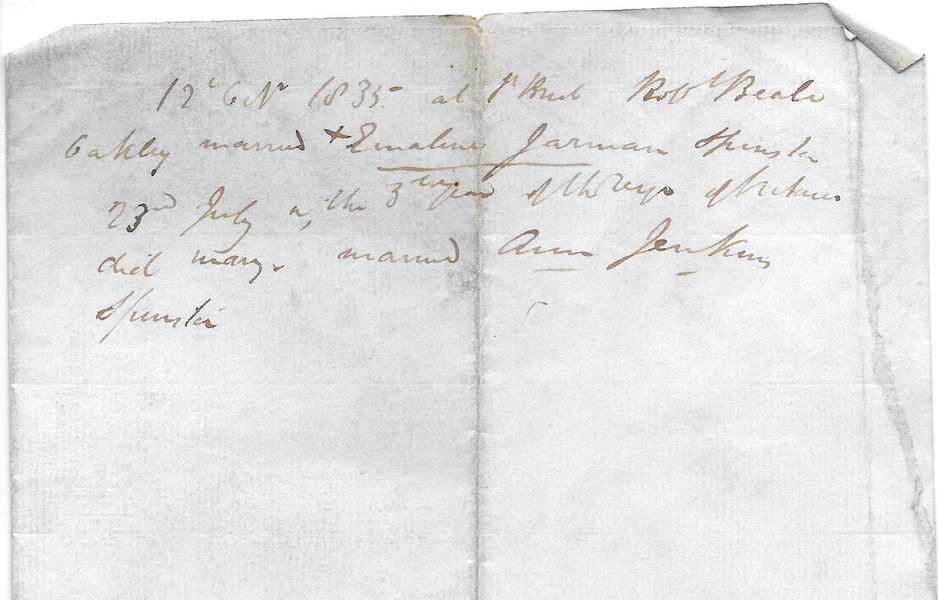
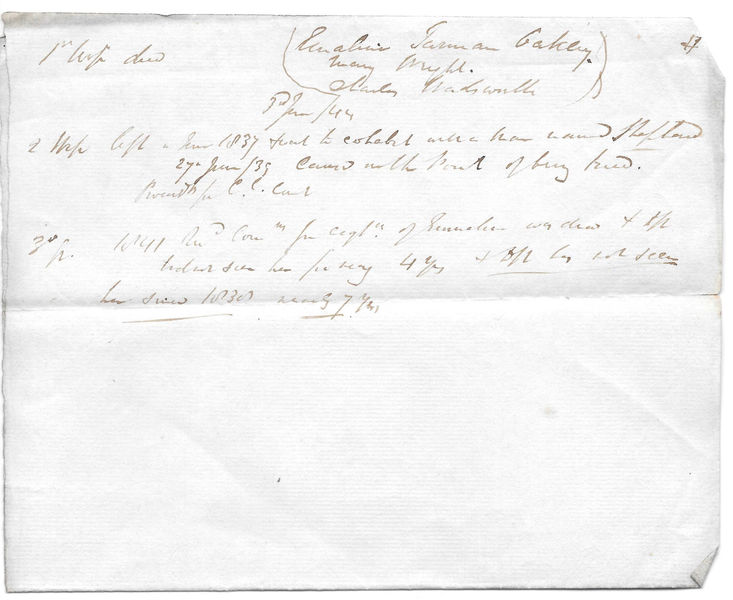
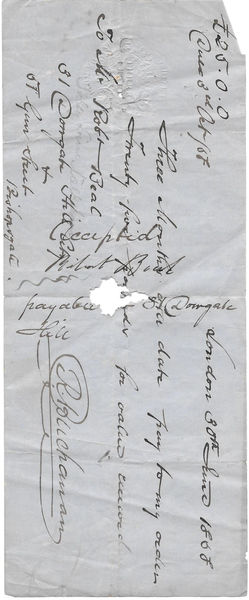
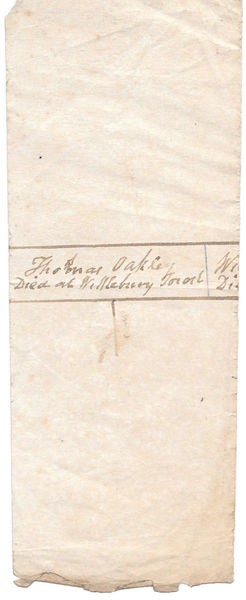
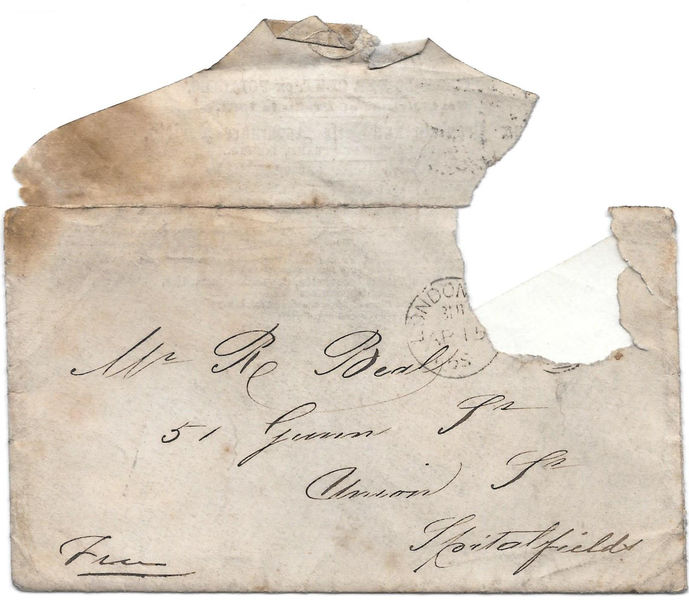
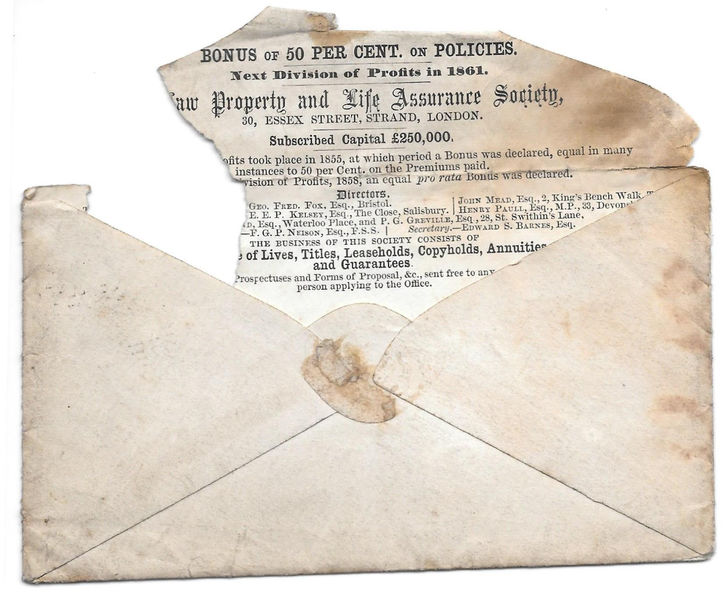
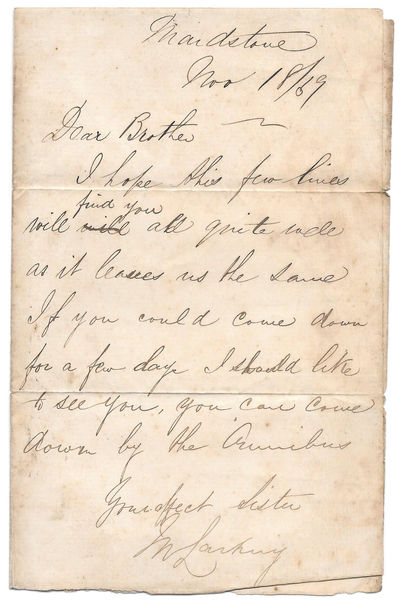
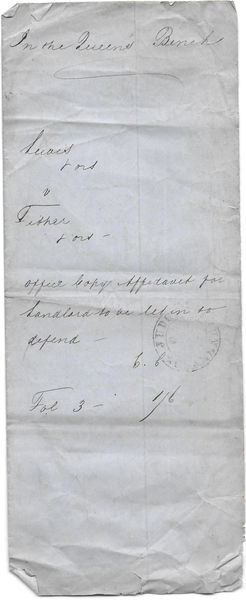
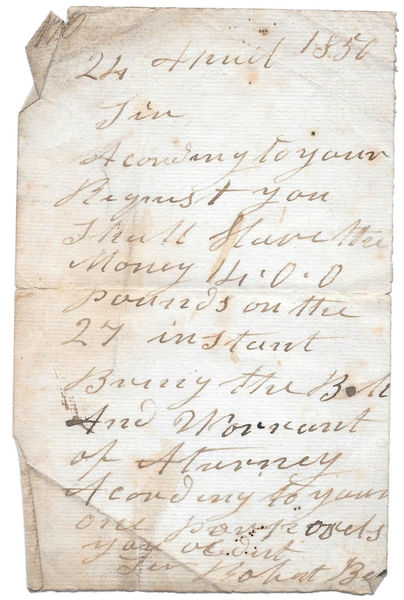
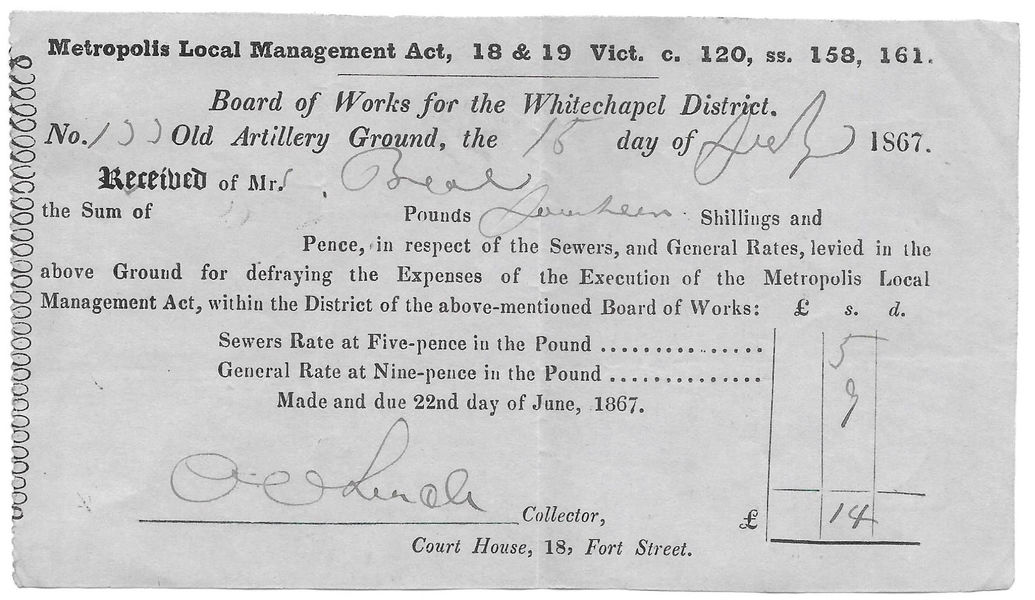
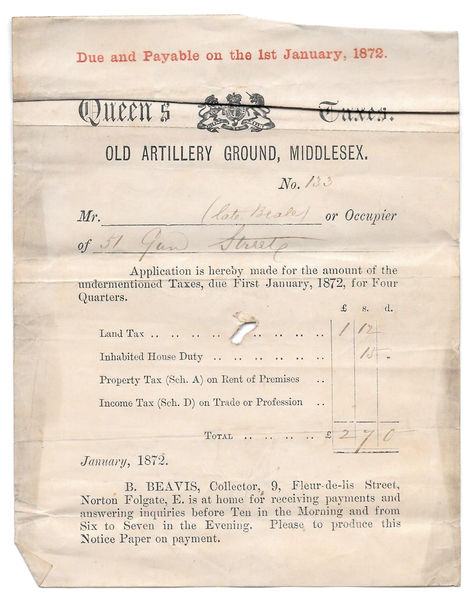
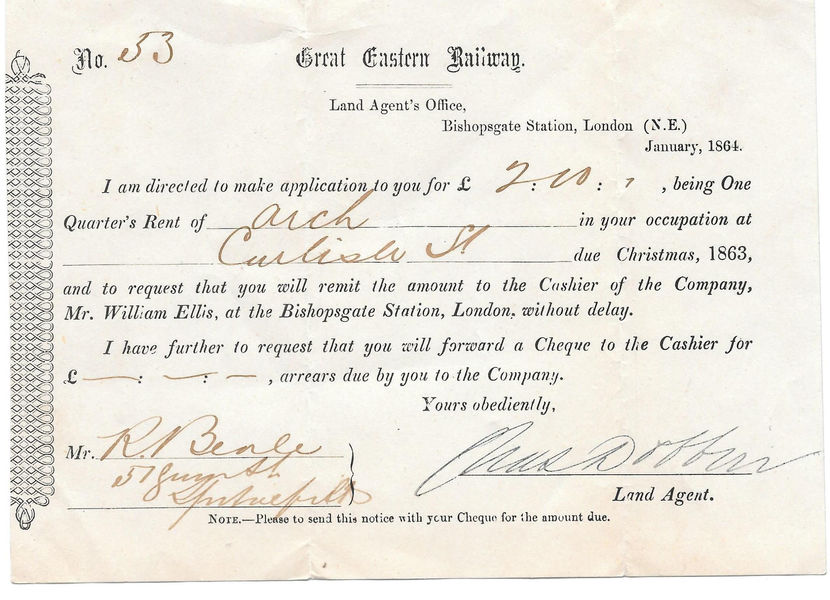
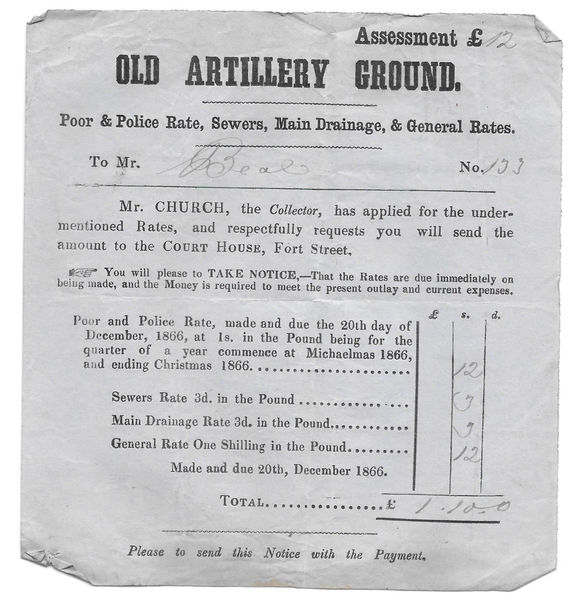
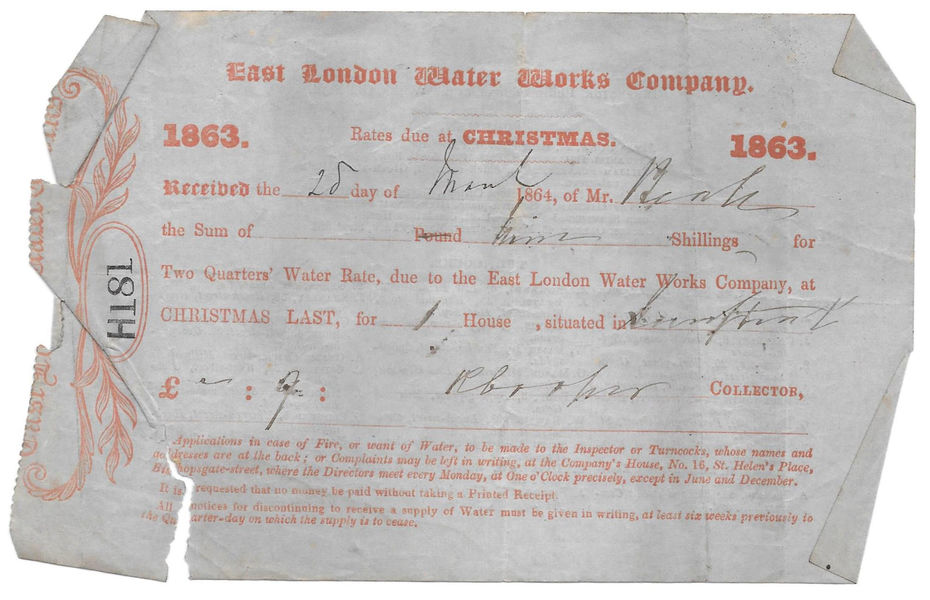
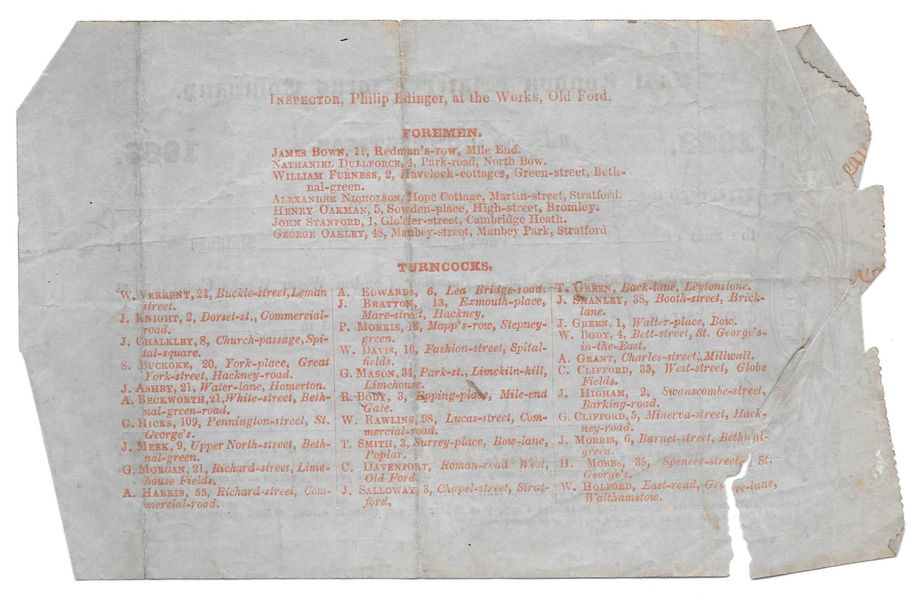
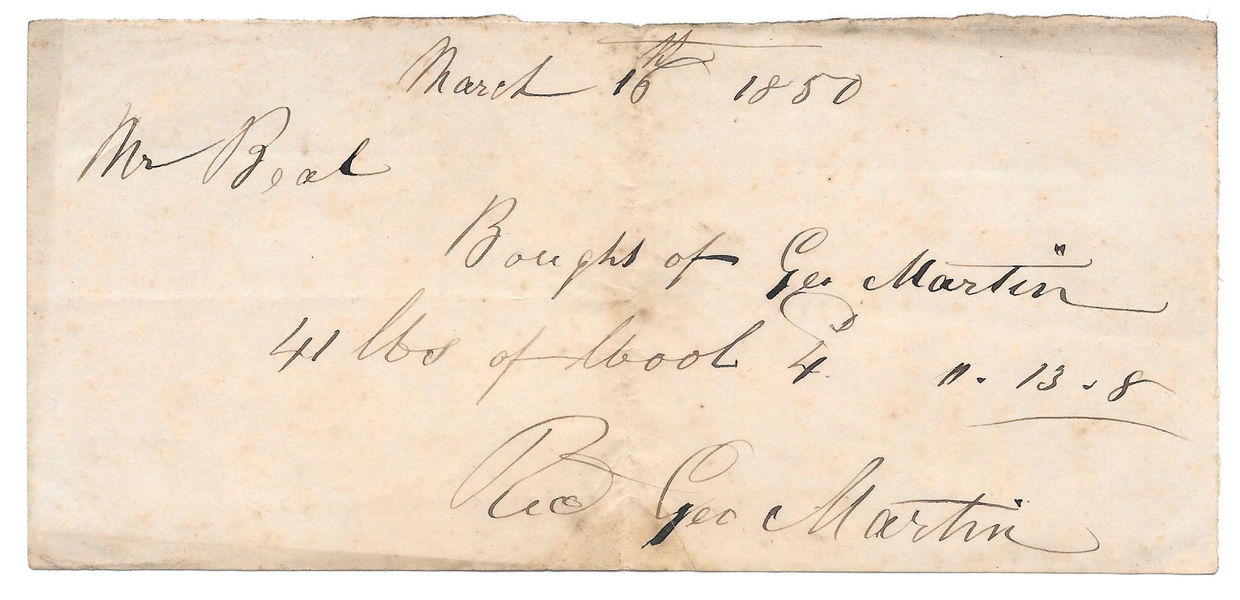
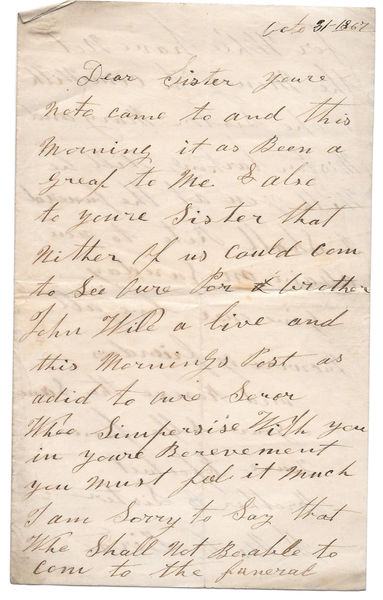
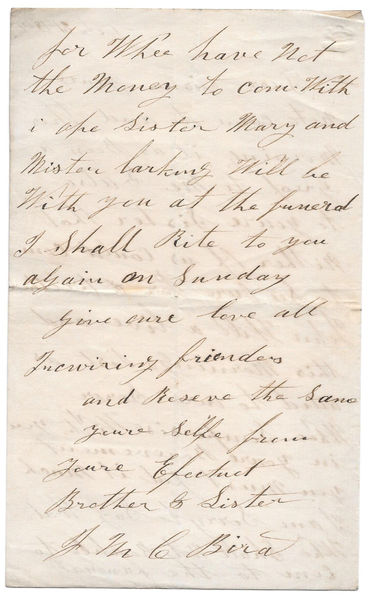
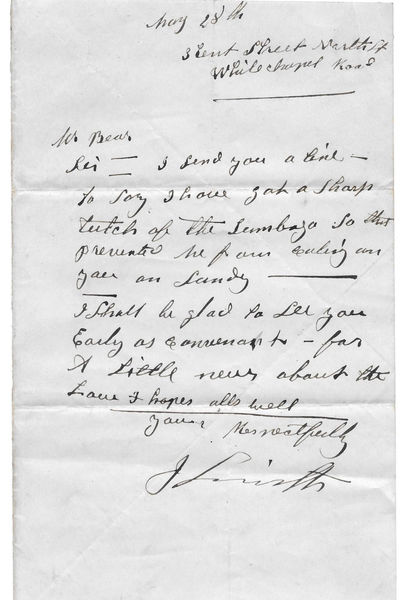
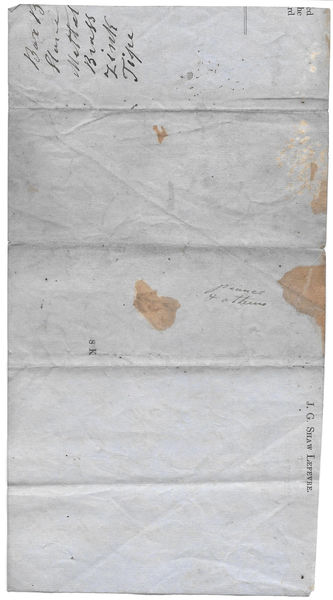
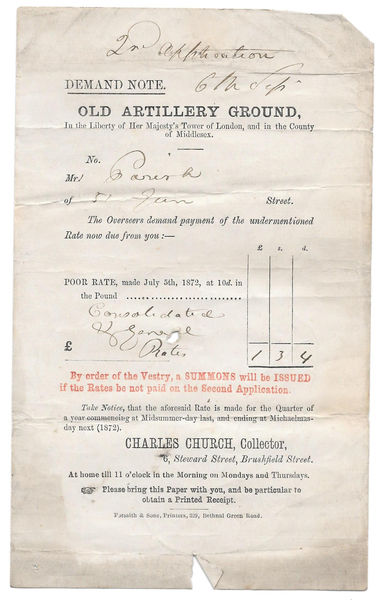
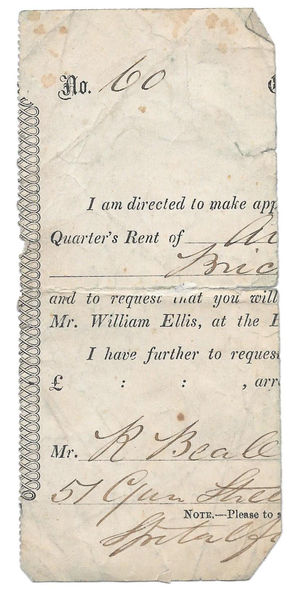
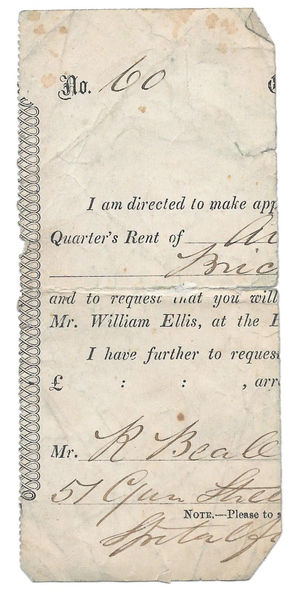
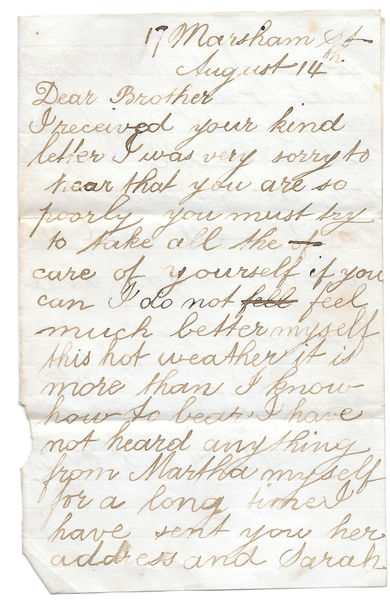
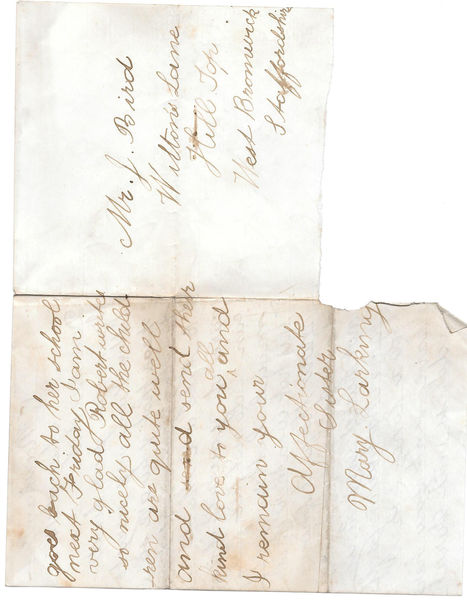
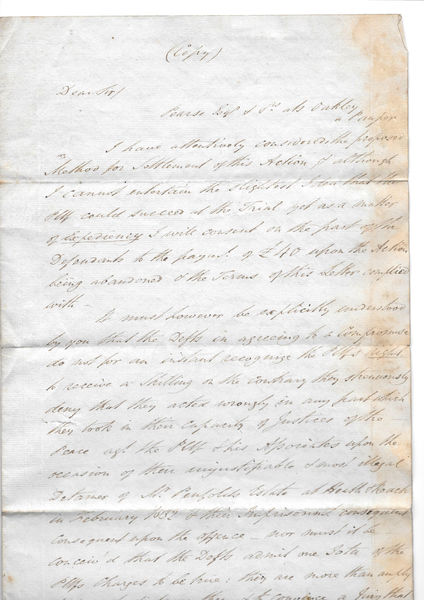
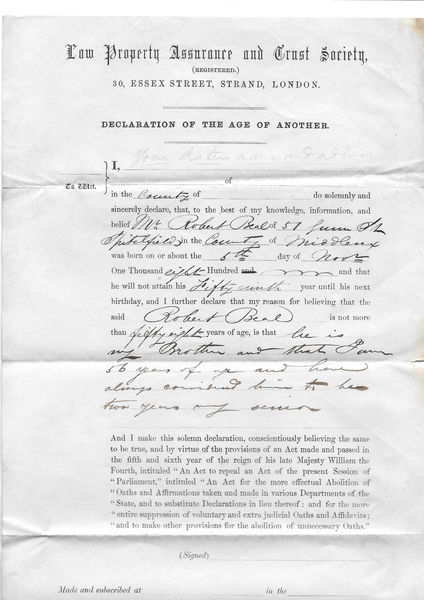
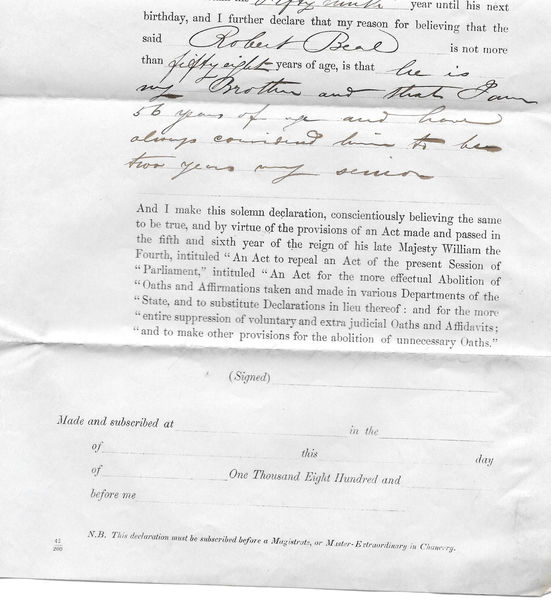
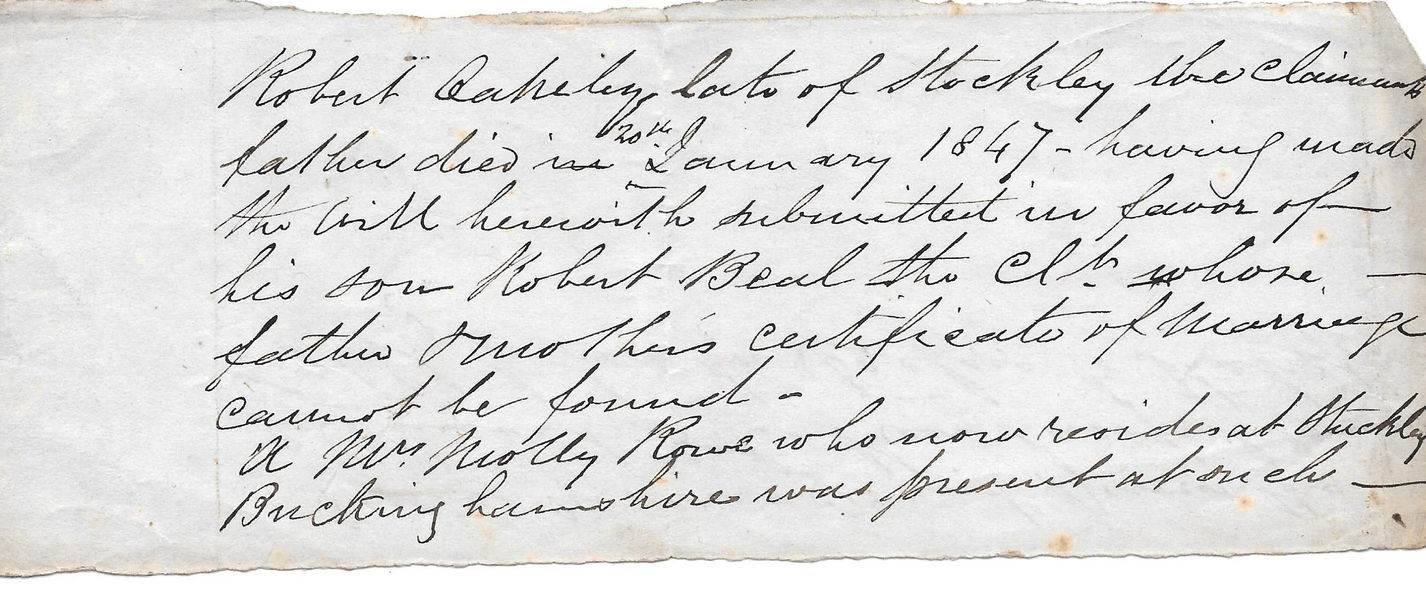
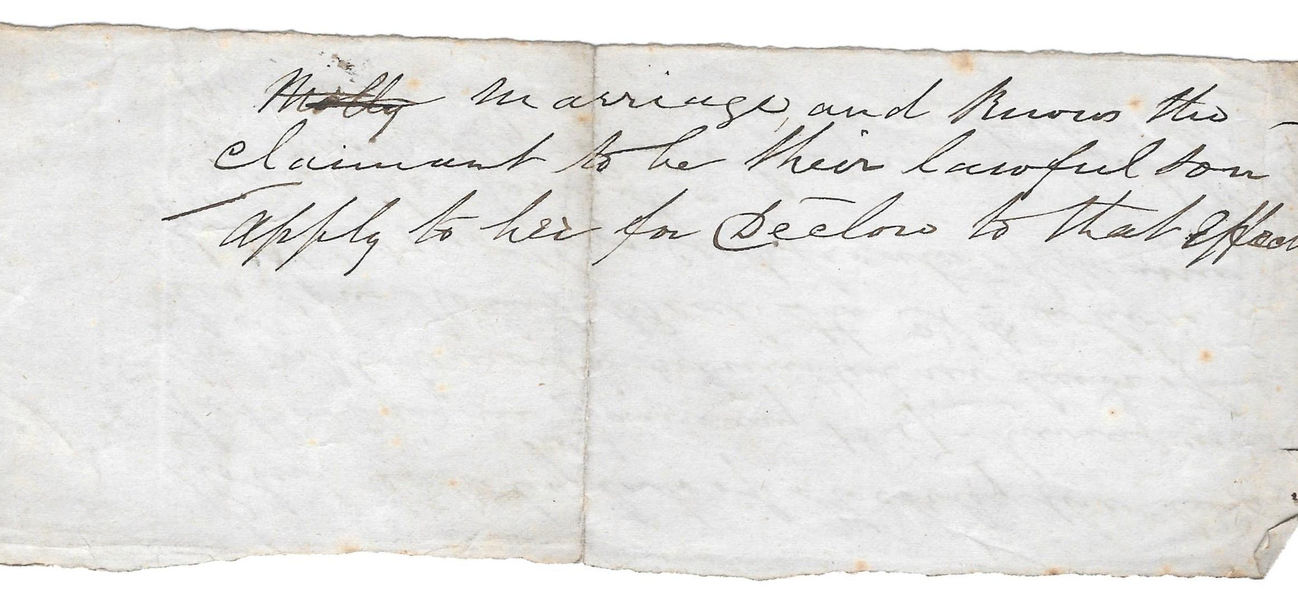
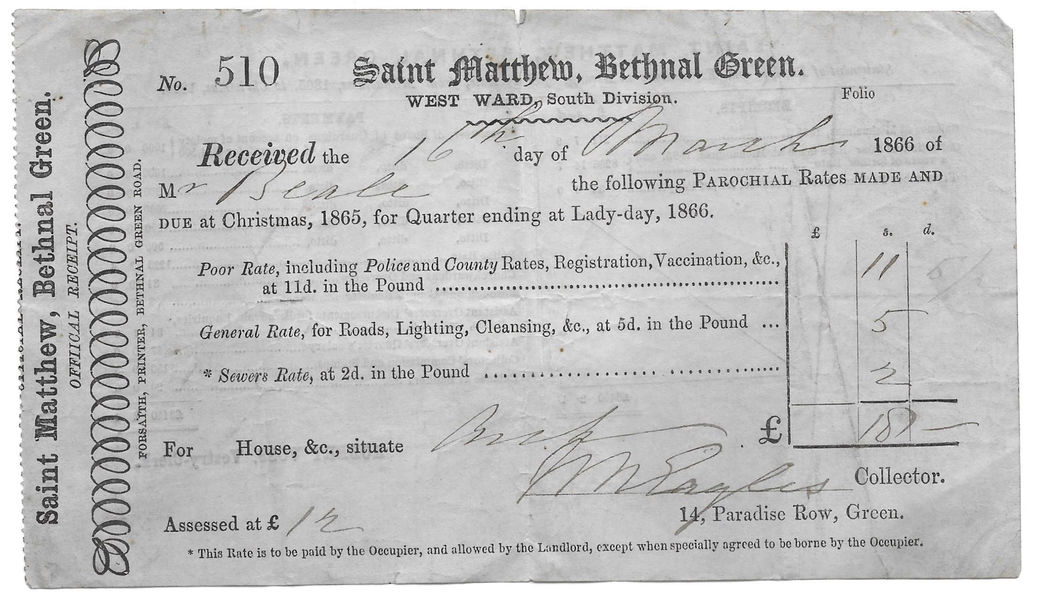
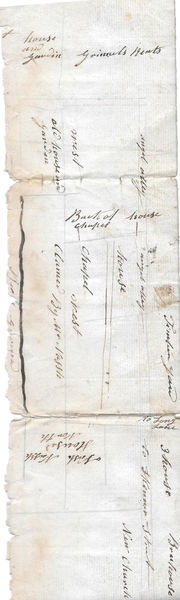
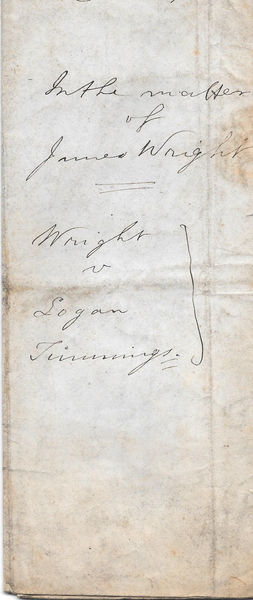
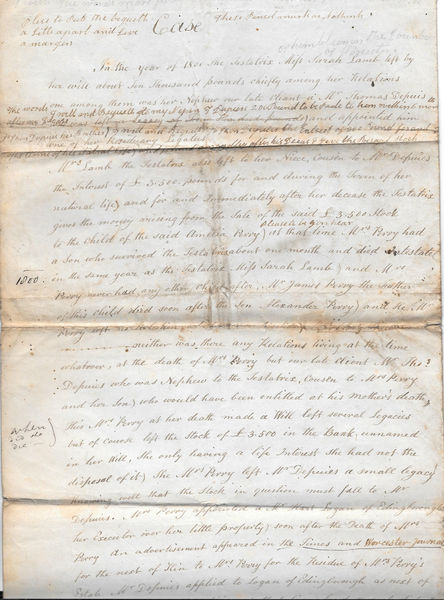
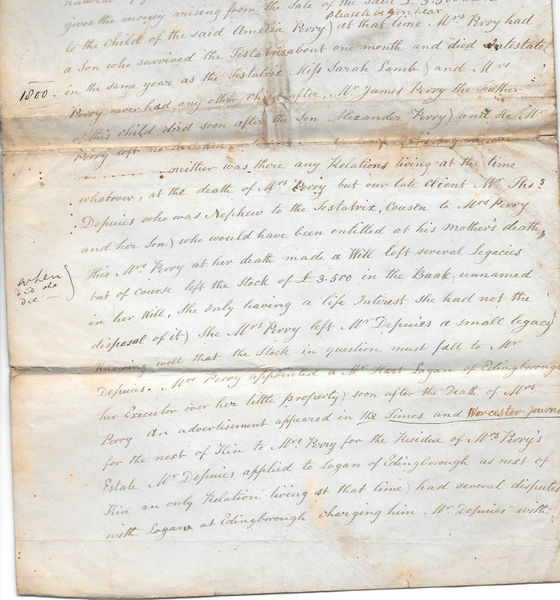
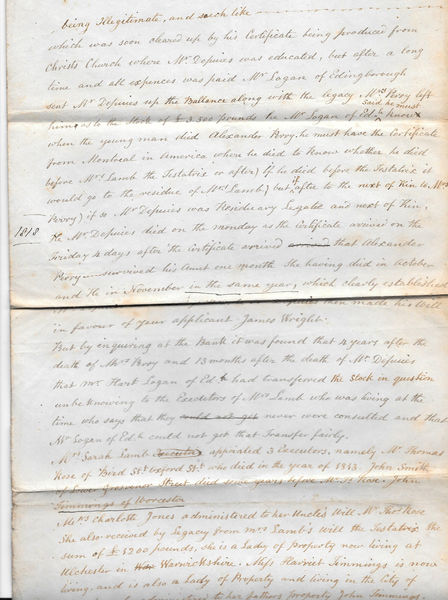
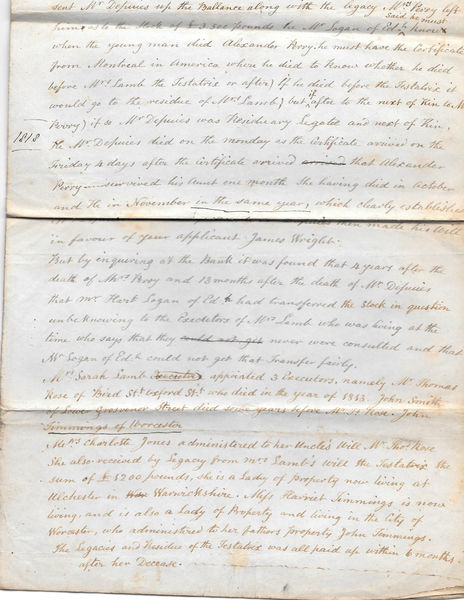
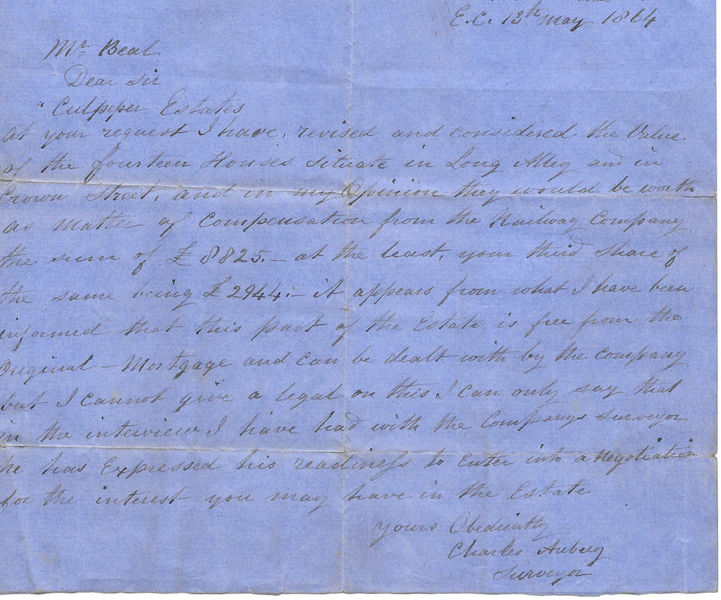
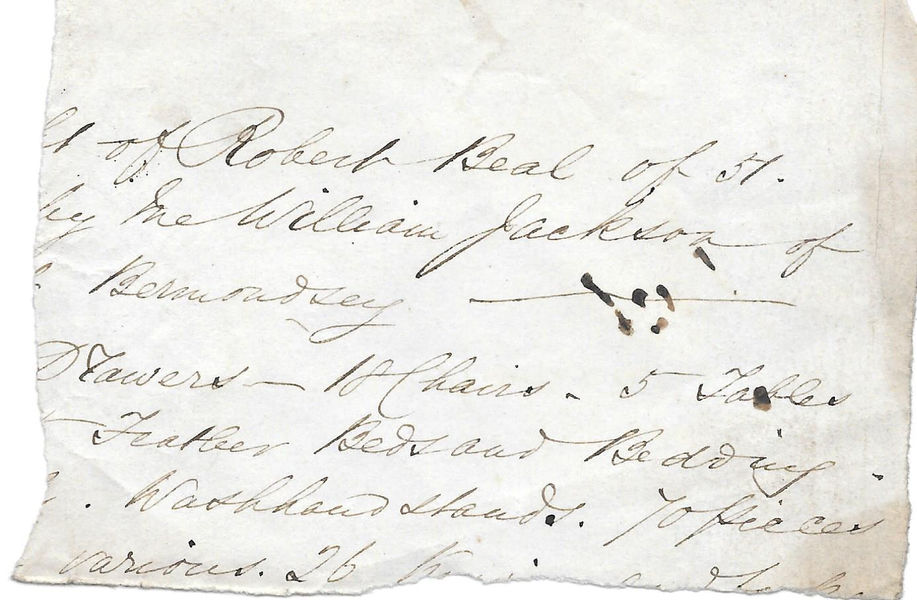
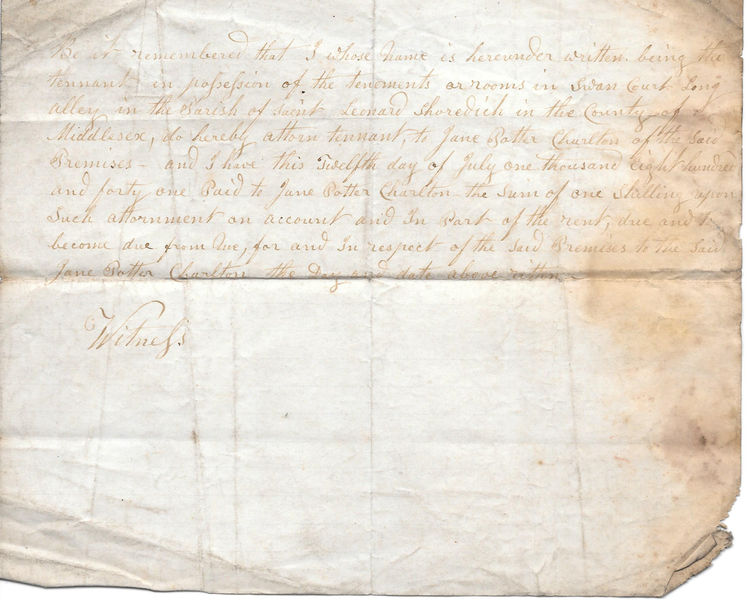
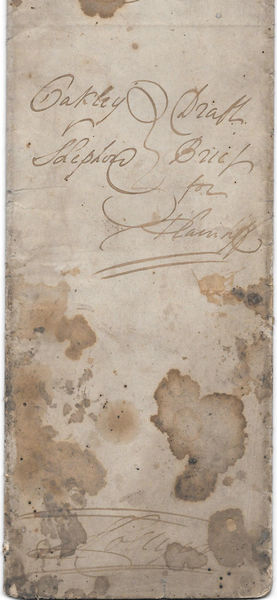
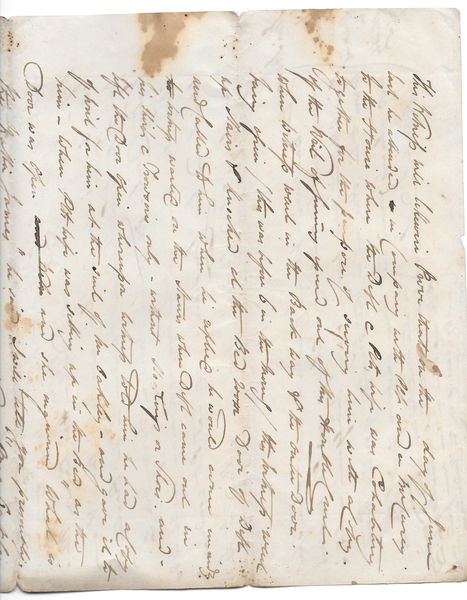
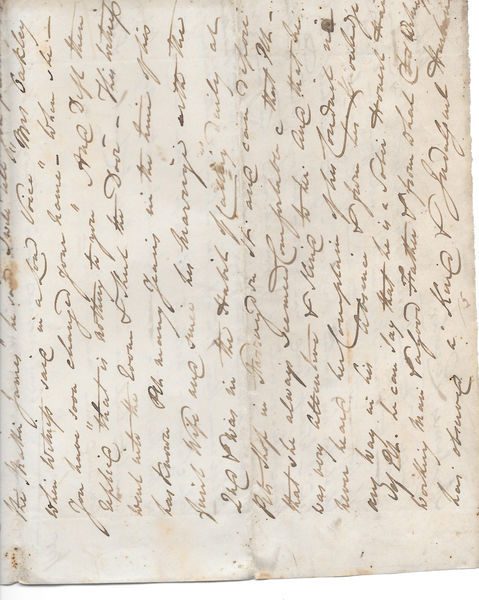
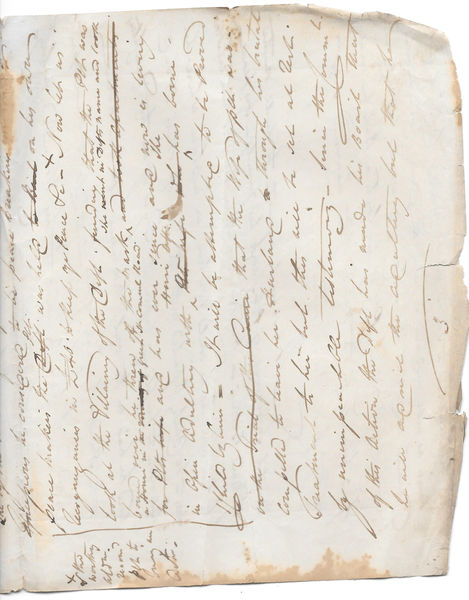
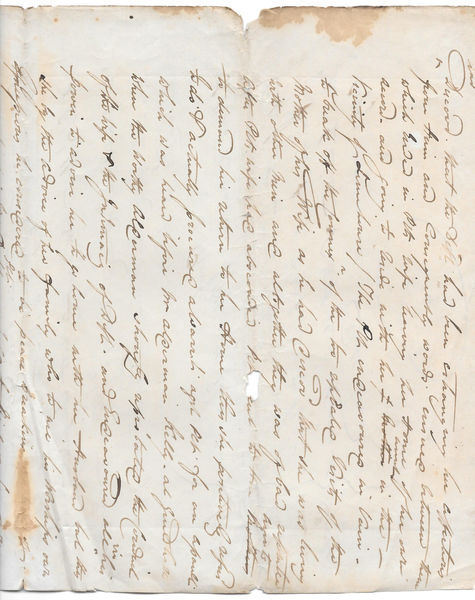
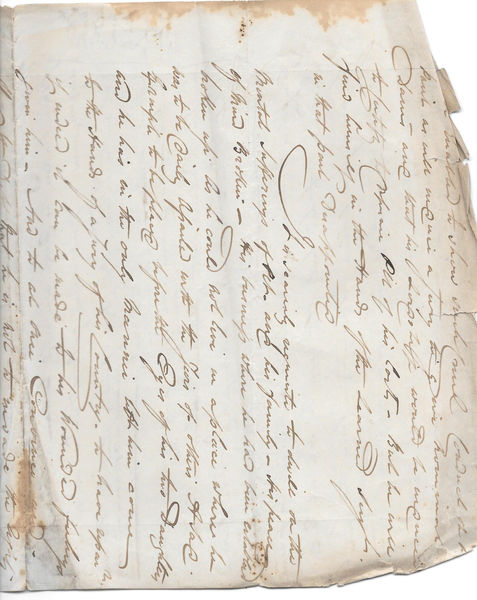
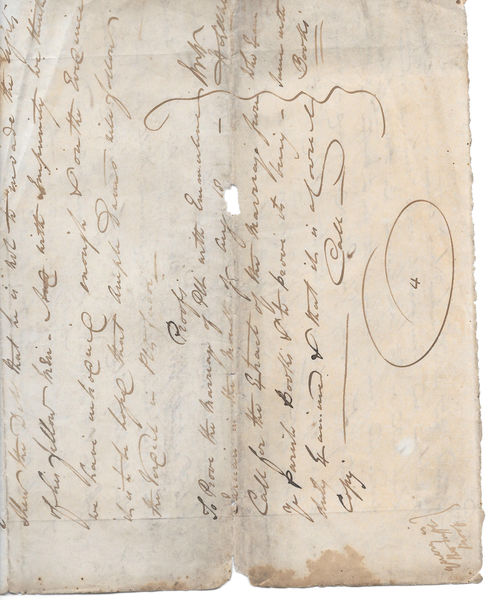
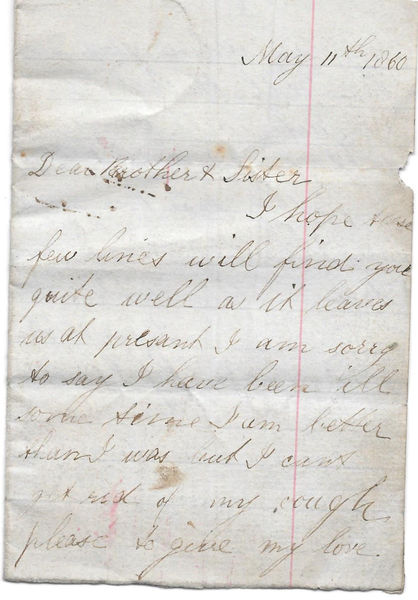
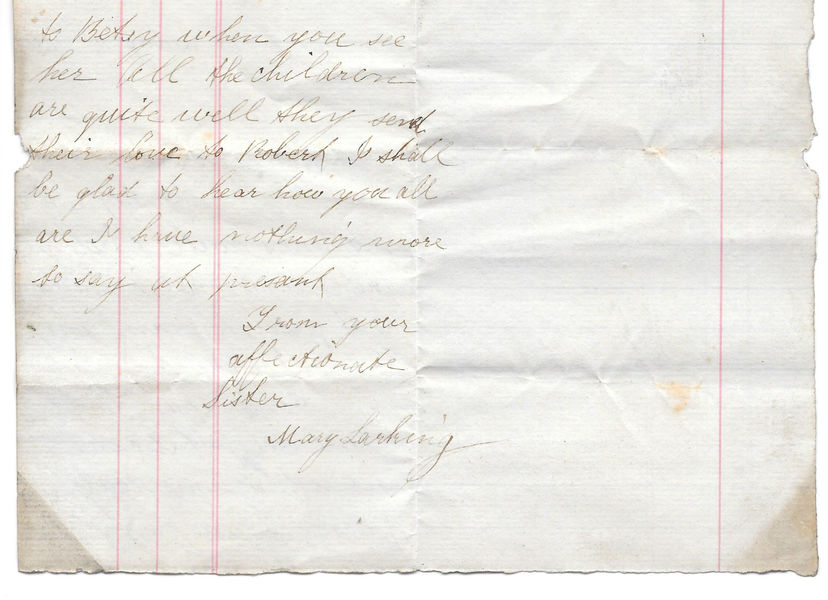
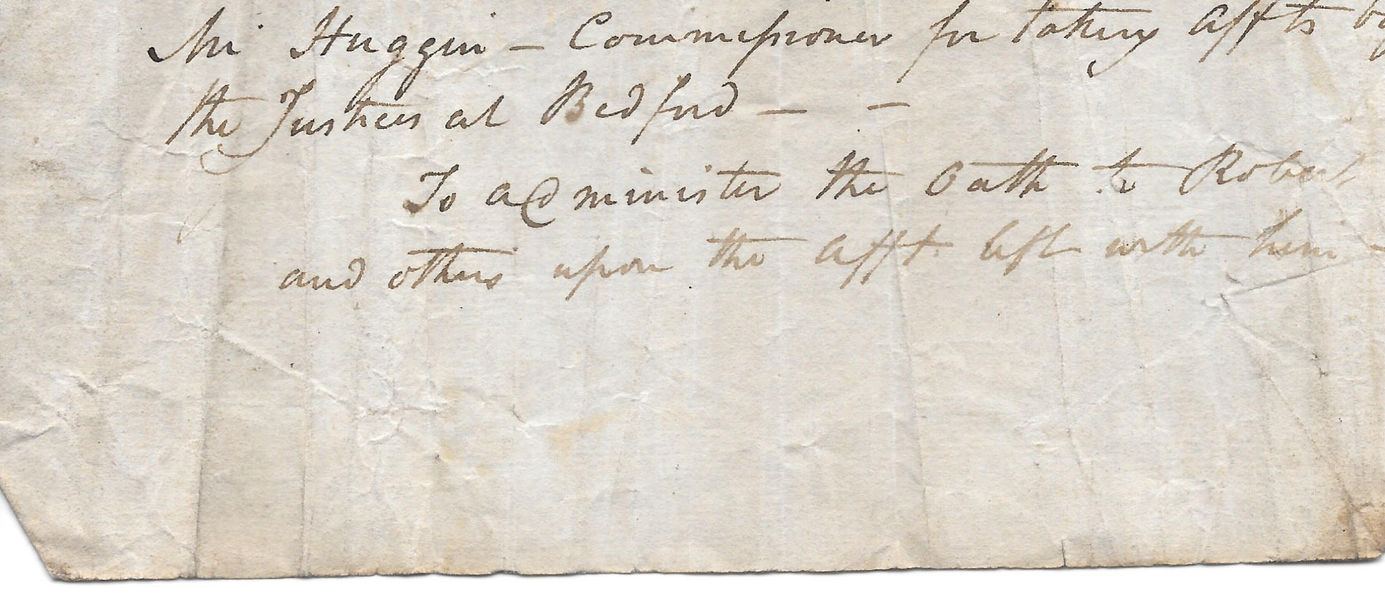
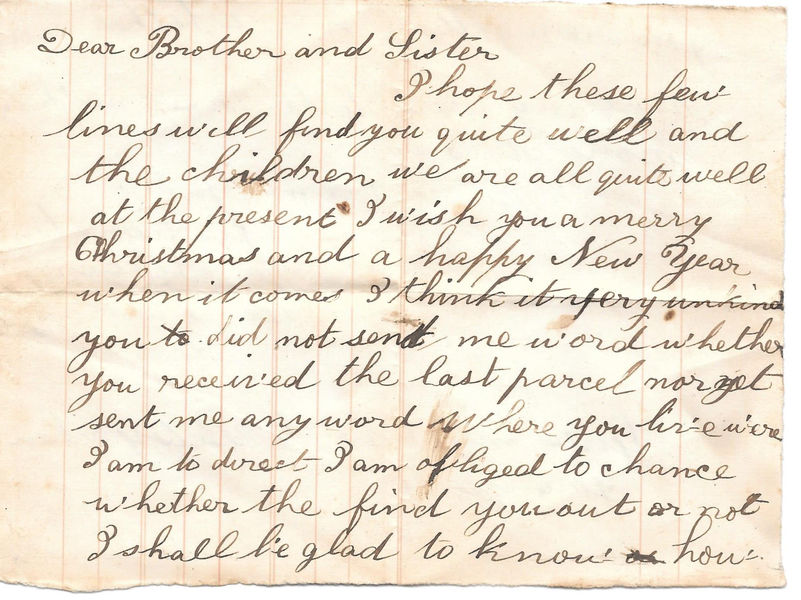
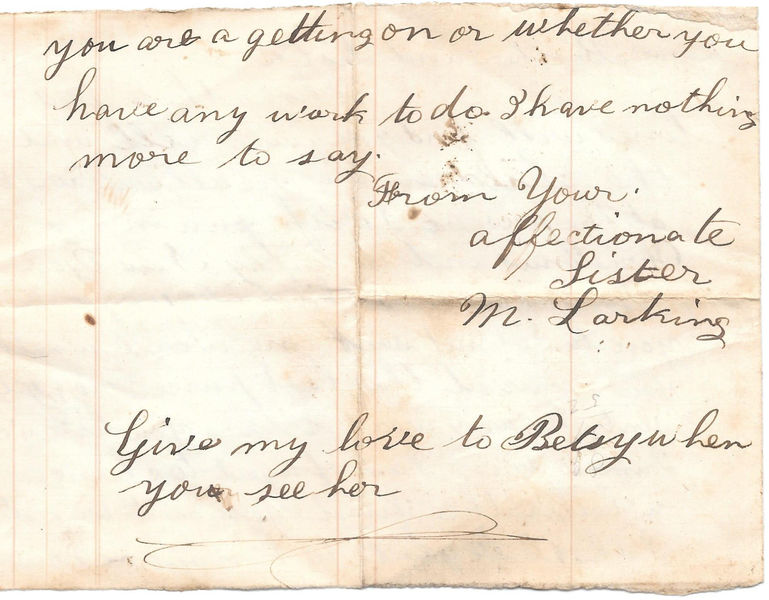
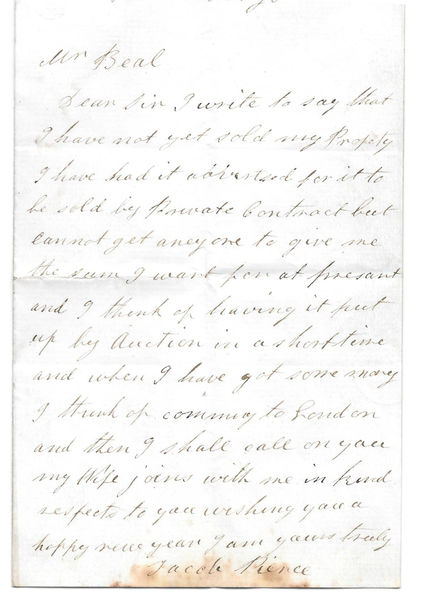
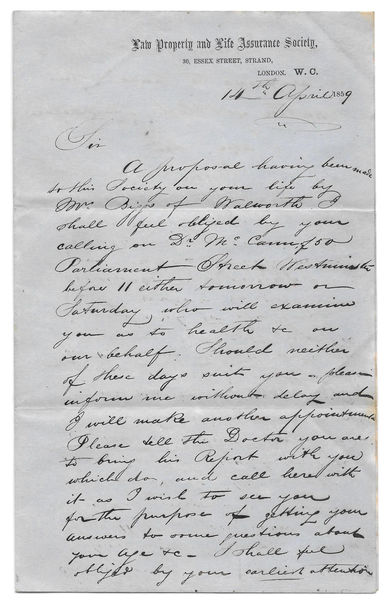
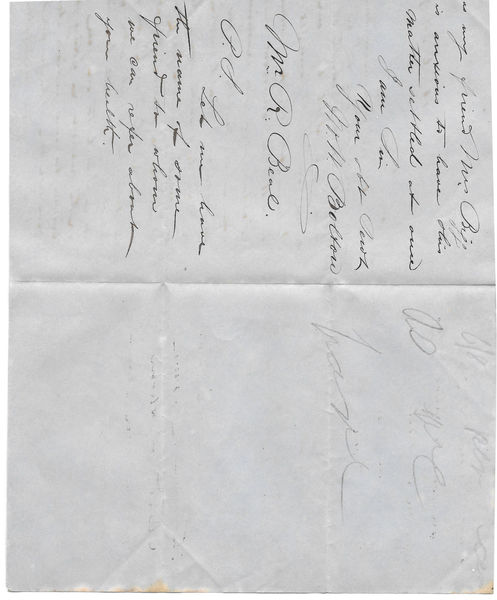
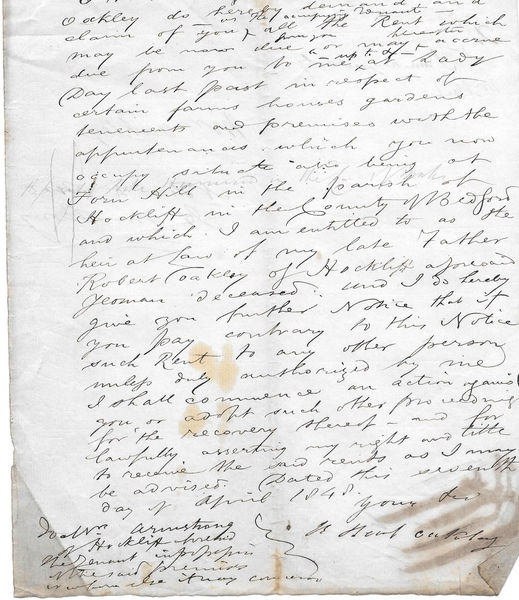
The history of the Beal–Oakley family does not survive in a single narrative, nor in a neatly ordered set of records. Instead, it emerges from a fragmented archive — a collection of original nineteenth-century documents that have endured in partial form: worn indentures, scattered correspondence, legal papers, and later personal writings. These materials do not tell their story directly. They must be read together, compared, and interpreted with care.
At the centre of this reconstruction stands a man who appears under several names — Robert Beale Oakley, Robert Oakley Beal, and ultimately Robert Beal. The variation is not incidental. It reflects a deeper uncertainty within the family itself, where identity, inheritance, and naming were not always fixed, and where the relationship between the Oakley and Beal names remains only partially understood.
What can be established with confidence is that Robert’s life bridged two very different worlds. He appears to have originated from a rural Bedfordshire background, connected to land and farming interests, yet by 1820 he was firmly present in London, where his life becomes more clearly documented — and increasingly complex. Over the following decades, he would marry multiple times, become entangled in legal and personal disputes, and ultimately be convicted of bigamy. His later years, preserved only in brief and restrained writings, suggest a life diminished by confinement and circumstance.
This archive does not offer a complete biography. It offers something more demanding: a series of surviving fragments from which a life must be carefully reconstructed. Some elements can be firmly proven. Others remain strongly suggested but not yet confirmed. A number of crucial details — including aspects of his parentage and early family structure — remain unresolved.
A life of property, marriage, dispute, bigamy and later confinement, reconstructed from a disordered nineteenth-century archive in which Robert appears variously as Robert Oakley Beal, Robert Beale Oakley and Robert Beal.
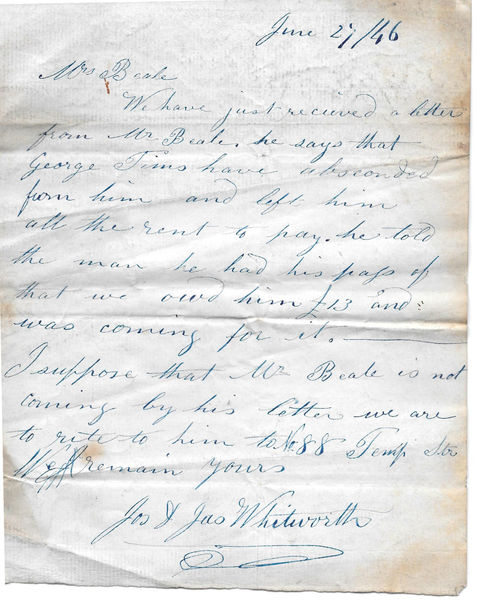
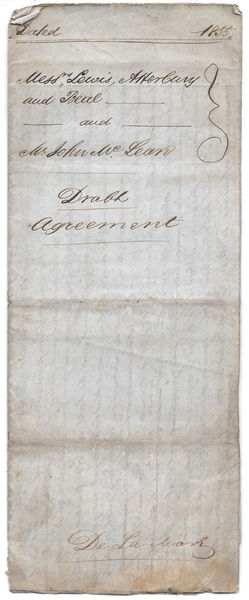
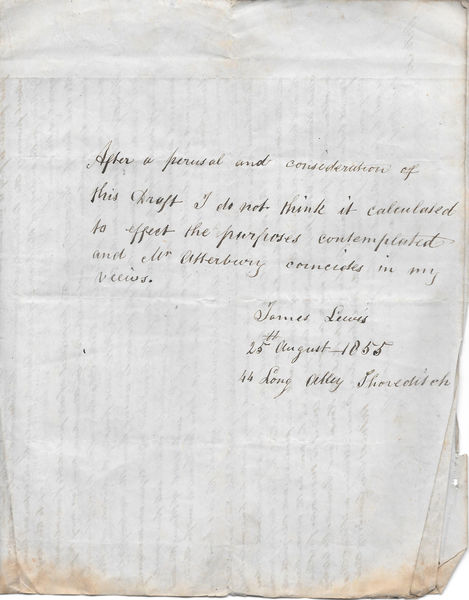
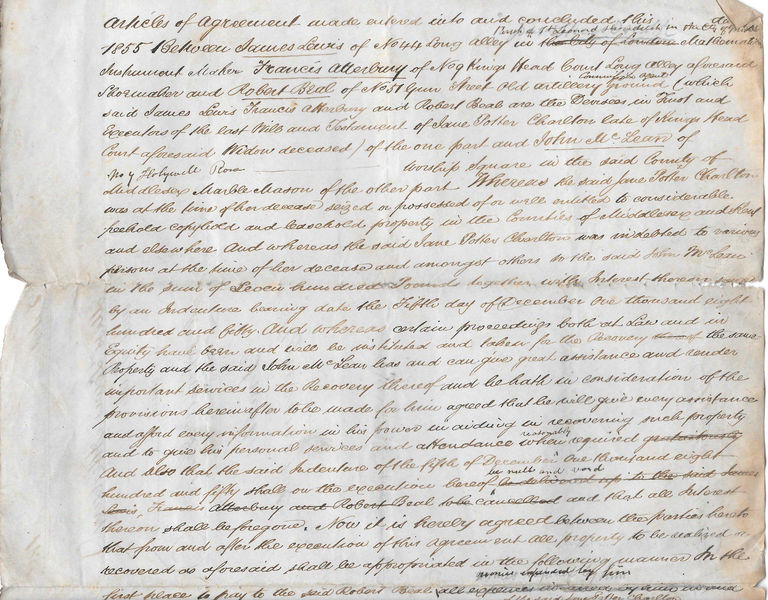
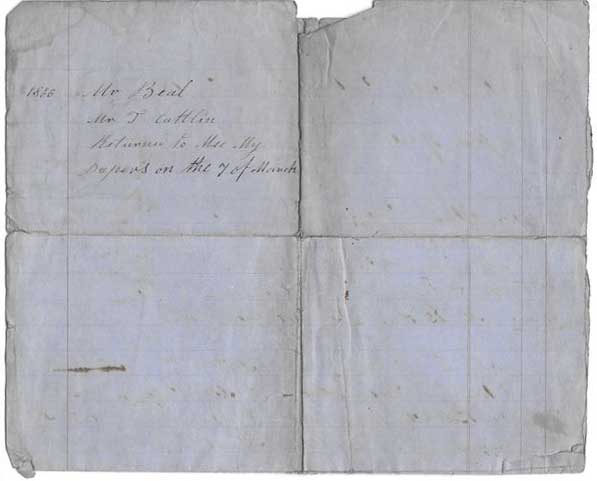
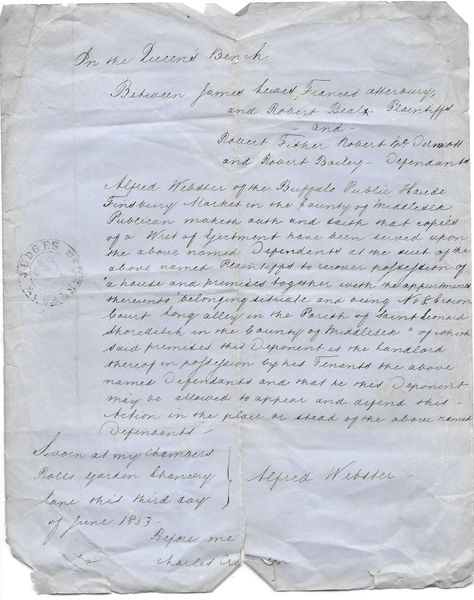
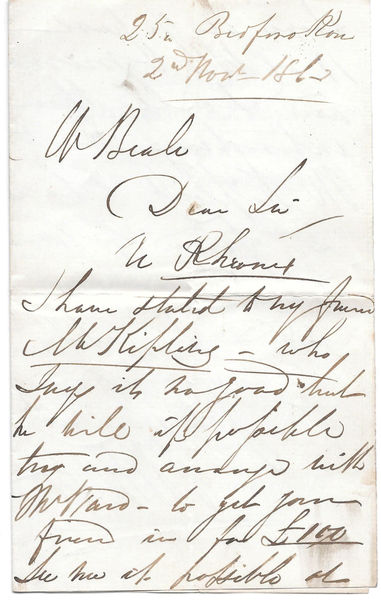
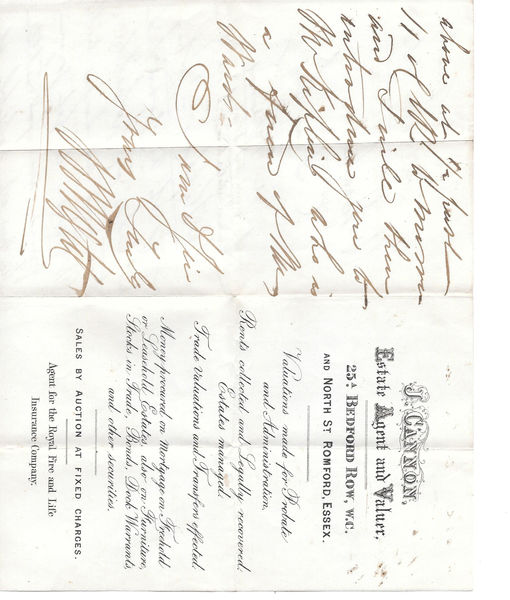
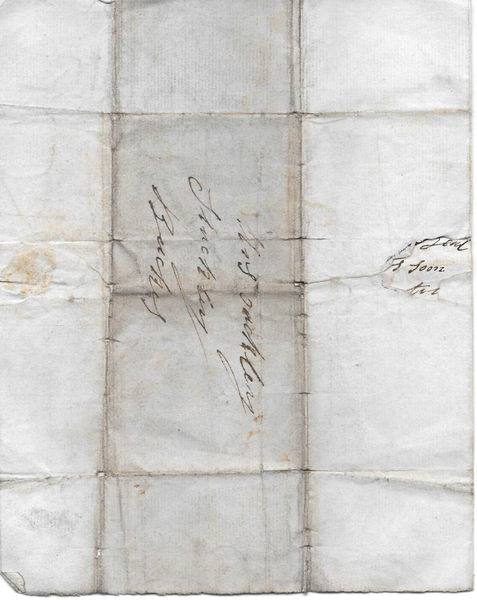
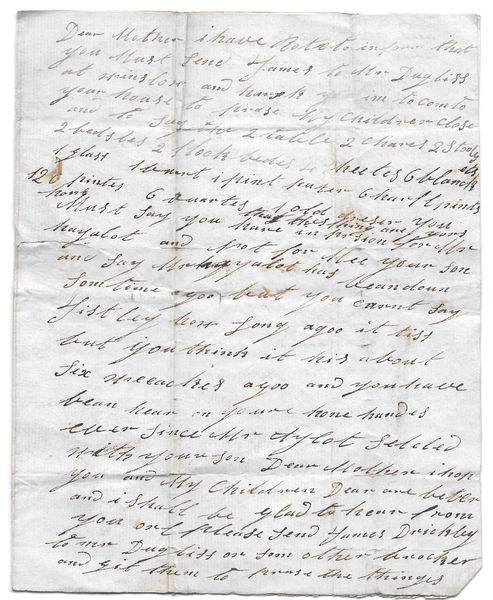
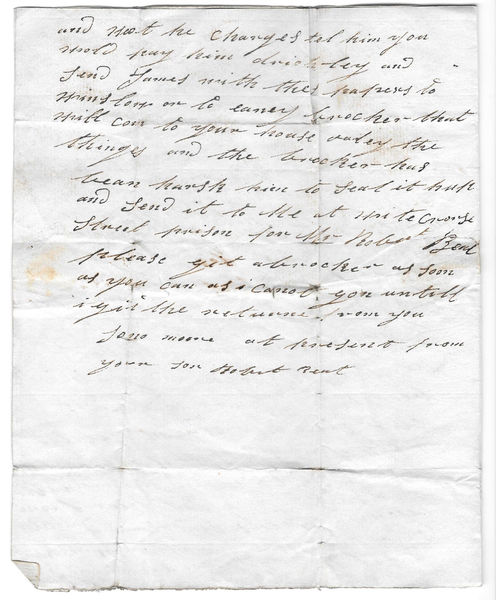
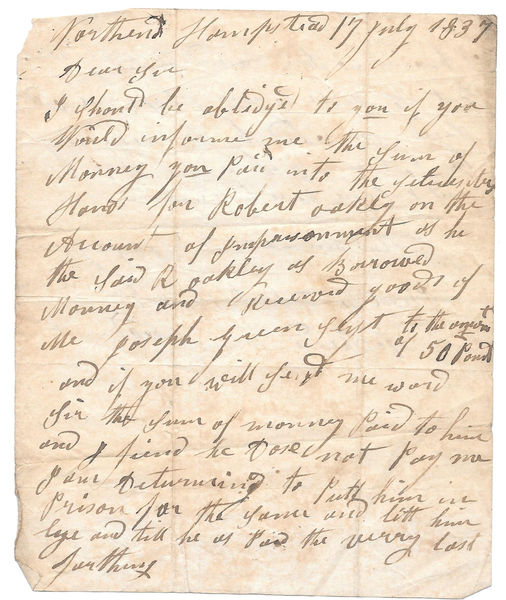
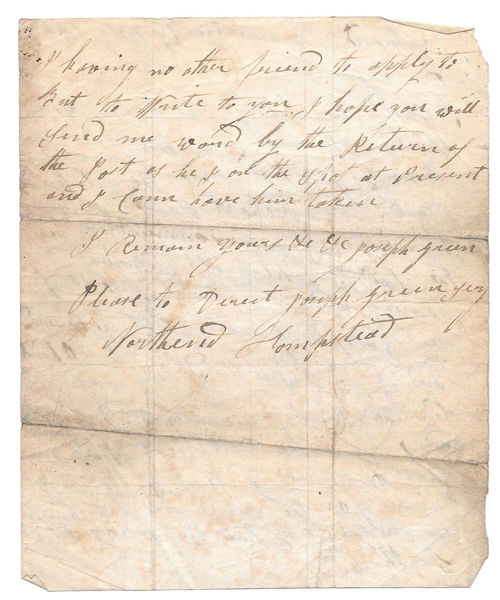
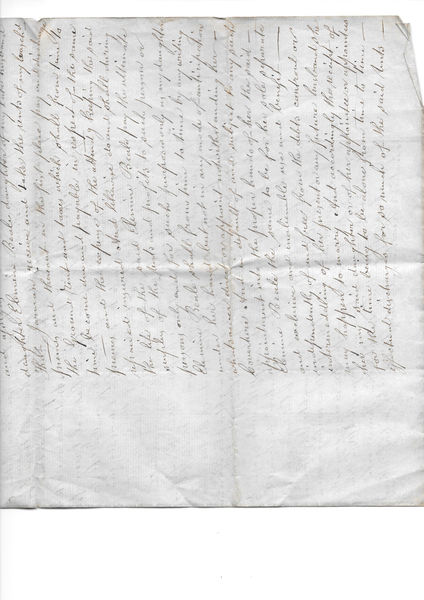
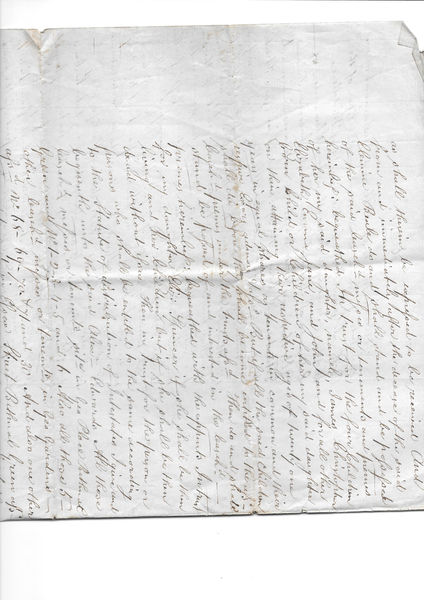
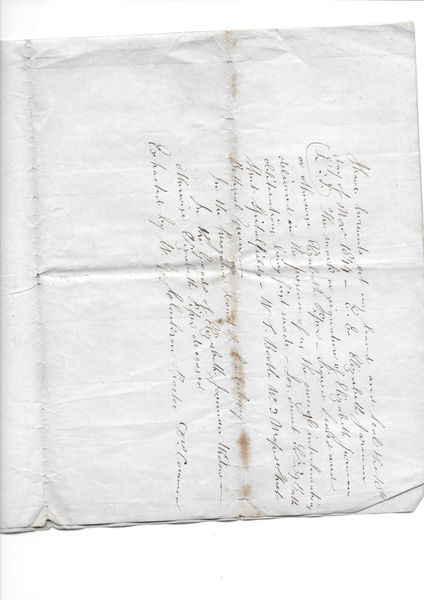
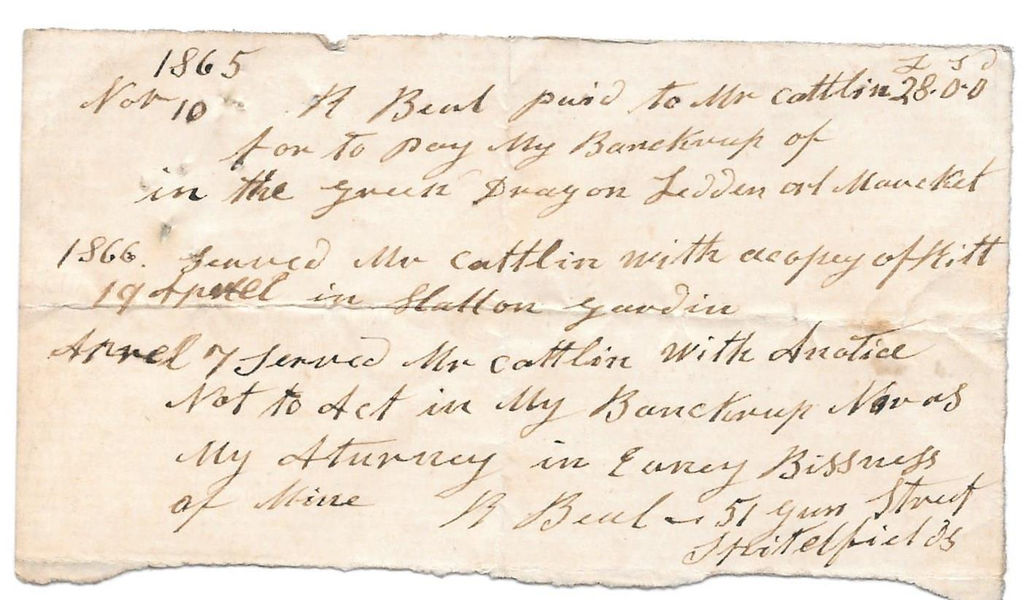
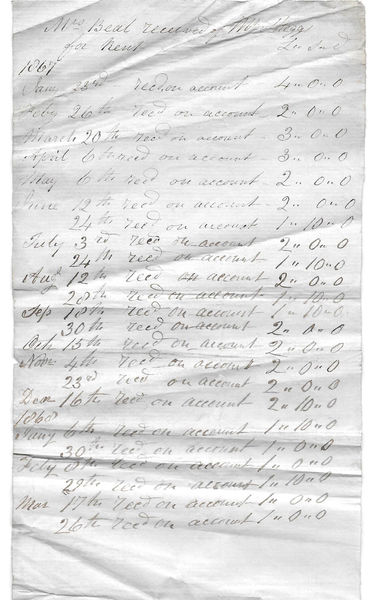
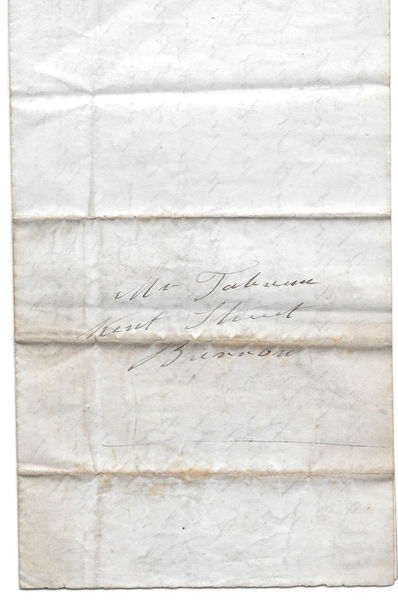
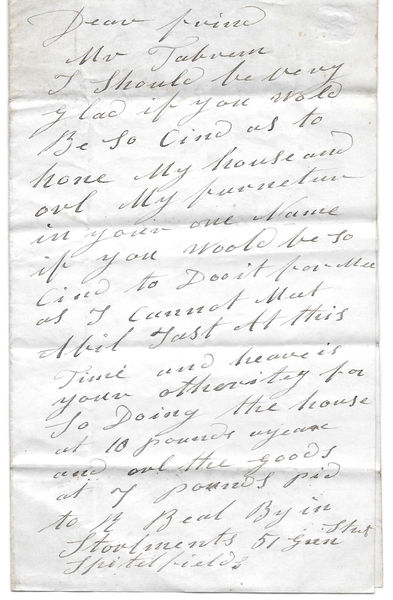
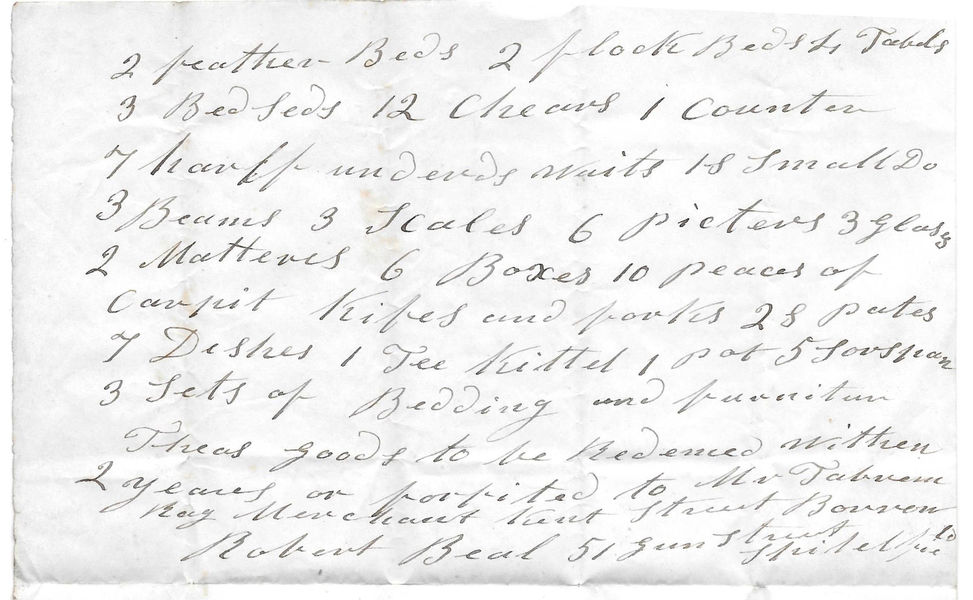
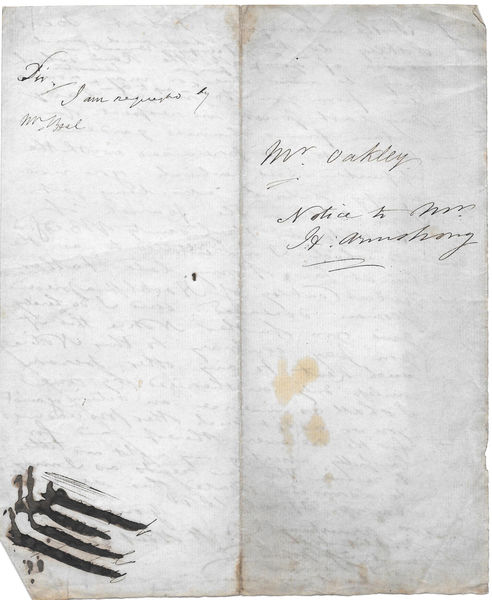
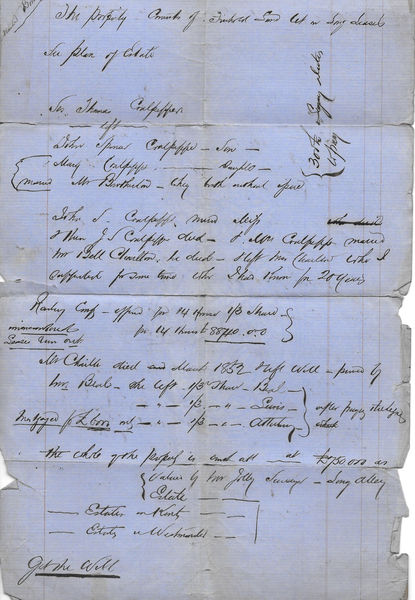
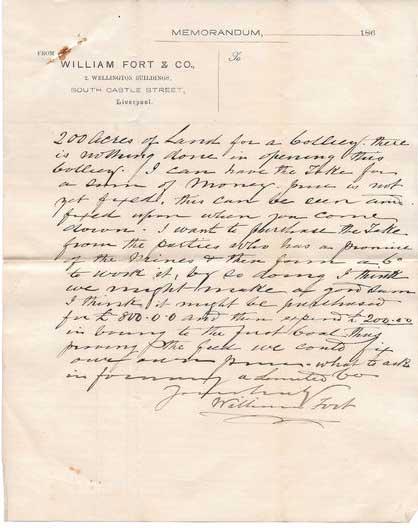
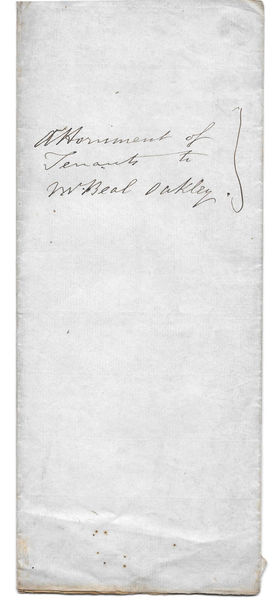
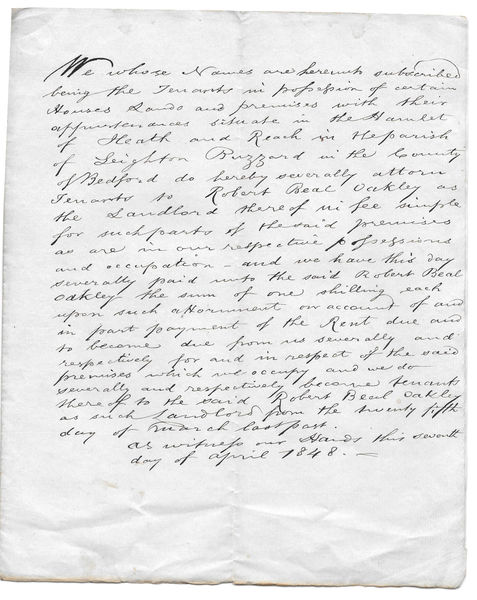
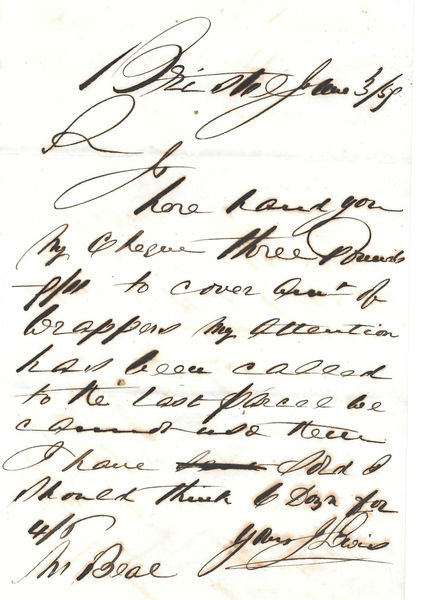
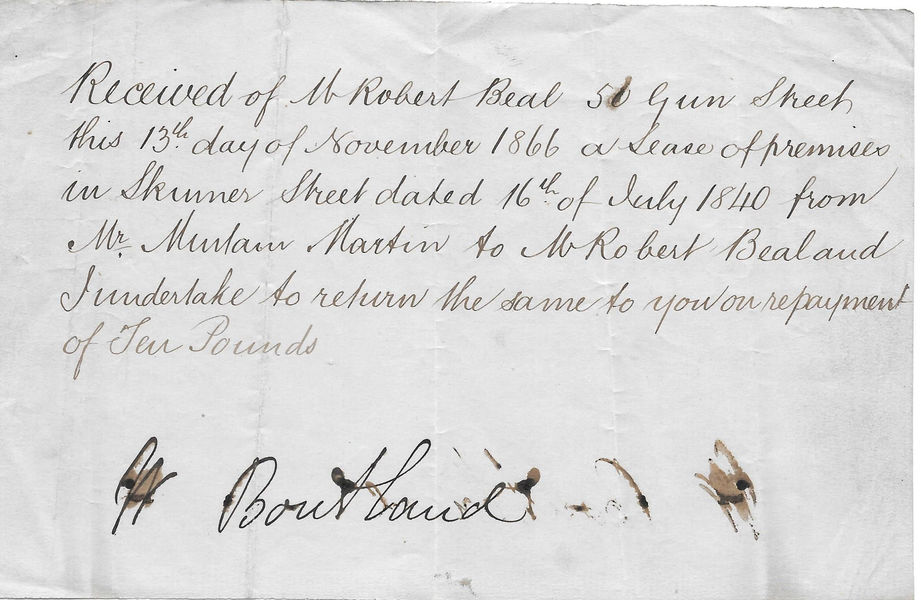
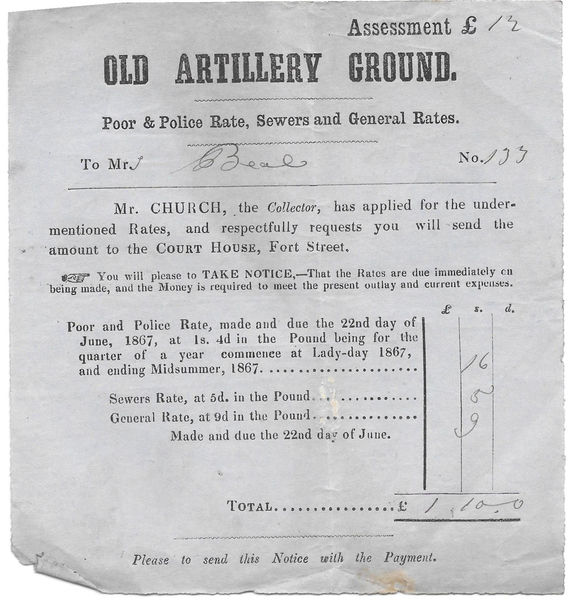
The life of Robert Beal does not survive in one tidy bundle. It survives in scattered leaves: worn indentures, family papers, property letters, legal fragments, and later notes written under the pressure of confinement. Read separately, they appear disjointed. Read together, they reveal the outline of a man whose life moved from rural association and property concerns into marital scandal, prosecution and decline.
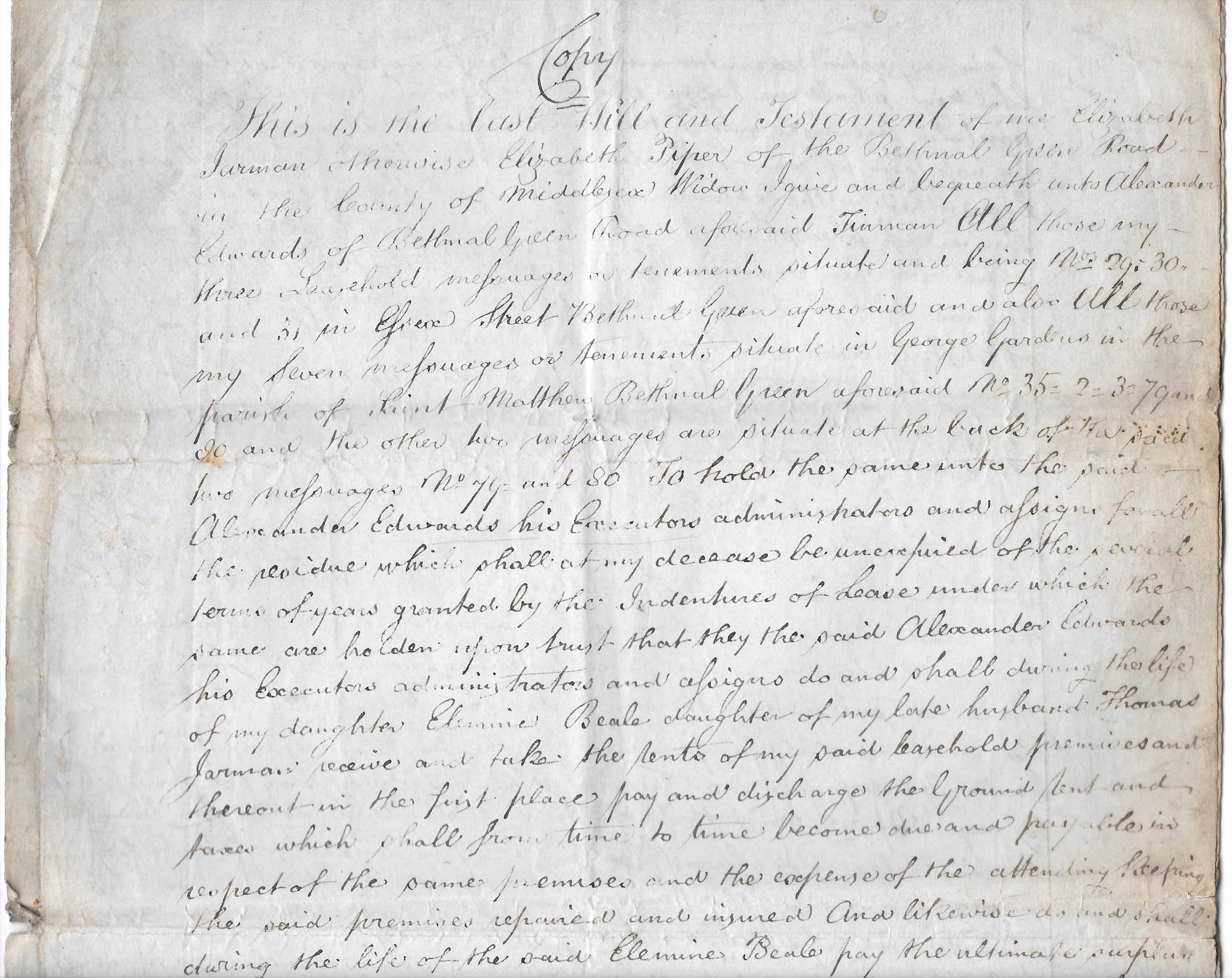
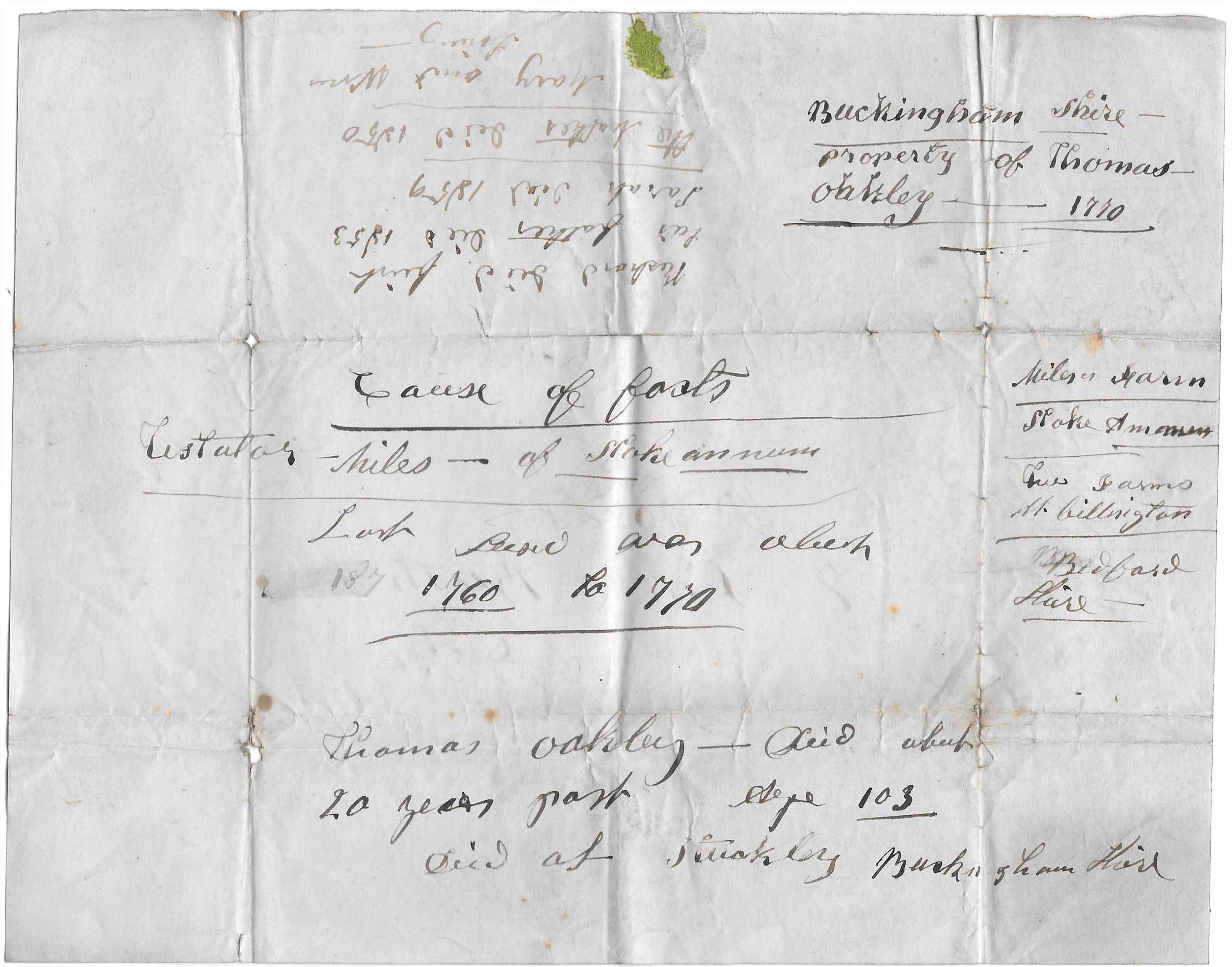
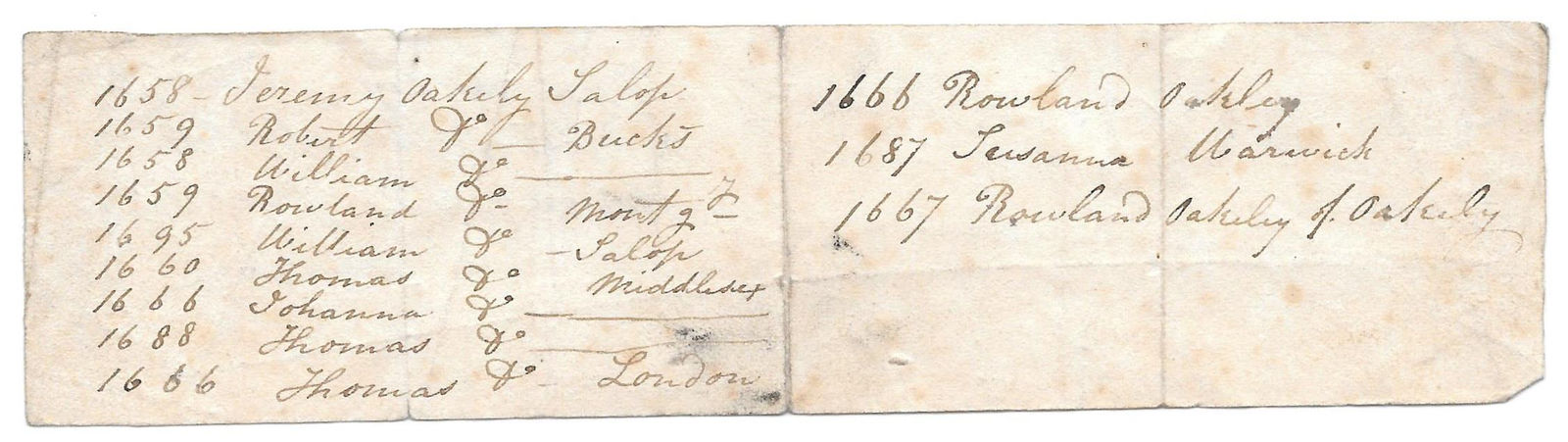
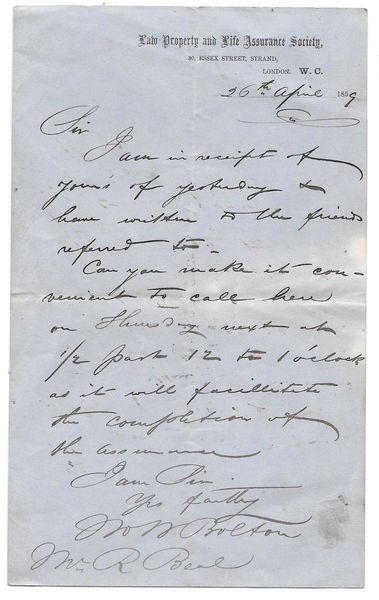
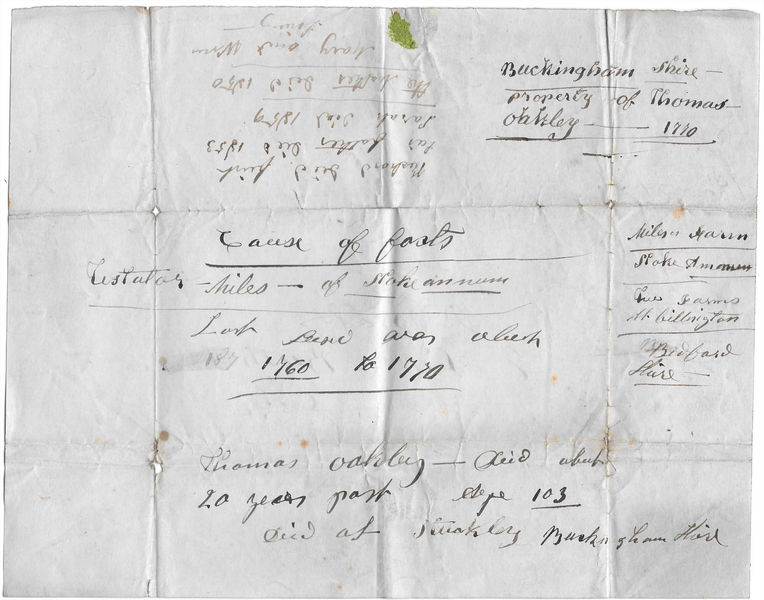
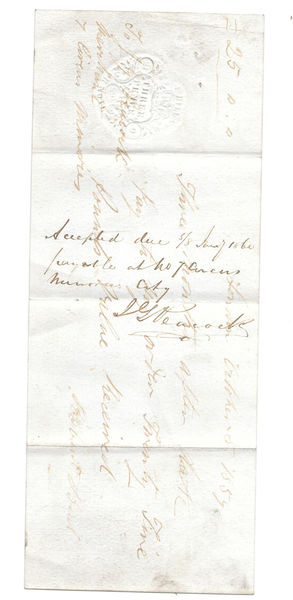
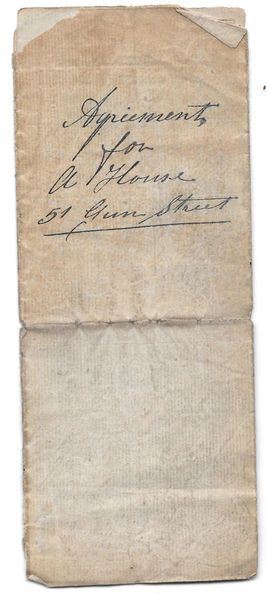
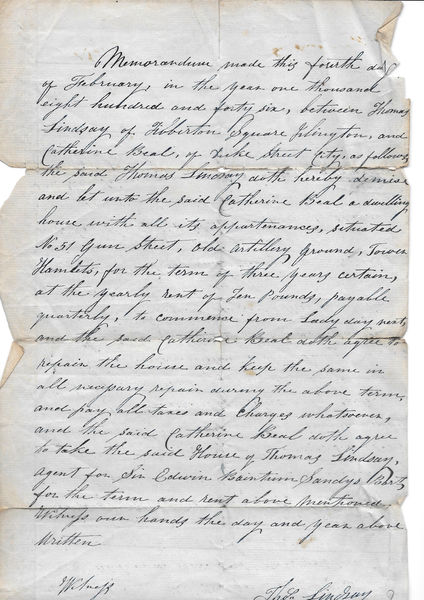
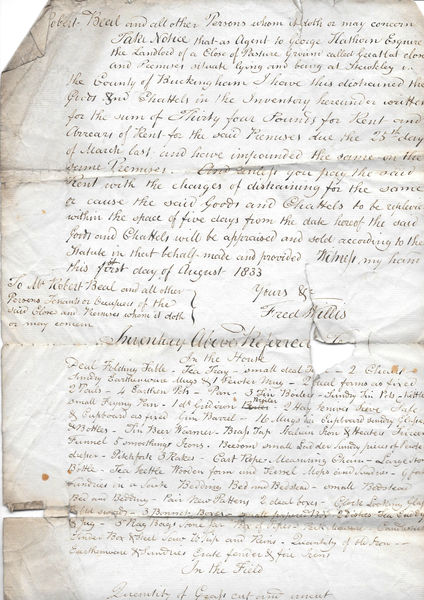
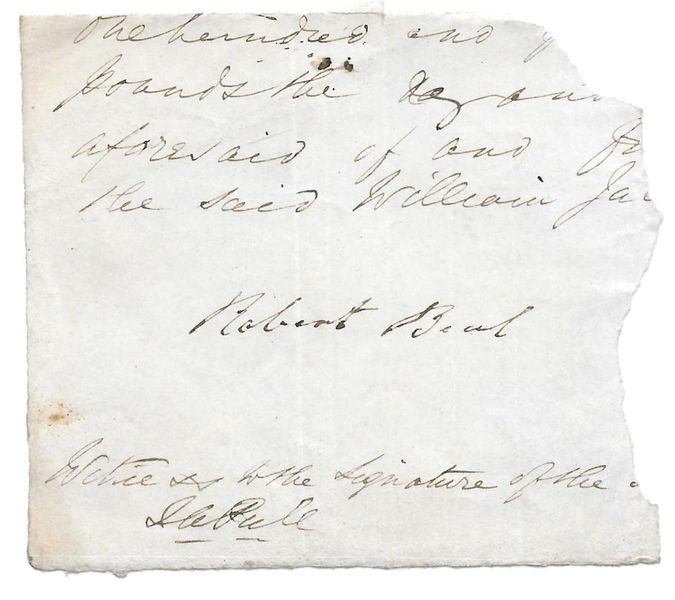
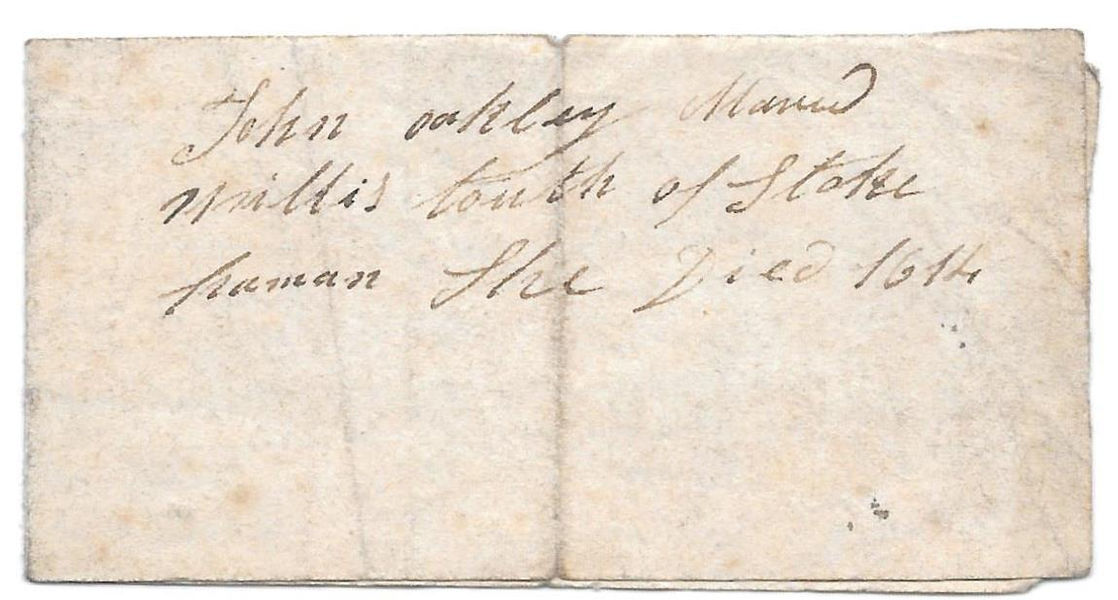
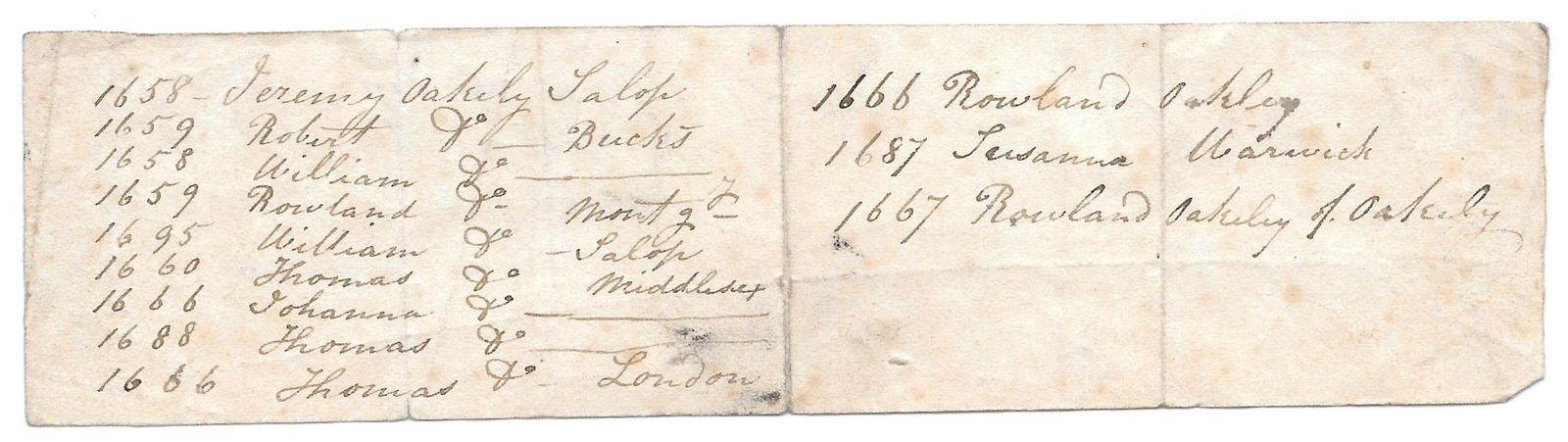
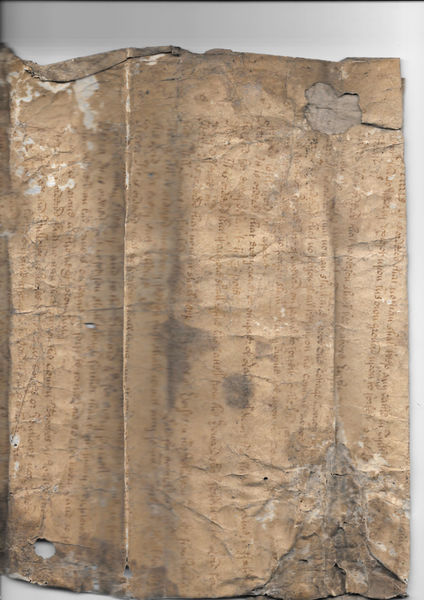
Some of the earliest items, including doc01.1, doc01.3 and doc01.5, suggest obligations and family arrangements that long pre-date Robert’s best-documented adult years. These pieces are physically worn and in places difficult, but they establish an important point at once: the Beal and Oakley names belong to a deeper family background and are not merely casual variants introduced later.
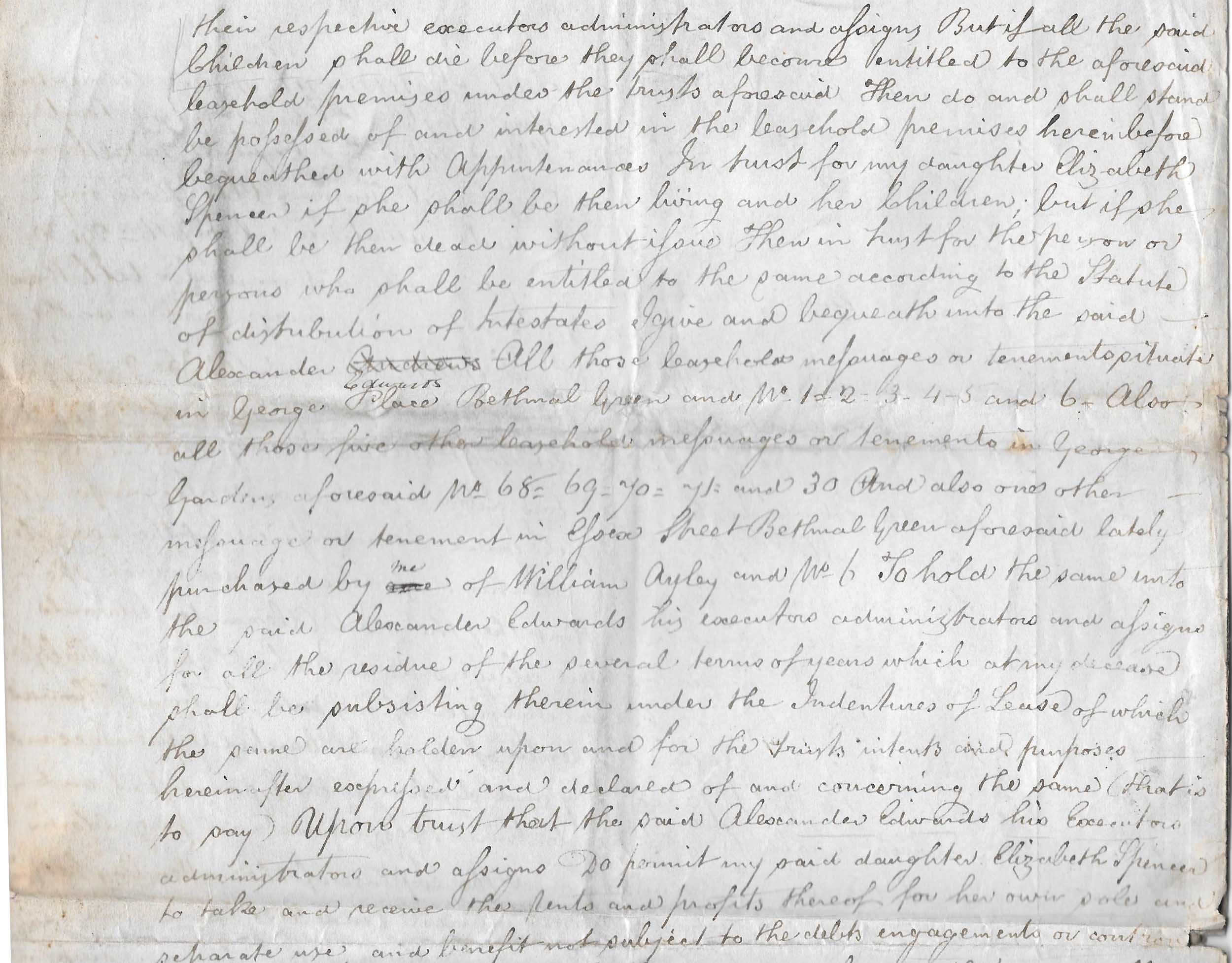
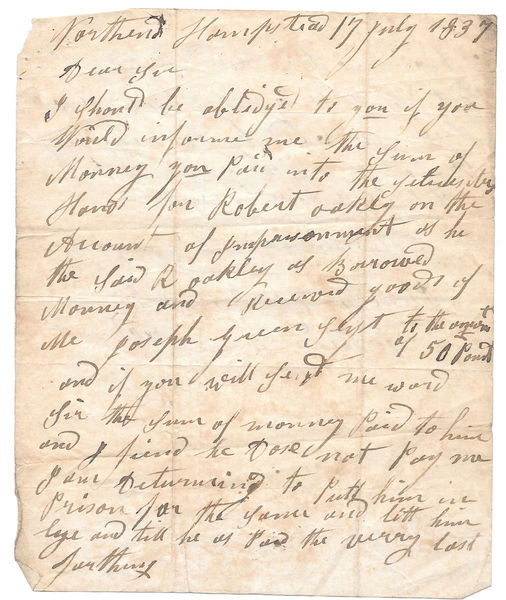
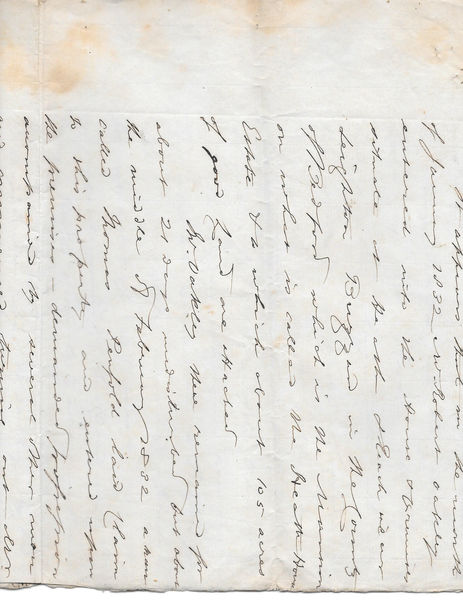
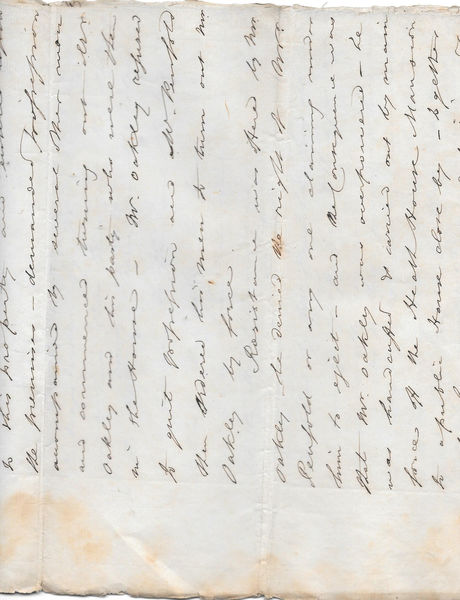
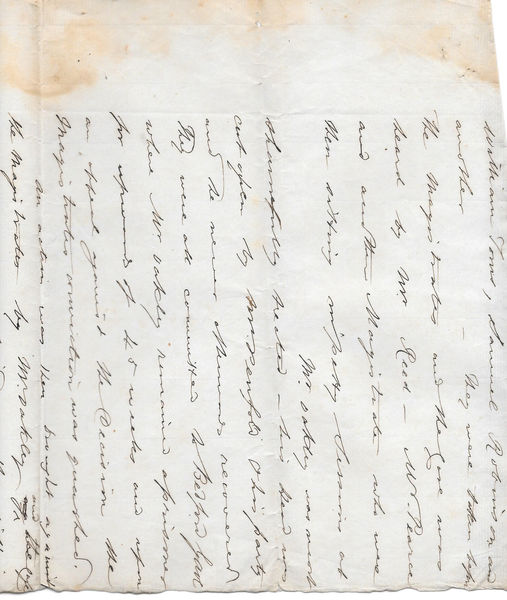
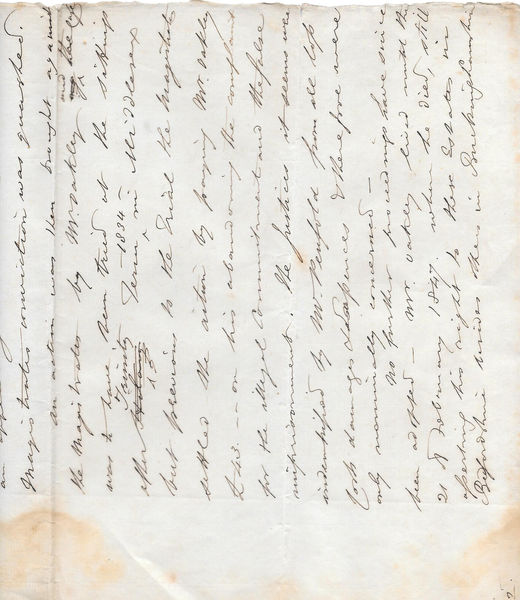
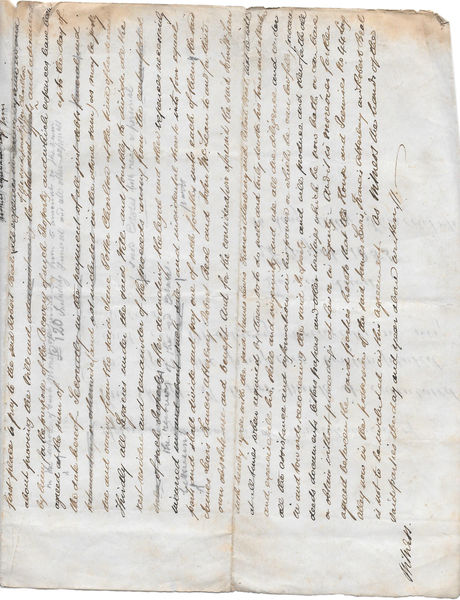
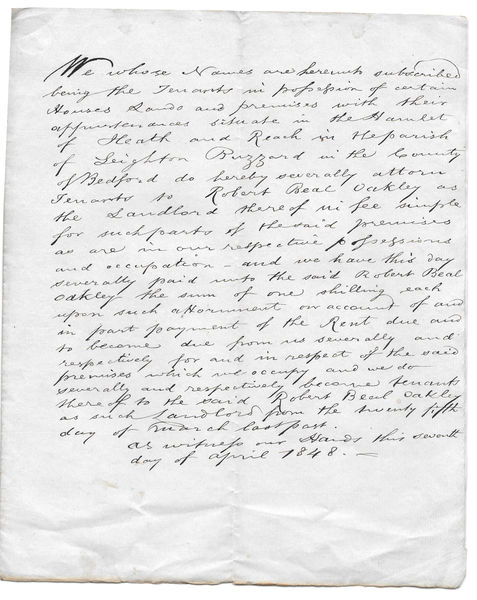
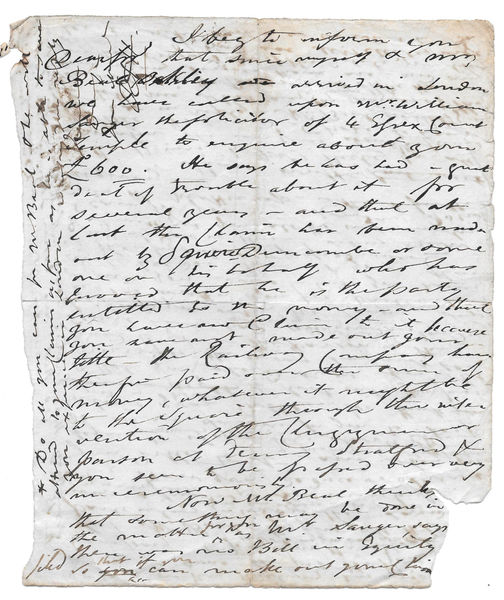
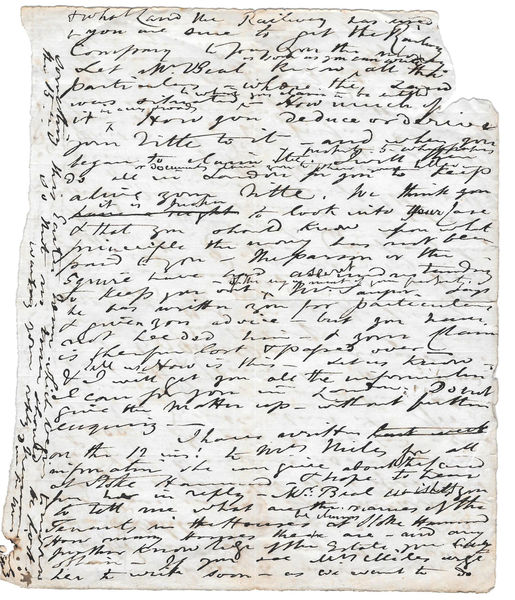
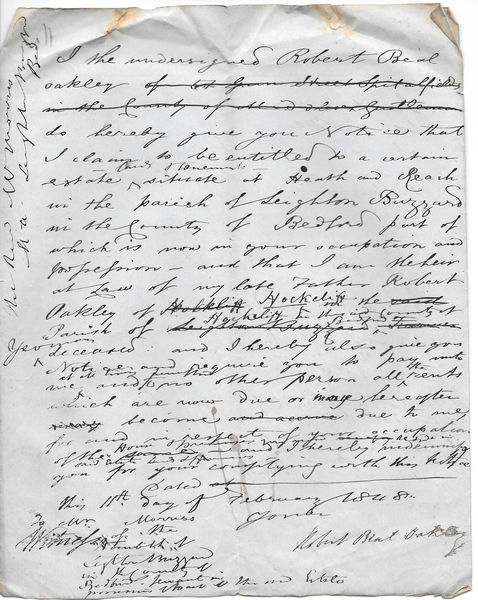
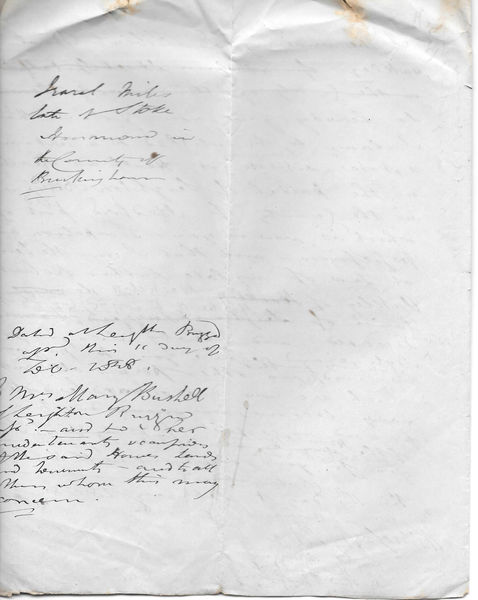
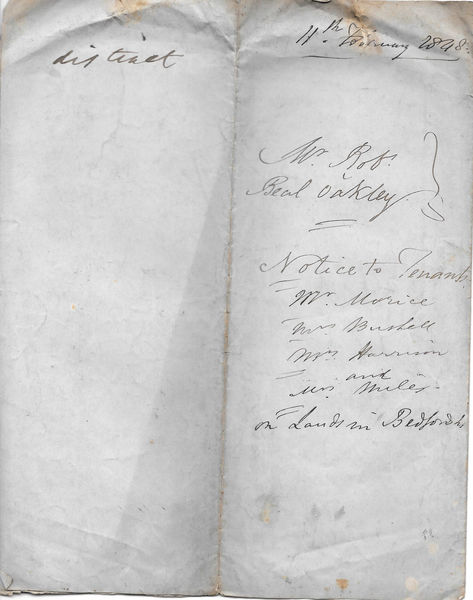
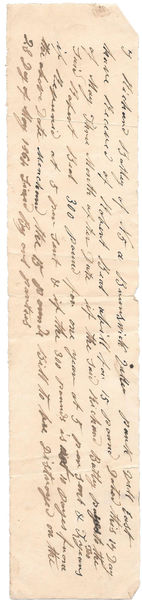
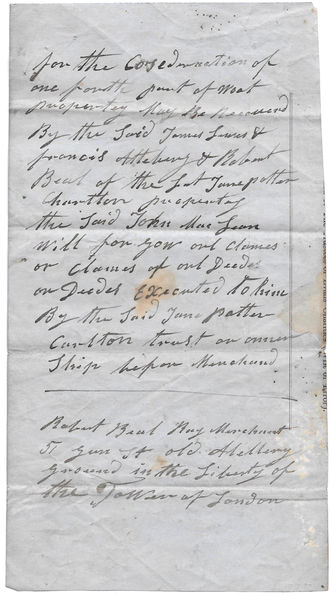
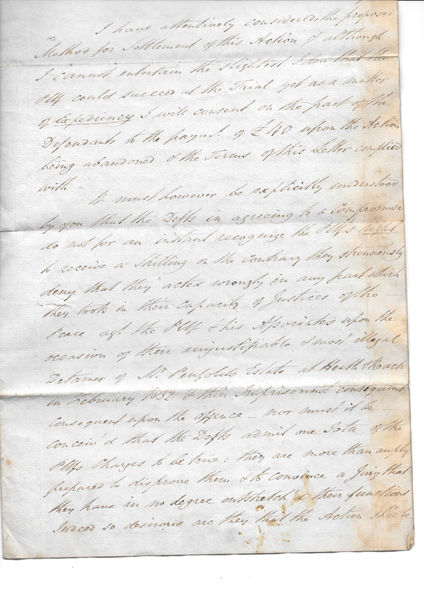
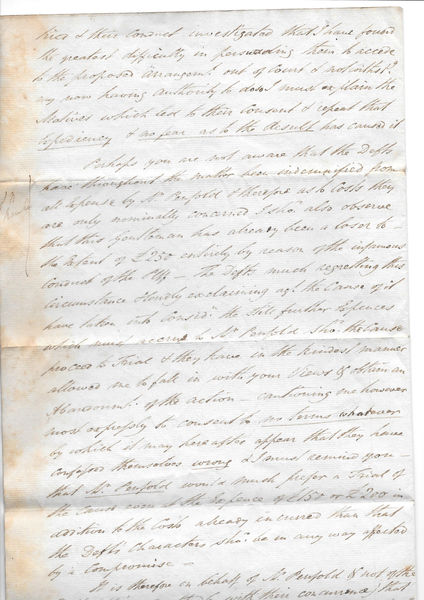
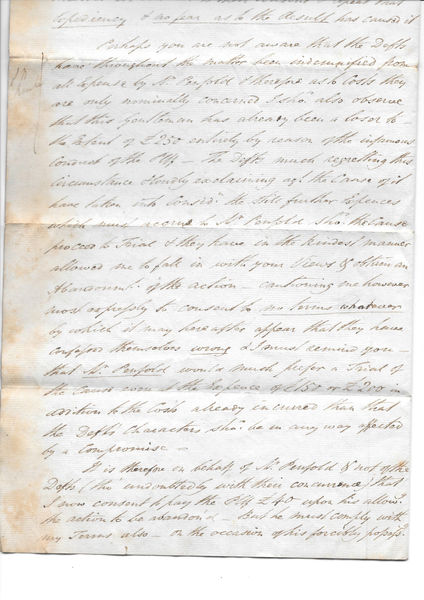
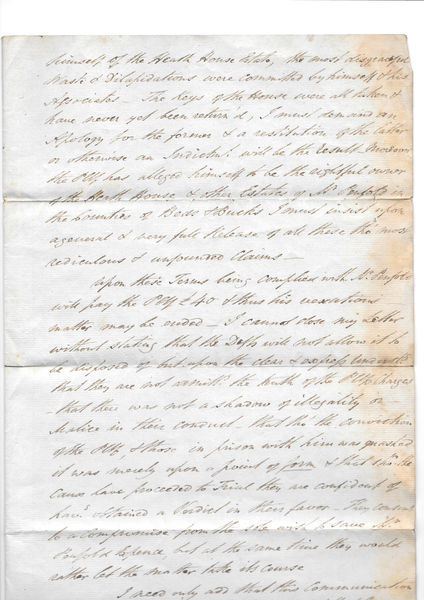
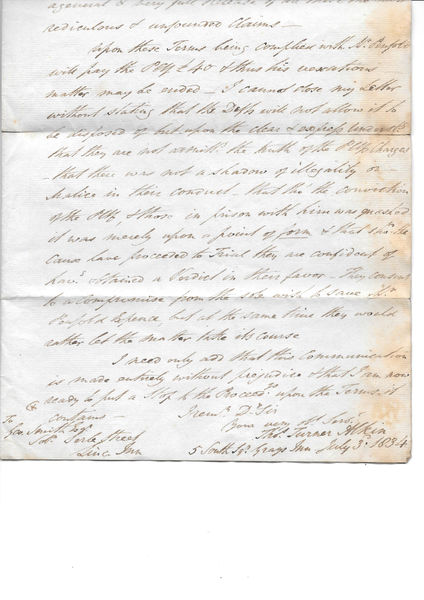
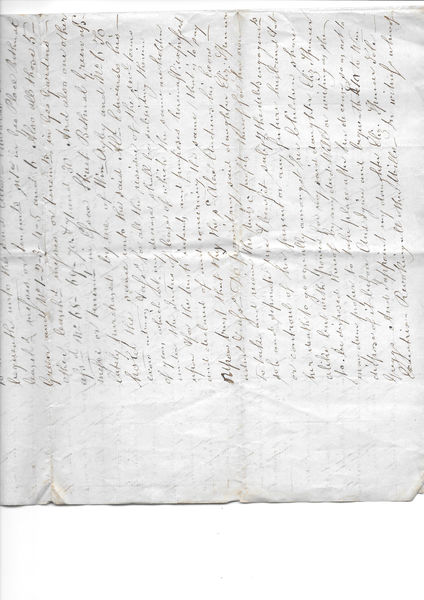
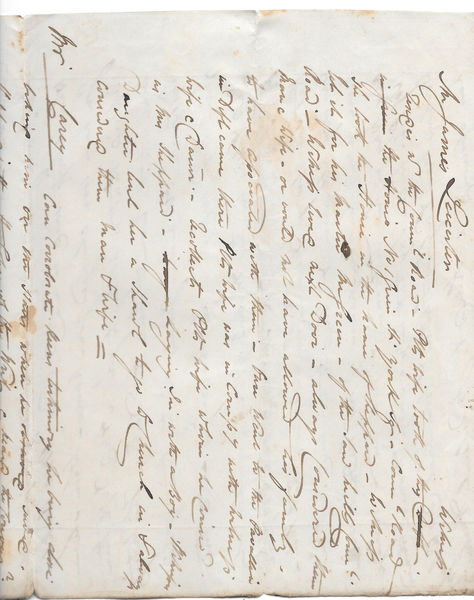
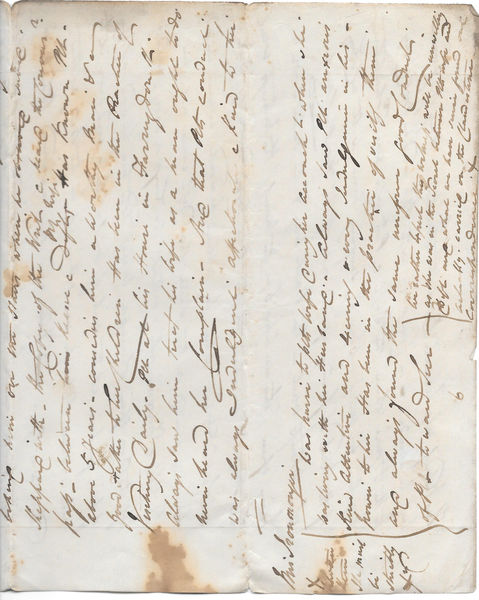
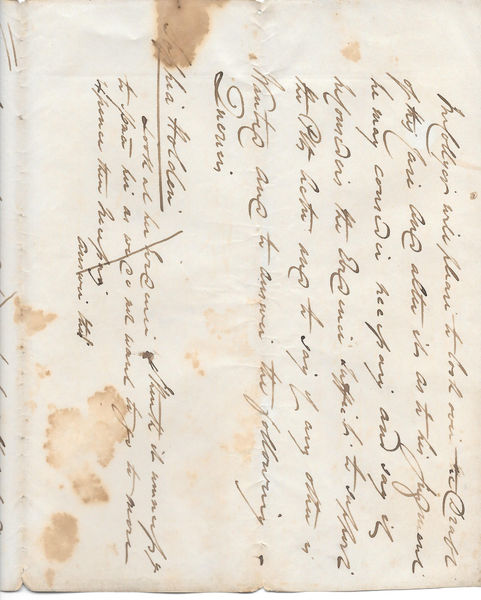
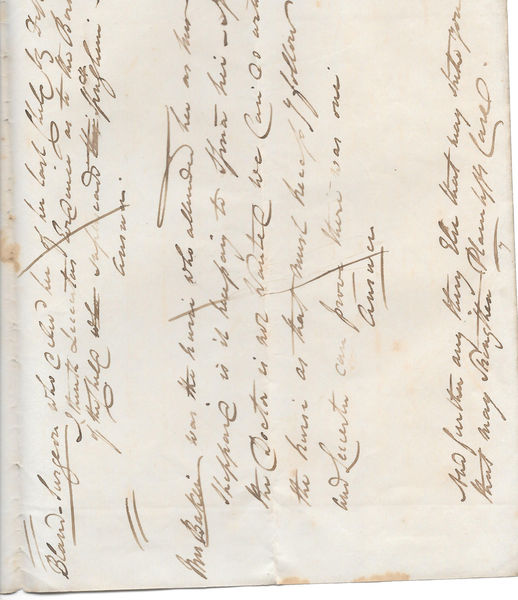
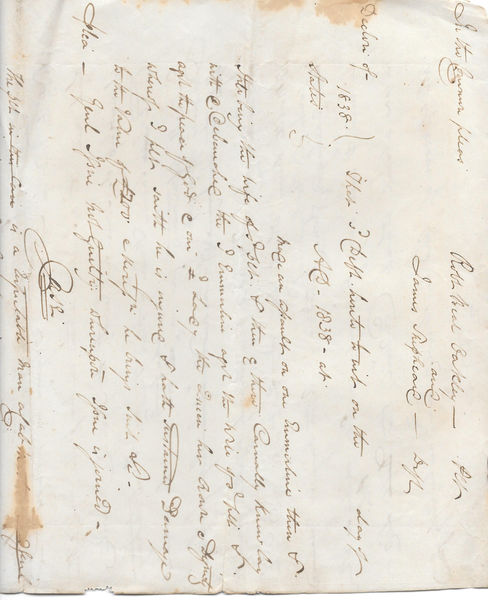
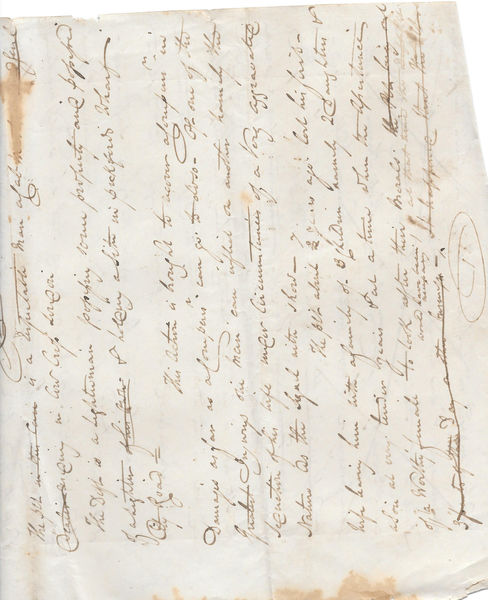
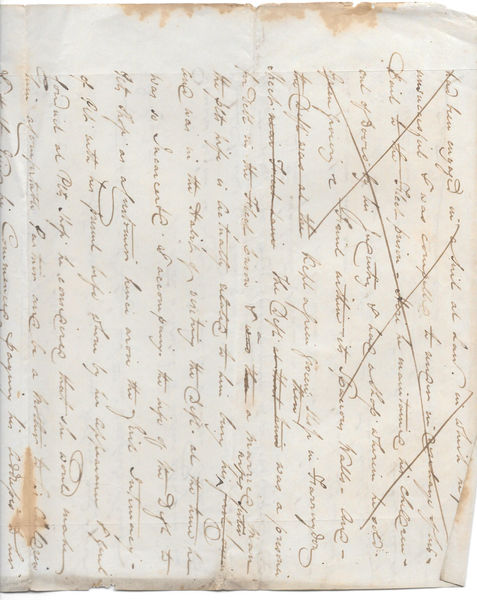
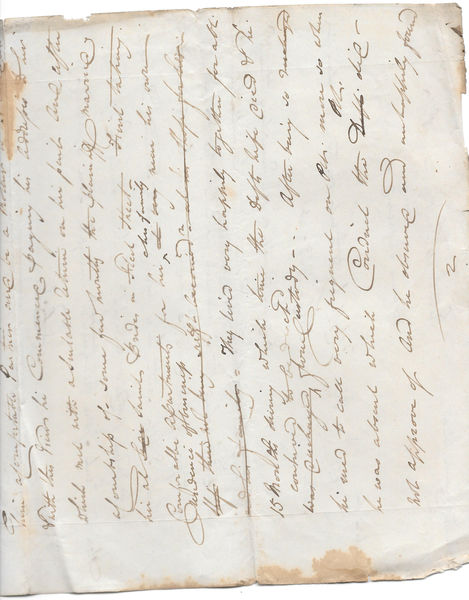
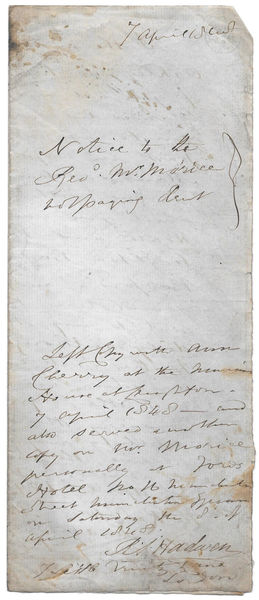
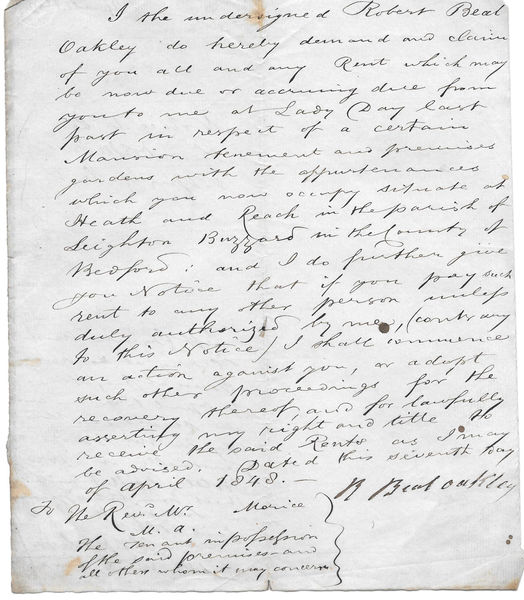
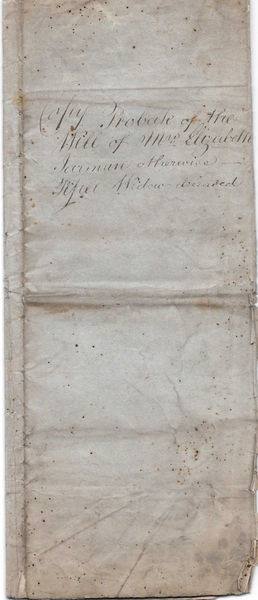
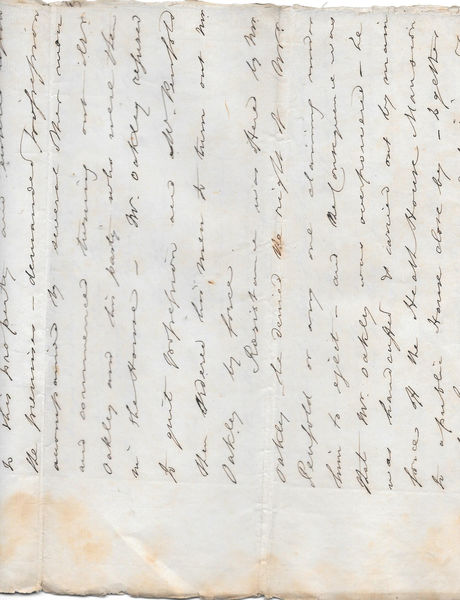
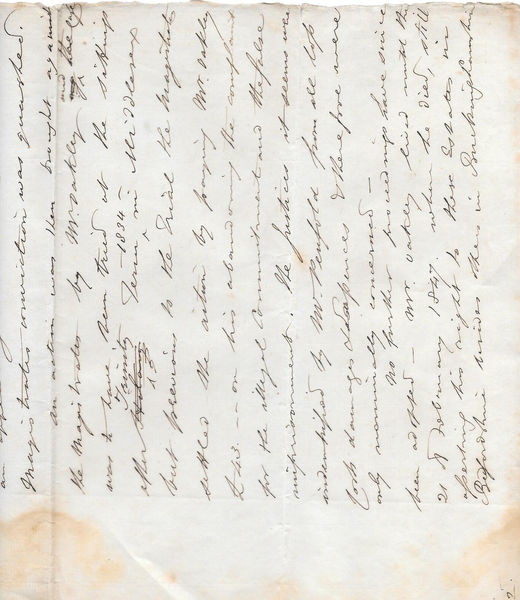
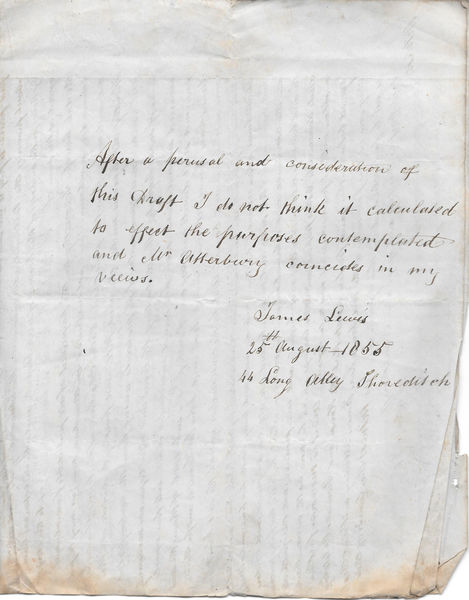
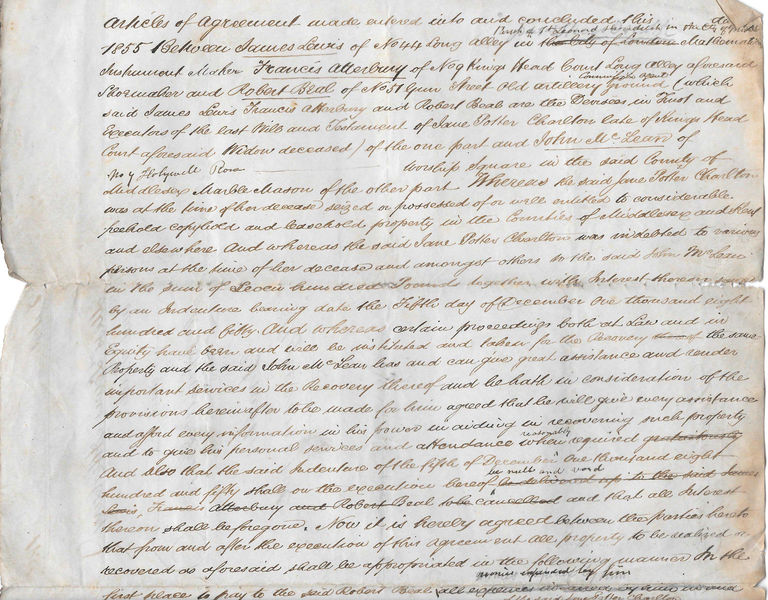
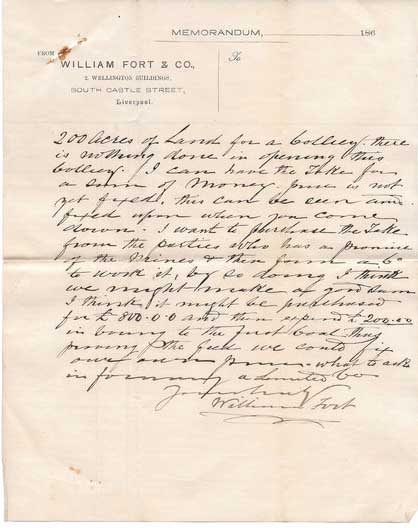
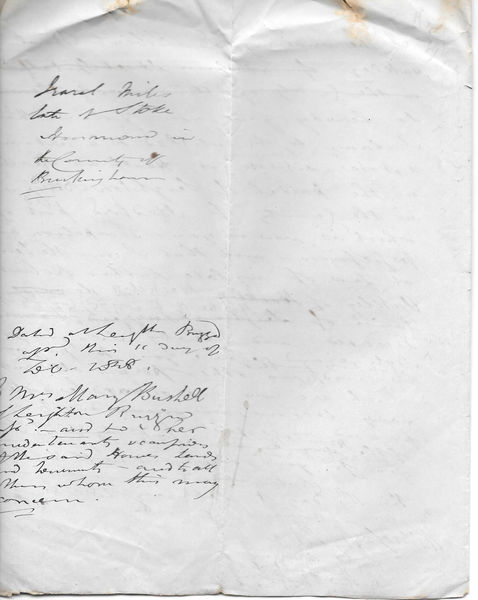
The archive then shifts into more substantial material. The most important turning point in the collection is a long letter preserved as doc04.1 and doc04.2. This concerns Robert Oakley, identified in the archive as a farmer, and describes the acquisition of property in the Leighton Buzzard area in 1832, followed by a challenge from Thomas Penfold. The language is measured but defensive. This was not a small disagreement. It was a serious dispute over right, title and possession.
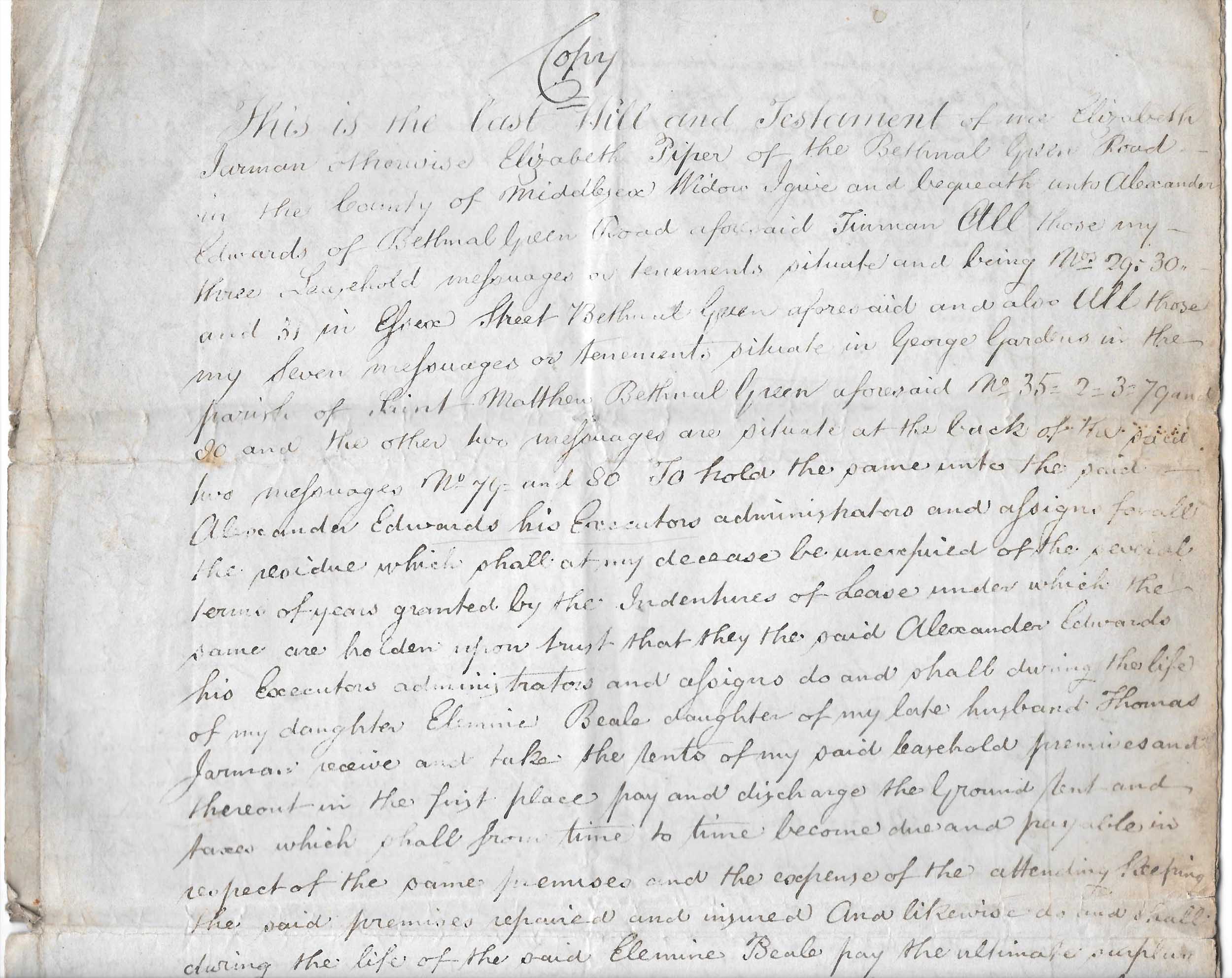
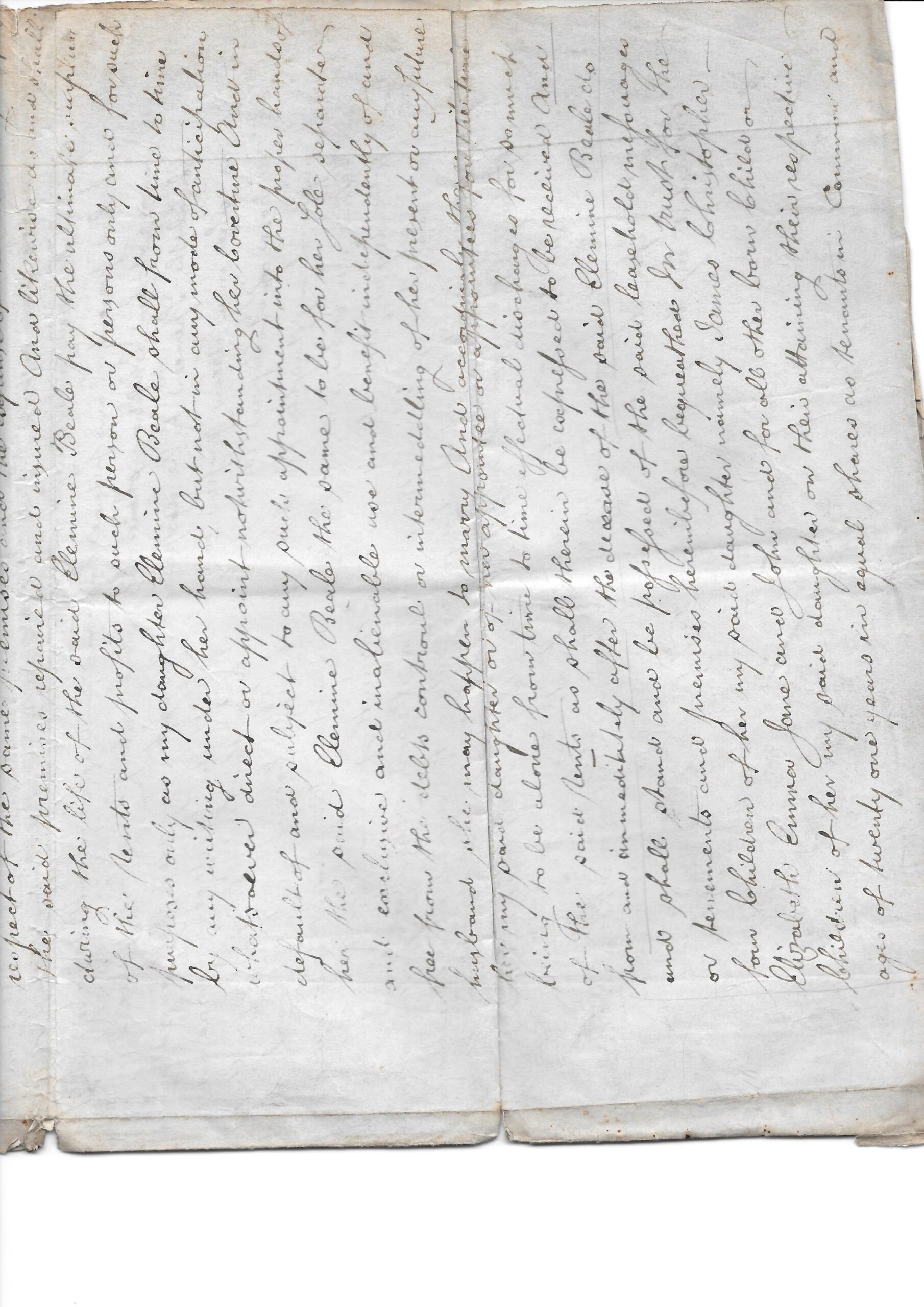
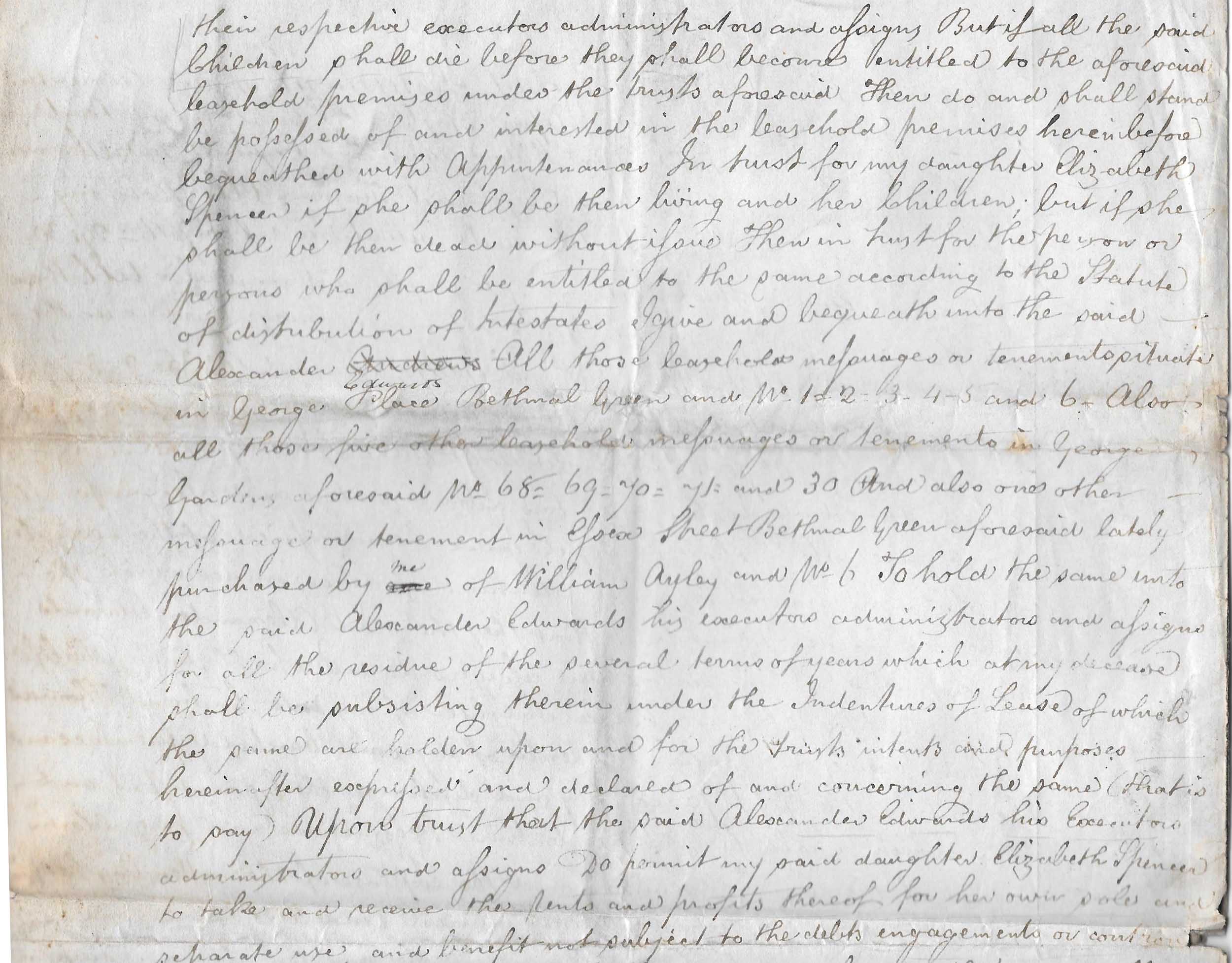
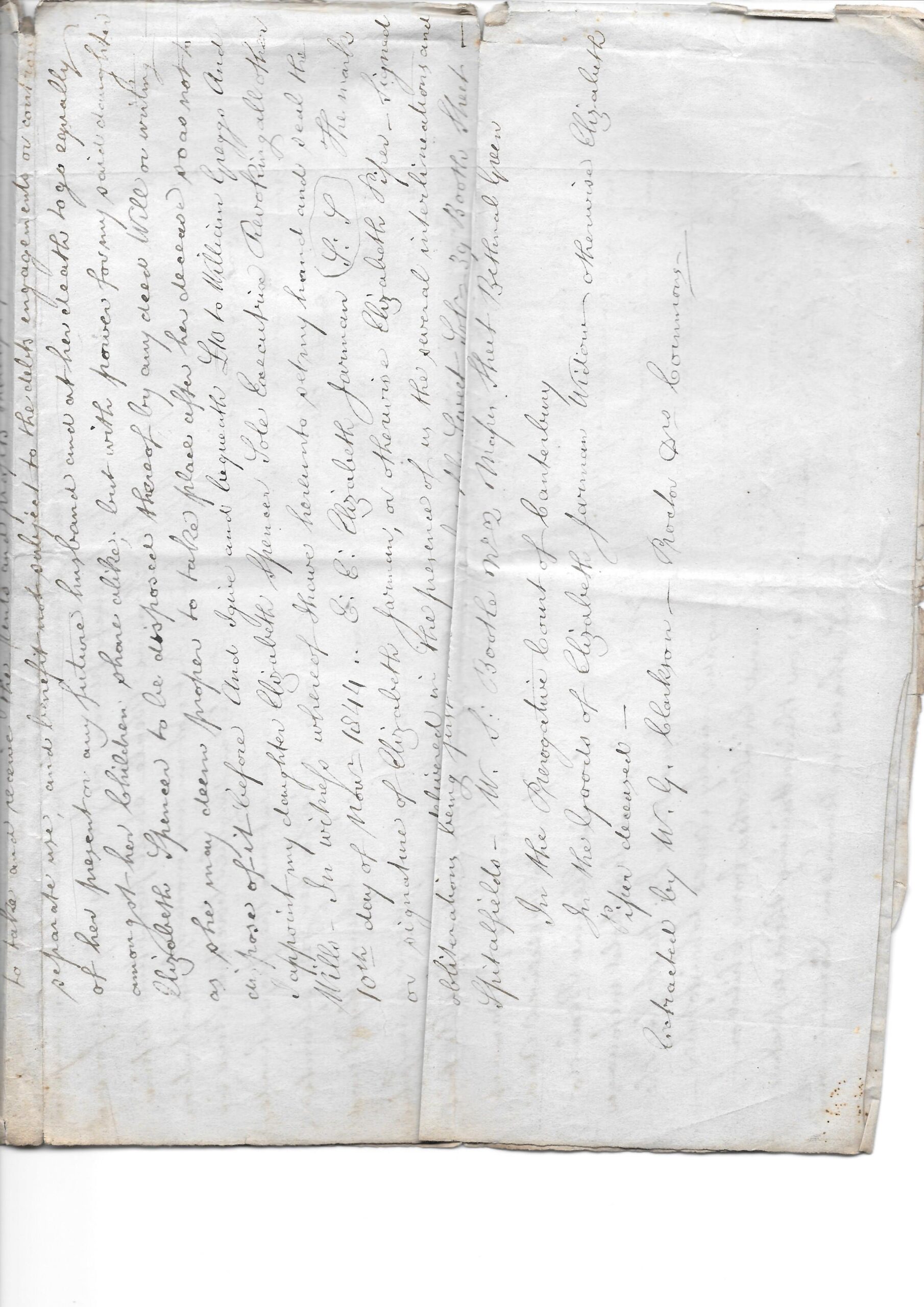
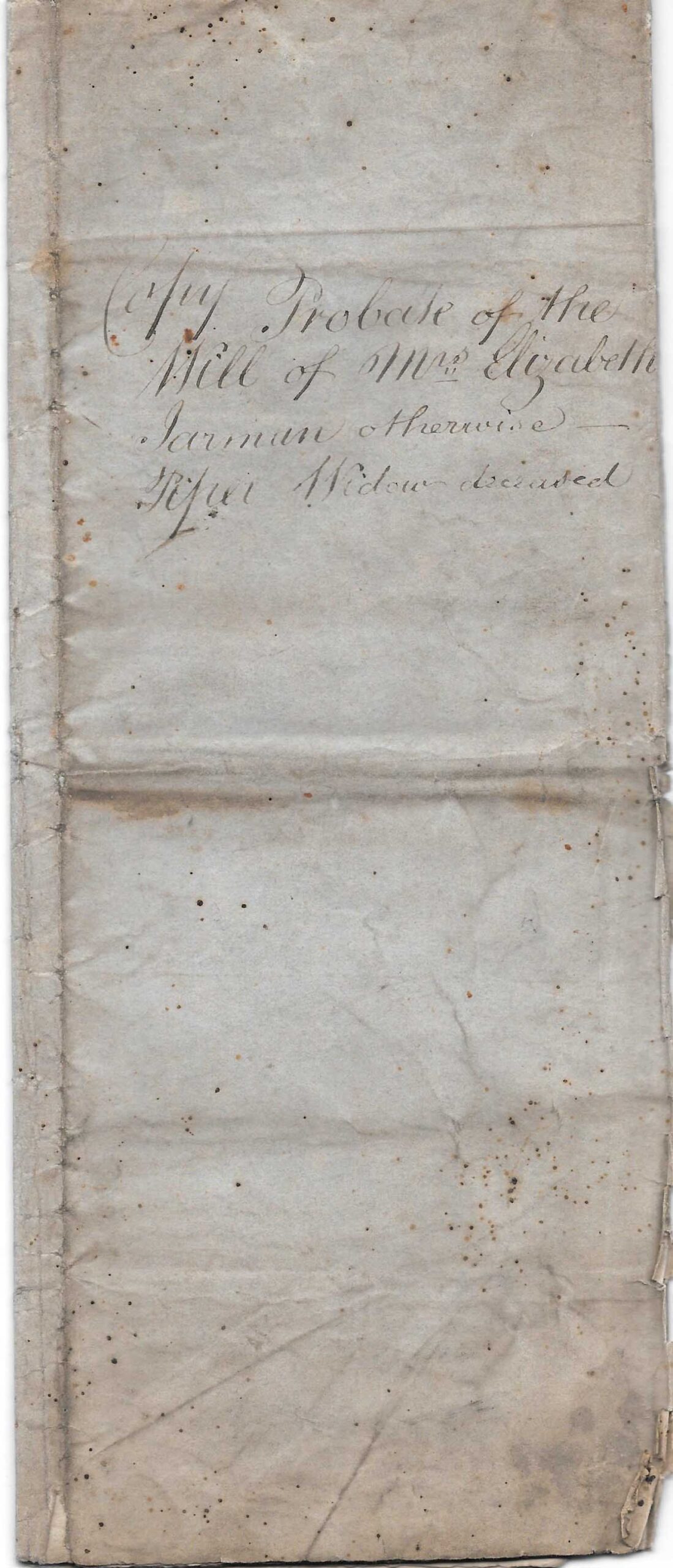
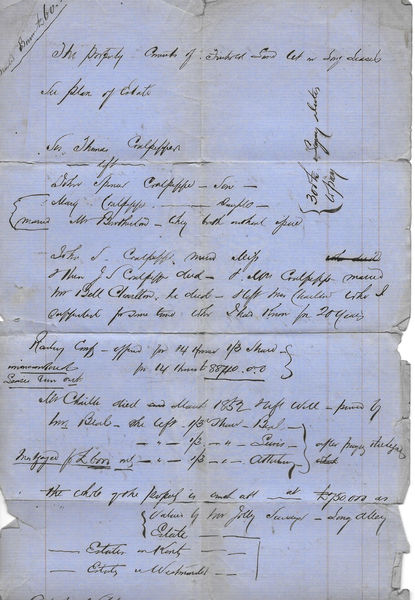
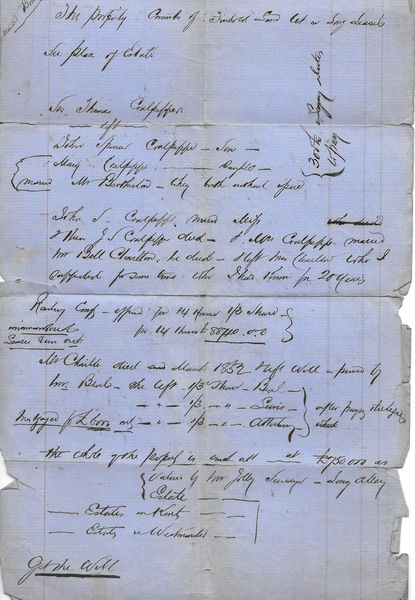
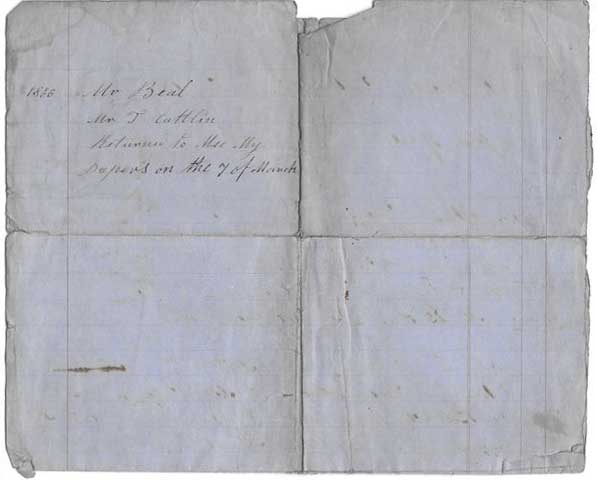
The same dispute echoes elsewhere in the archive. Items such as doc05.2, doc05.4 and doc06.3 do not merely repeat the matter; they extend it. That repetition is important. Property was not a side issue. It was one of the central themes of the family story.
Marriage, London and the instability of name
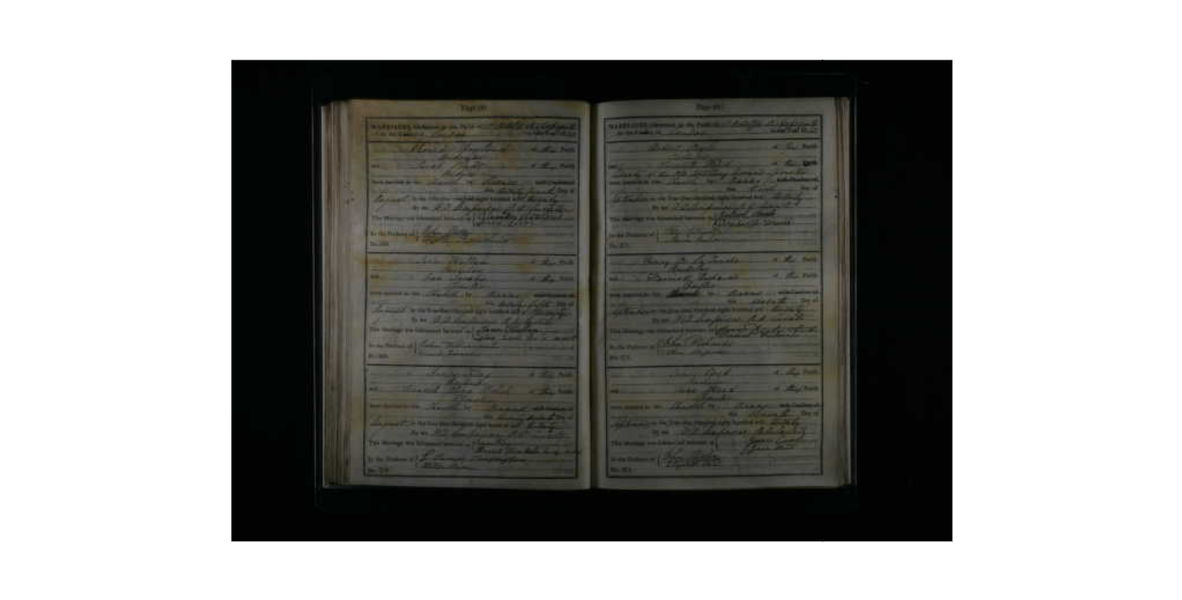
By 1820 Robert is found in London, where he married Elizabeth Ward at Bishopsgate. This is one of the fixed points in the wider reconstruction. Yet even here the central uncertainty of the case is present: his name is unstable. In one place he appears as Robert Oakley Beal. Elsewhere the order shifts to Robert Beale Oakley. Later the Oakley element falls away and he becomes simply Robert Beal.
This is not merely inconsistent spelling. It suggests a genuine fluidity of identity, whether arising from family naming practice, inheritance, maternal naming, local custom or deliberate self-presentation. At present the archive allows the phenomenon to be described clearly, but not yet explained finally.
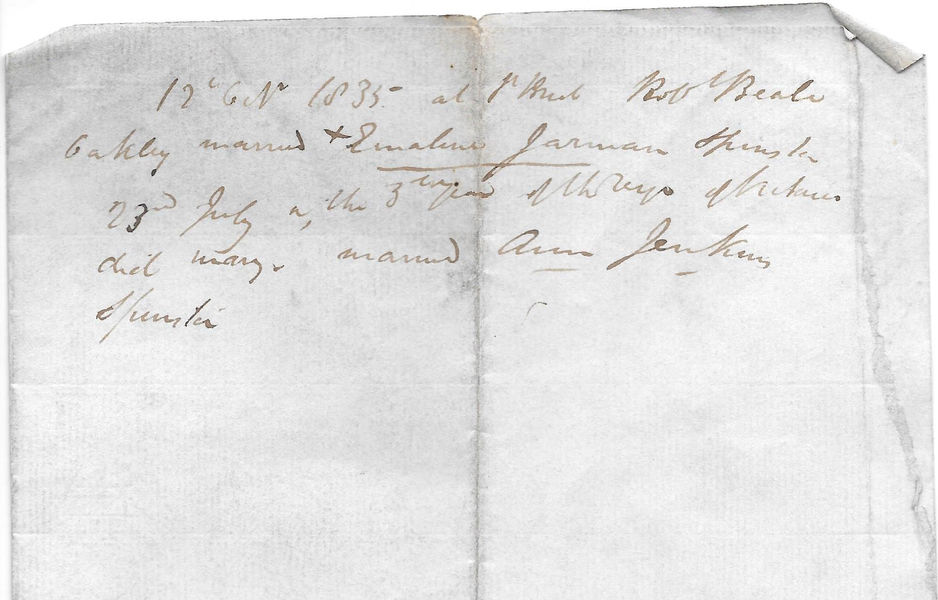
The silence surrounding Elizabeth Ward is equally significant. She is certainly Robert’s wife in 1820, yet no securely identified burial has yet been found for her. By 1835 Robert had married again, to Emeline Jarman, and by 1841 again, to Anne Jenkins. The later bigamy conviction confirms the unlawfulness of the third marriage. What remains unresolved is the earlier question: had Elizabeth died before 1835, or had Robert already crossed into illegality before the better-documented offence?
The bigamy case
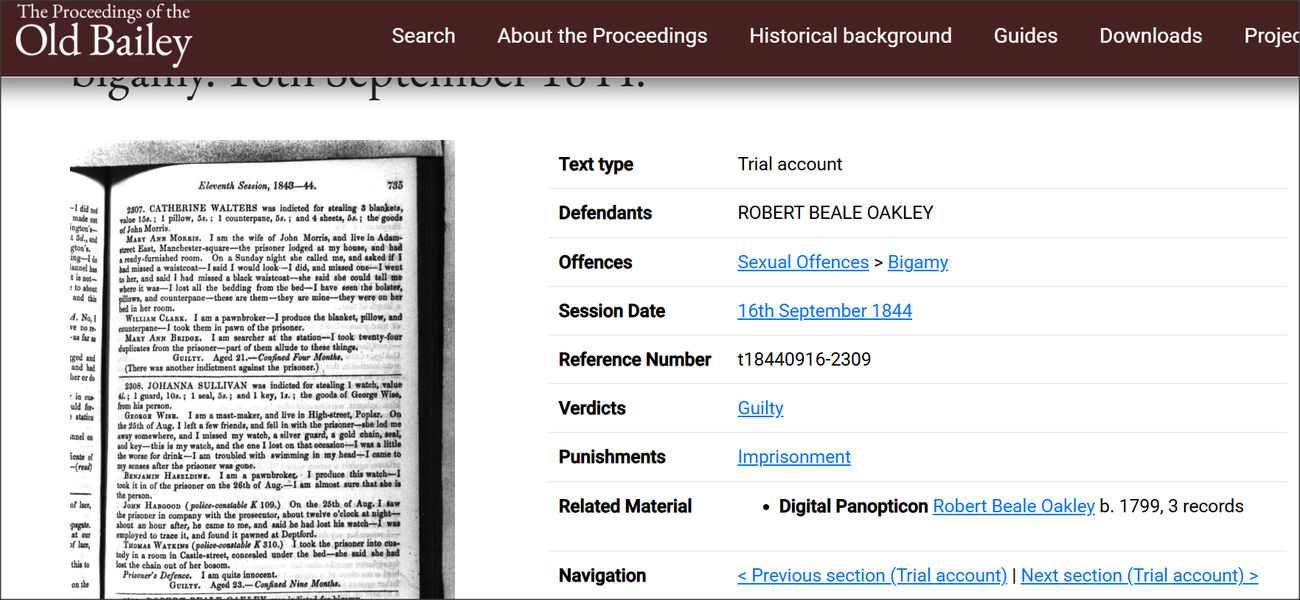
By the early 1840s the record hardens and the law enters decisively. Robert appears in the external criminal record as Robert Beale Oakley, tried at the Central Criminal Court in September 1844 for bigamy. The case turned on the fact that he had married Anne Jenkins on 23 July 1841 while his wife Emmeline Jarman was still alive.
This is one of the clearest legal anchors in the whole story. It confirms not only the third marriage but also the standing of the earlier one. The archive’s scattered papers and the external legal record therefore meet at this point: Robert’s life had moved from domestic ambiguity into formal prosecution.
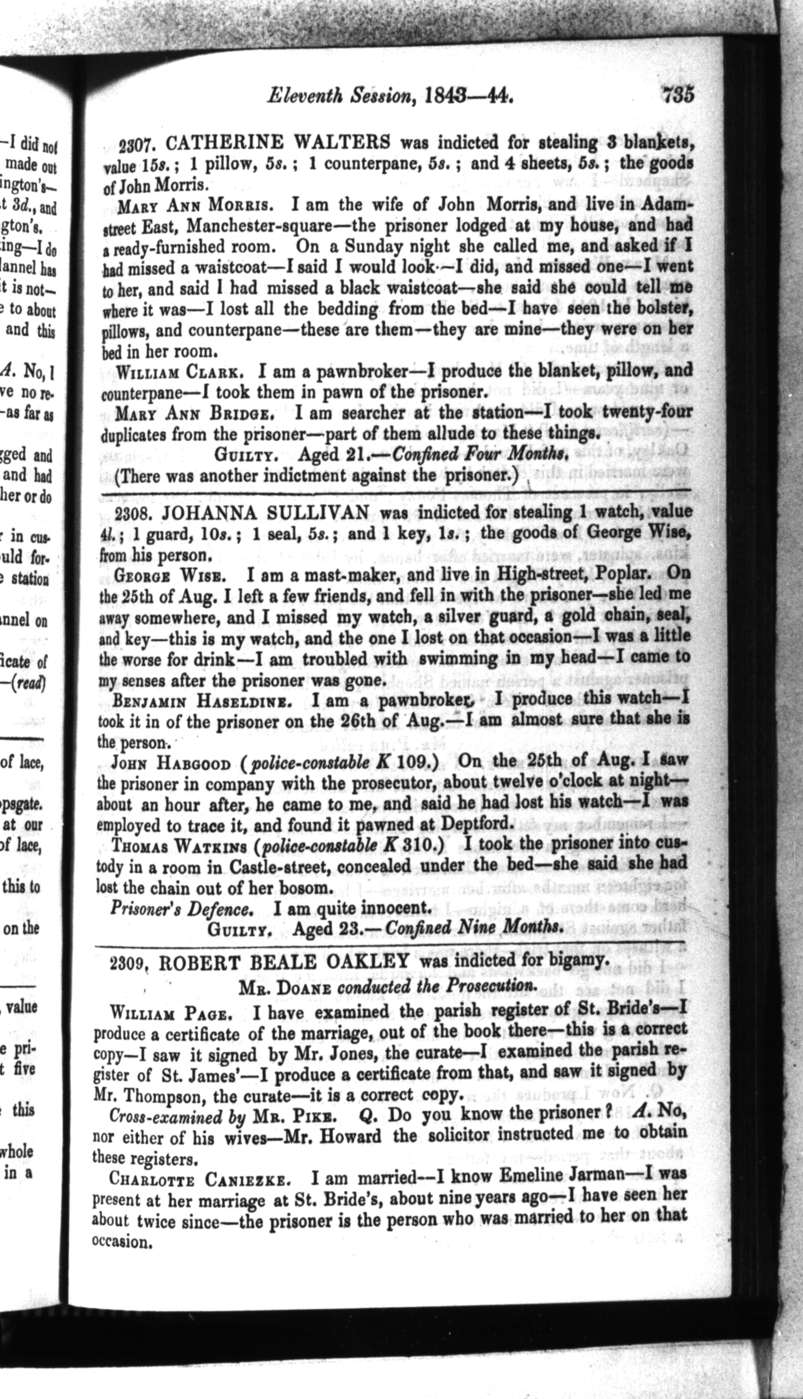
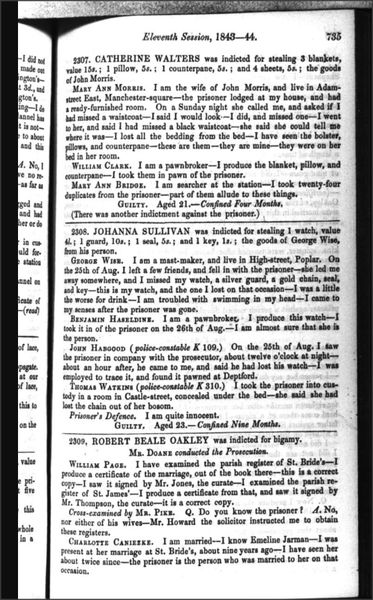
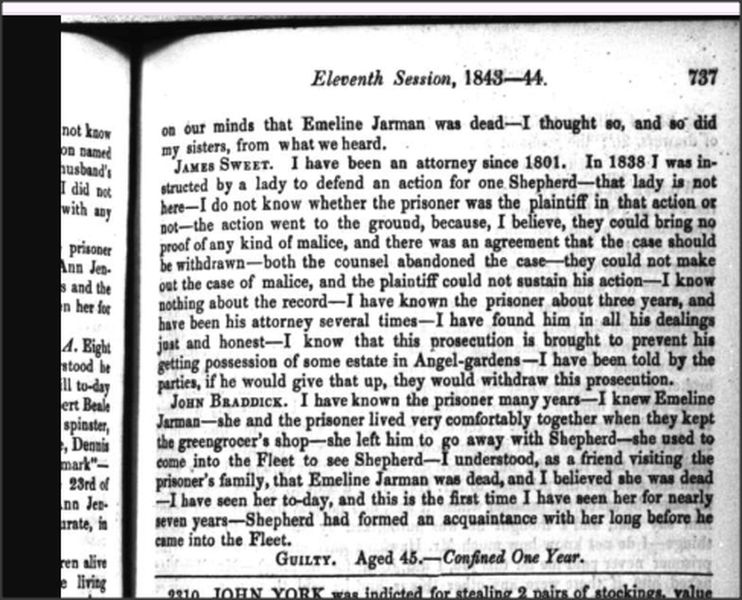
2309. ROBERT BEALE OAKLEY was indicted for bigamy.
MR. DOANE conducted the Prosecution.
WILLIAM PAGE . I have examined the parish register of St. Bride’s—I produce a certificate of the marriage, out of the book there—this is a correct copy—I saw it signed by Mr. Jones, the curate—I examined the parish register of St. James’—I produce a certificate from that, and saw it signed by Mr. Thompson, the curate—it is a correct copy.
Cross-examined by MR. PIKE. Q. Do you know the prisoner? A. No, nor either of his wives—Mr. Howard the solicitor instructed me to obtain these registers.
CHARLOTTE CANIEZKE . I am married—I know Emeline Jarman—I was present at her marriage at St. Bride’s, about nine years ago—I have seen her about twice since—the prisoner is the person who was married to her on that occasion.
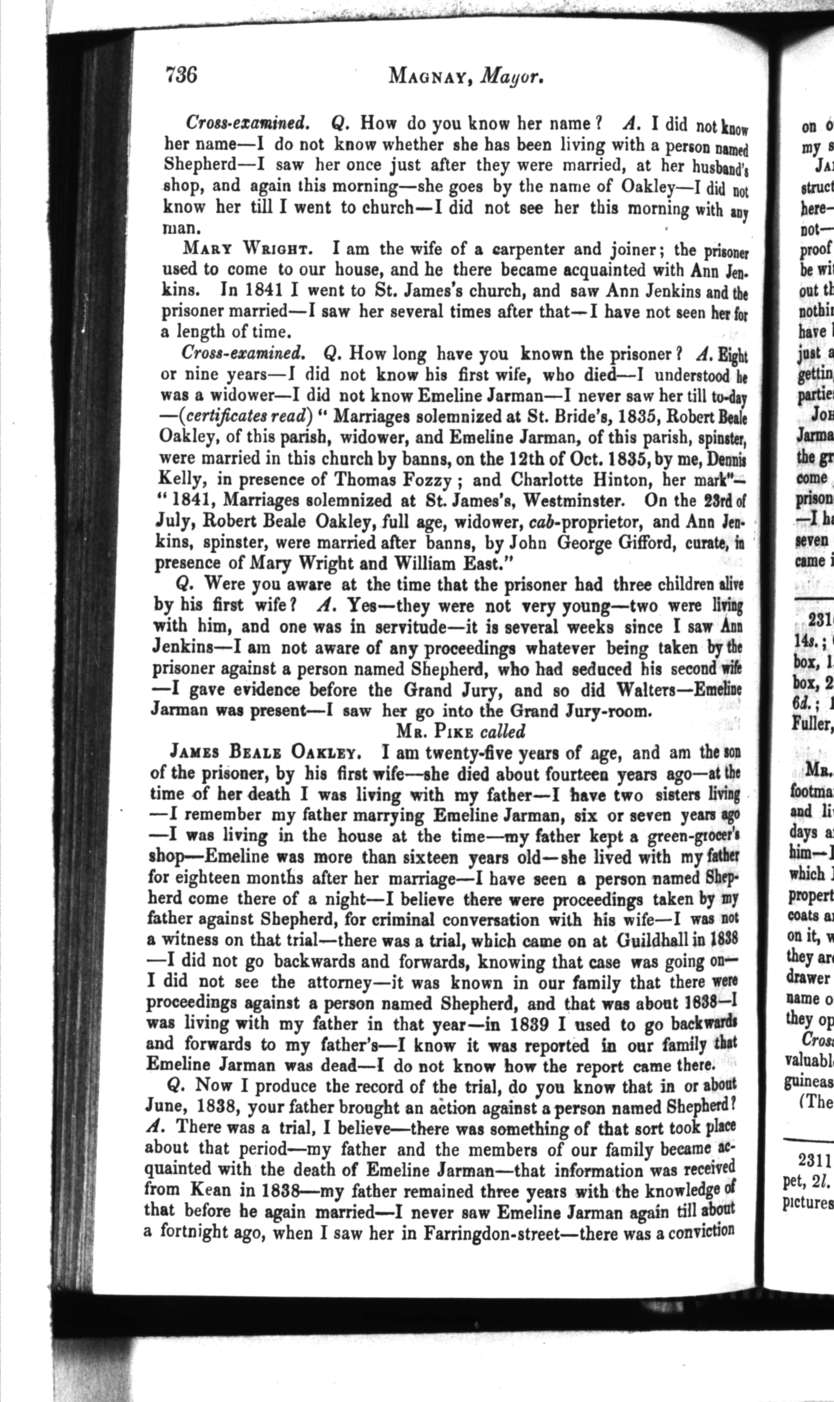
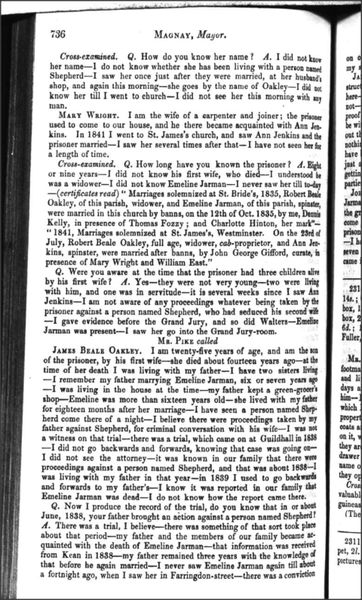
Cross-examined. Q. How do you know her name? A. I did not know her name—I do not know whether she has been living with a person named Shepherd—I saw her once just after they were married, at her husband’s shop, and again this morning—she goes by the name of Oakley—I did not know her till I went to church—I did not see her this morning with any man.
MARY WRIGHT . I am the wife of a carpenter and joiner; the prisoner used to come to our house, and he there became acquainted with Ann Jenkins. In 1841 I went to St. James’s church, and saw Ann Jenkins and the prisoner married—I saw her several times after that—I have not seen her for a length of time.
Cross-examined. Q. How long have you known the prisoner? A. Eight or nine years—I did not know his first wife, who died—I understood he was a widower—I did not know Emeline Jarman—I never save her till to-day—(certificates read) “Marriages solemnized at St. Bride’s, 1835, Robert Beale Oakley, of this parish, widower, and Emeline Jarman, of this parish, spinster, were married in this church by banns, on the 12th of Oct. 1835, by me, Dennis Kelly, in presence of Thomas Fozzy; and Charlotte Hinton, her mark”—”1841, Marriages solemnized at St. James’s, Westminster. On the 23rd of July, Robert Beale Oakley, full age, widower, cab-proprietor, and Ann Jenkins, spinster, were married after banns, by John George Gifford, curate, in presence of Mary Wright and William East.
Q. Were you aware at the time that the prisoner had three children alive by his first wife? A. Yes—they were not very young—two were living with him, and one was in servitude—it is several weeks since I saw Ann Jenkins—I am not aware of any proceedings whatever being taken by the prisoner against a person named Shepherd, who had seduced his second wife—I gave evidence before the Grand Jury, and so did Walters—Emeline Jarman was present—I saw her go into the Grand Jury-room.
MR. PIKE called
JAMES BEALE OAKLEY. I am twenty-five years of age, and am the son of the prisoner, by his first wife—she died about fourteen years ago—at the time of her death I was living with my father—I have two sisters living—I remember my father marrying Emeline Jarman, six or seven years ago—I was living in the house at the time—my father kept a green-grocer’s shop-—Emeline was more than sixteen years old—she lived with my father for eighteen months after her marriage—I have seen a person named Shepherd come there of a night—I believe there were proceedings taken by my father against Shepherd, for criminal conversation with his wife—I was not a witness on that trial—there was a trial, which came on at Guildhall in 1838—I did not go backwards and forwards, knowing that case was going on—I did not see the attorney—it was known in our family that there were proceedings against a person named Shepherd, and that was about 1838—I was living with my father in that year—in 1839 I used to go backwards and forwards to my father’s—I know it was reported in our family that Emeline Jarman was dead—I do not know how the report came there.
Q. Now I produce the record of the trial, do you know that in or about June, 1838, your father brought an action against a person named Shepherd? A. There was a trial, I believe—there was something of that sort took place about that period—my father and the members of our family became acquainted with the death of Emeline Jarman—that information was received from Kean in 1838—my father remained three years with the knowledge of that before he again married—I never saw Emeline Jarman again till about a fortnight ago, when I saw her in Farringdon-street—there was a conviction
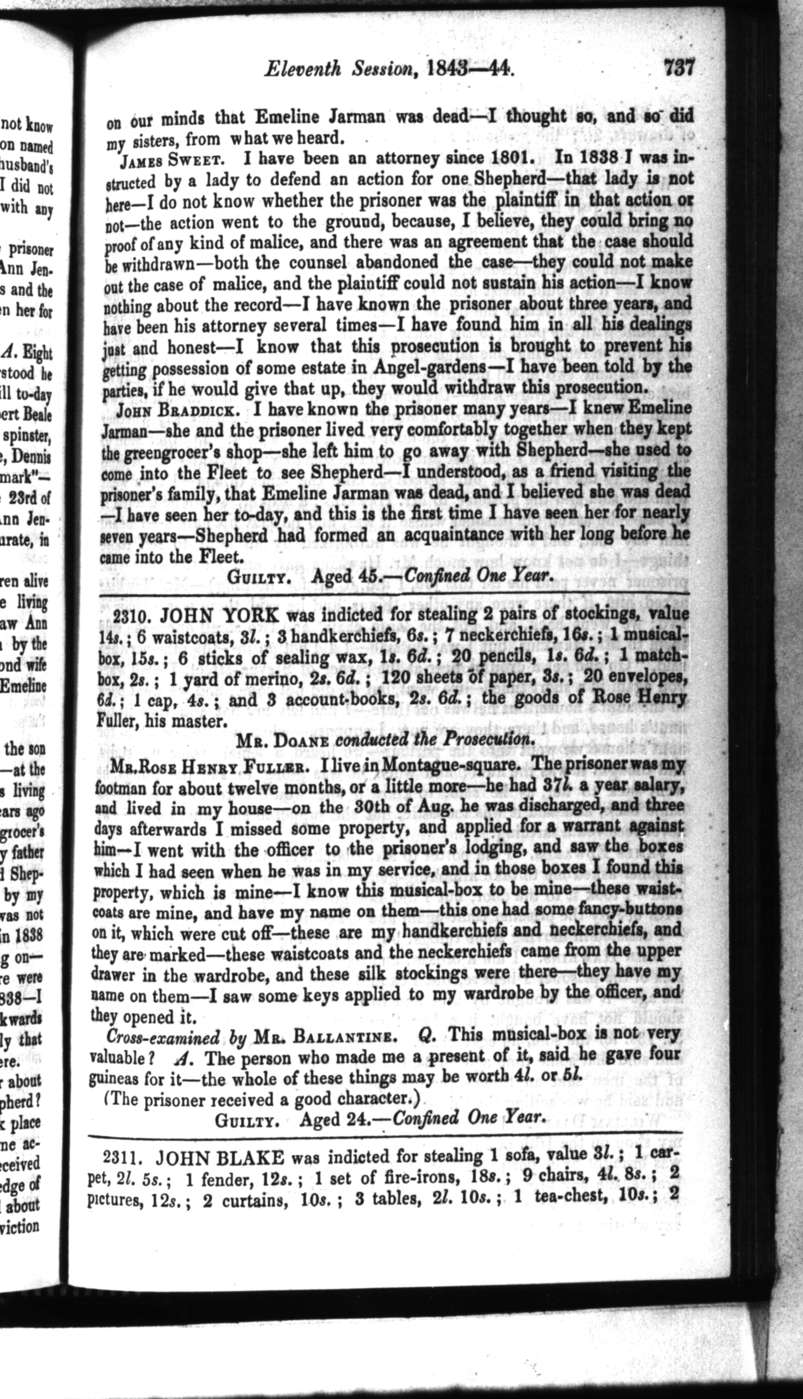
on our minds that Emeline Jarman was dead—I thought to, and to did my sisters, from what we heard.
JAMES SWEET . I have been an attorney since 1801. In 1838 I was instructed by a lady to defend an action for one Shepherd—that lady if not here—I do not know whether the prisoner was the plaintiff in that action or not—the action went to the ground, because, I believe, they could bring no proof of any kind of malice, and there was an agreement that the case should be withdrawn—both the counsel abandoned the case—they could not make out the case of malice, and the plaintiff could not sustain his action—I know nothing about the record—I have known the prisoner about three years, and have been his attorney several times—I have found him in all his dealings just and honest—I know that this prosecution is brought to prevent his getting possession of some estate in Angel-gardens—I have been told by the parties, if he would give that up, they would withdraw this prosecution.
JOHN BRADDICK . I have known the prisoner many years—I knew Emeline Jarman—she and the prisoner lived very comfortably together when they kept the greengrocer’s shop—she left him to go away with Shepherd—she used to come into the Fleet to see Shepherd—I understood, as a friend visiting the prisoner’s family, that Emeline Jarman was dead, and I believed she was dead—I have seen her to-day, and this is the first time I have seen her for nearly seven years—Shepherd had formed an acquaintance with her long before he came into the Fleet.
GUILTY . Aged 45.— Confined One Year.
The surviving summaries are not perfectly consistent on the exact sentence. One source indicates that he was confined for nine months; another gives an initial sentence of one year’s imprisonment. Until the full prison-side paperwork is reconciled, the safest wording is that Robert was found guilty and sentenced to imprisonment.
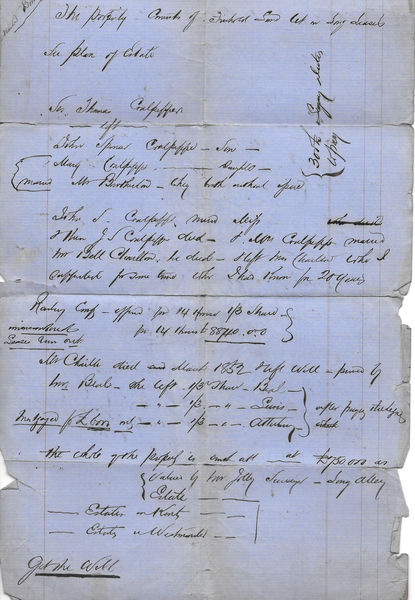
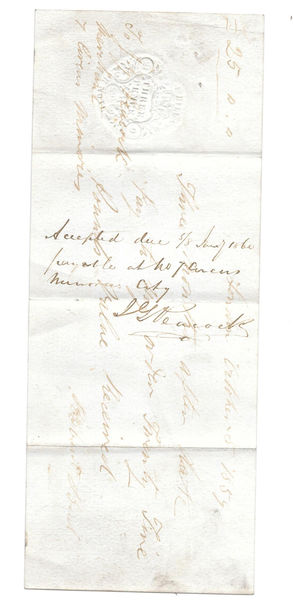
A further petition summary describes him at this time as a rag merchant and places him in connection with Clerkenwell. It also shows him still arguing his case, claiming that he had believed a former wife to be dead and that he had been wronged in matters touching property. Even at conviction, he was still presenting himself as a man with claims and grievances, not as one who had simply abandoned the struggle.
Prison terms, confinement and the later record
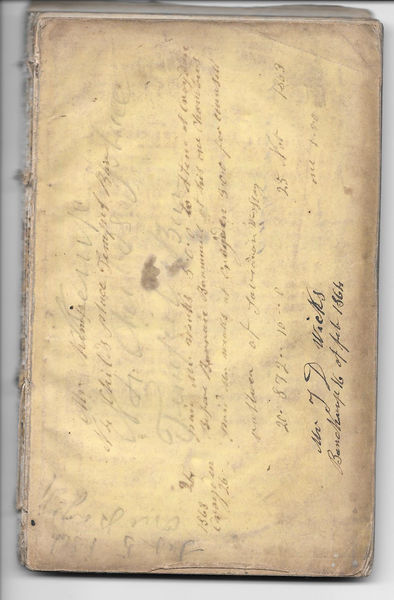
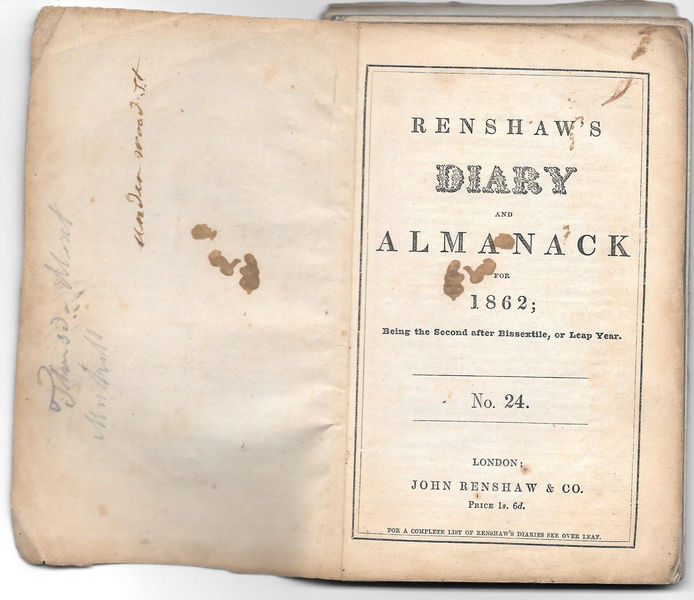
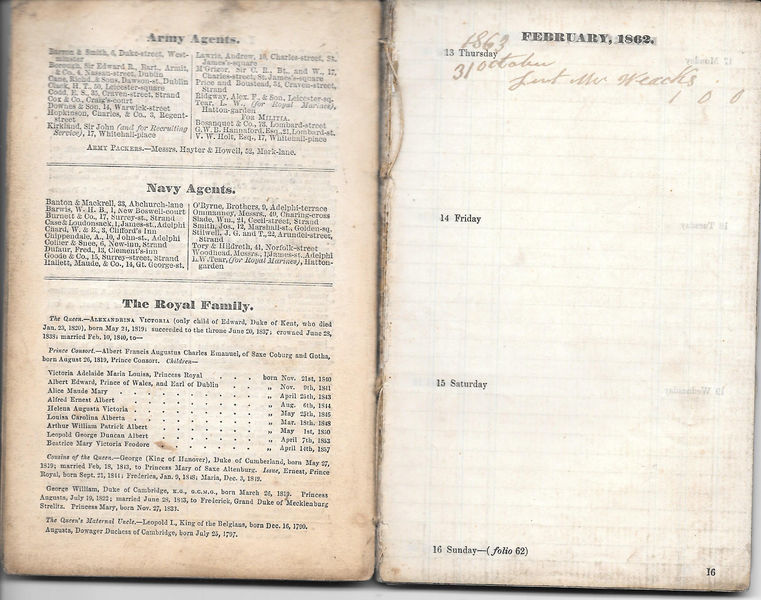
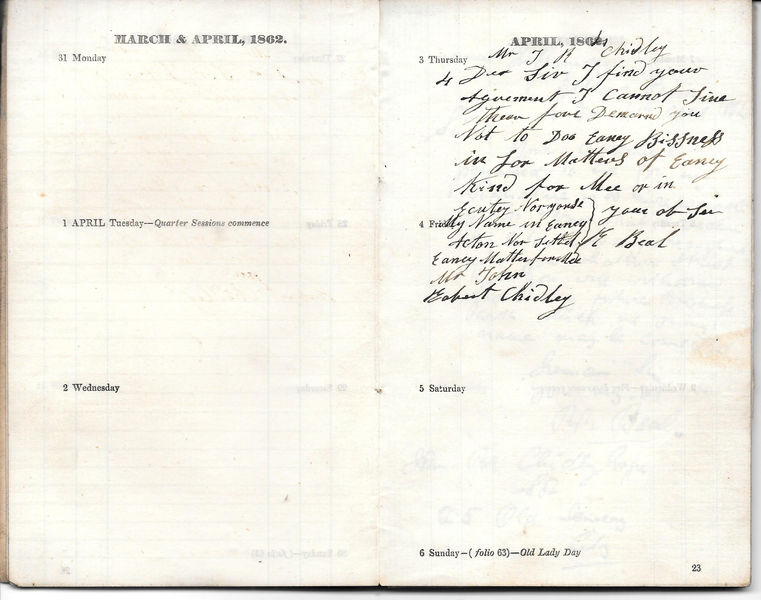
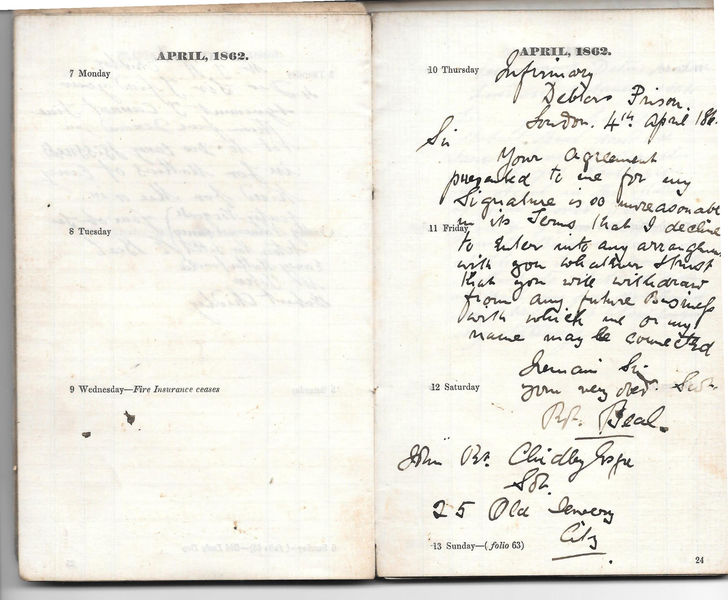
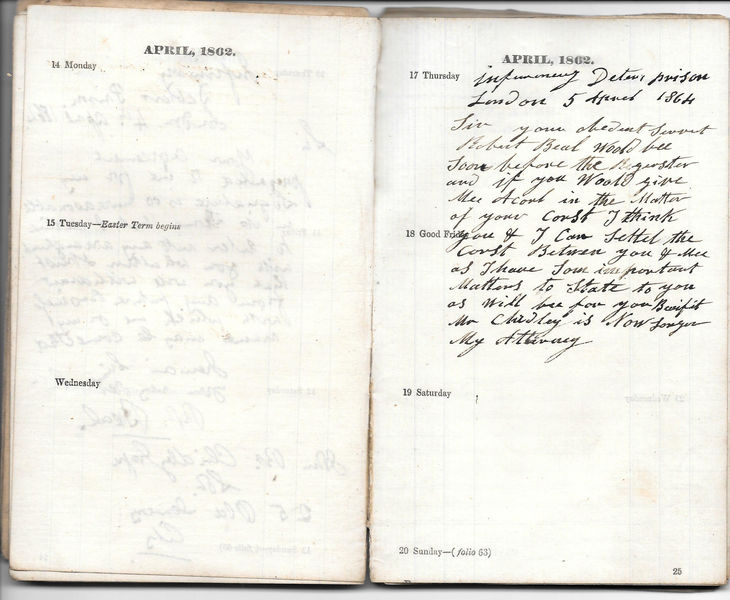
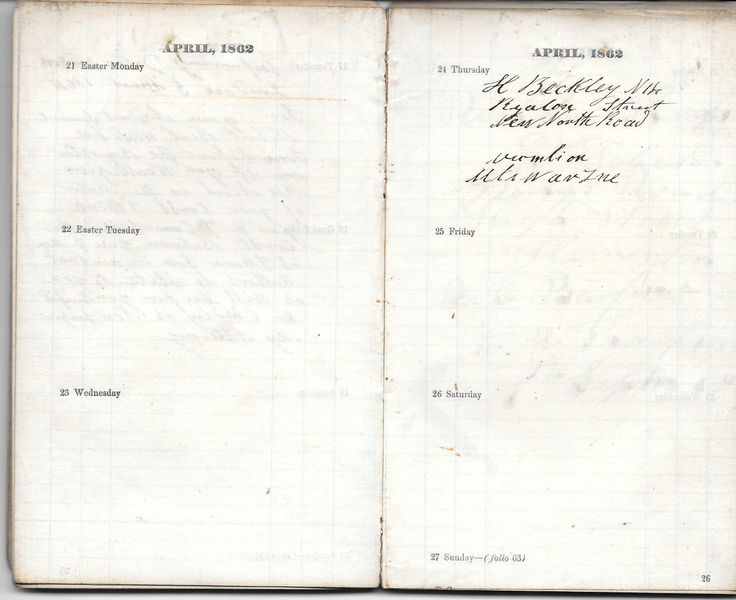
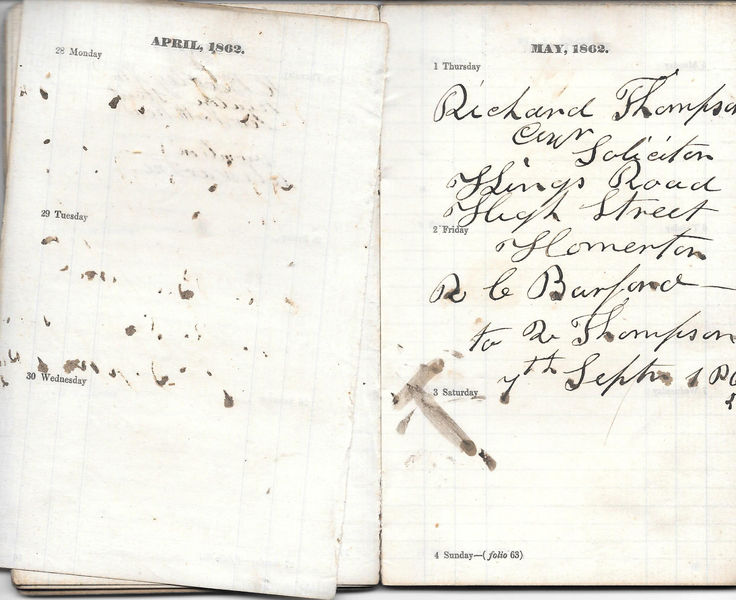
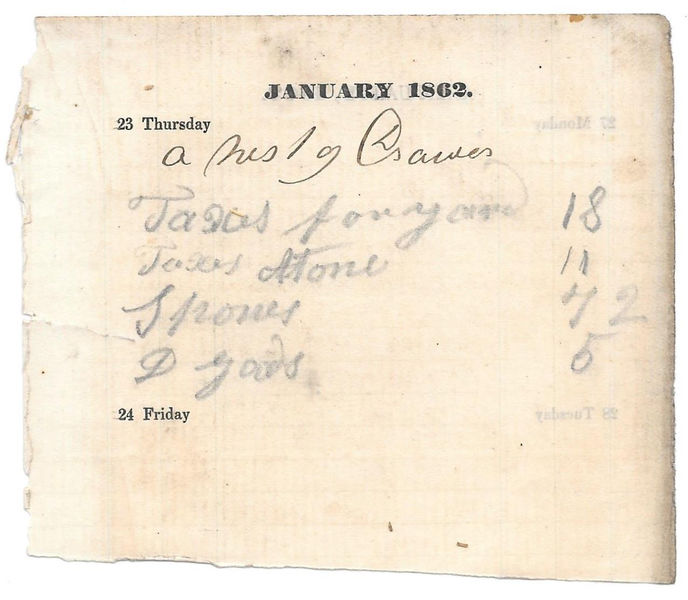
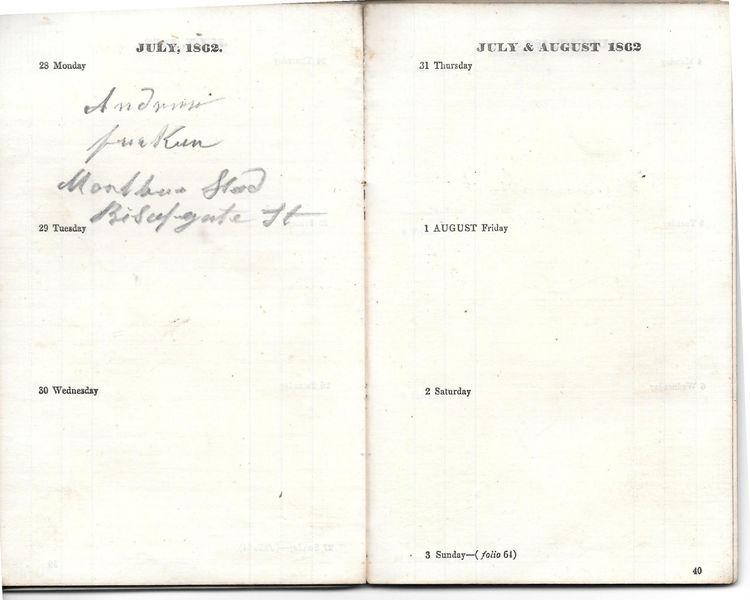
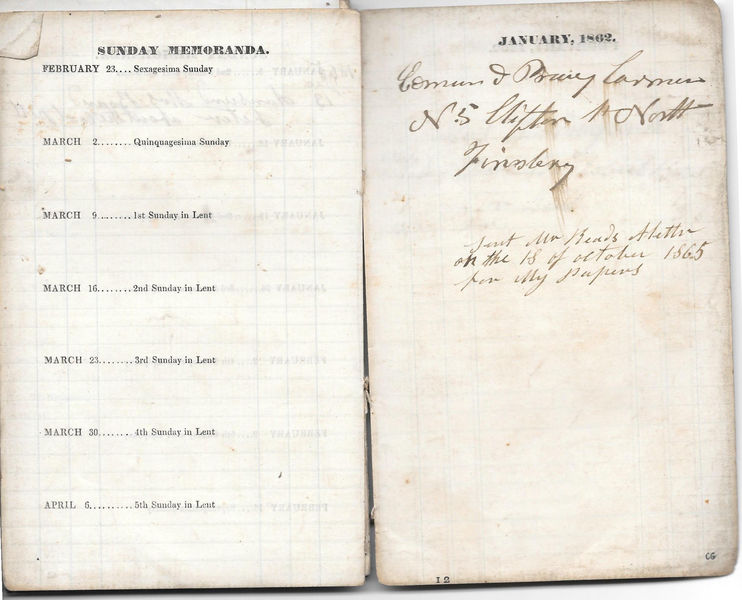
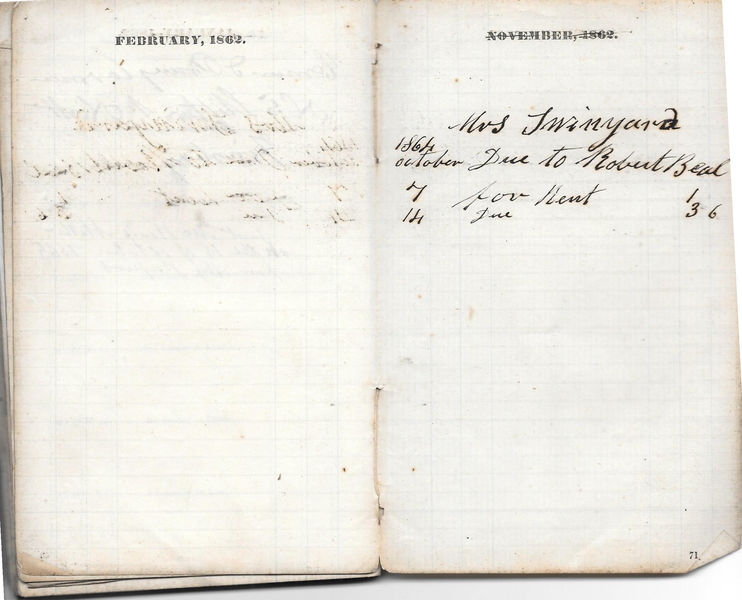
The bigamy conviction is not the only sign of imprisonment in Robert’s life. The archive also points unmistakably to a later period of confinement connected with debt. The most evocative evidence is a disbound almanac, printed for 1862 but containing handwritten entries from 1864, preserved in doc015.1, doc015.2 and doc015.3.
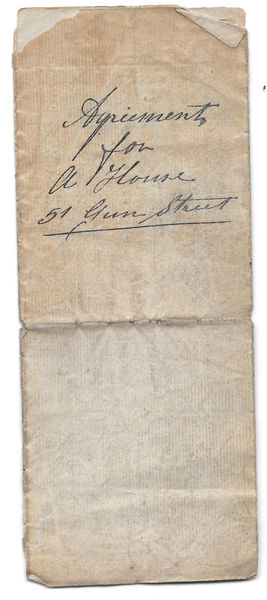
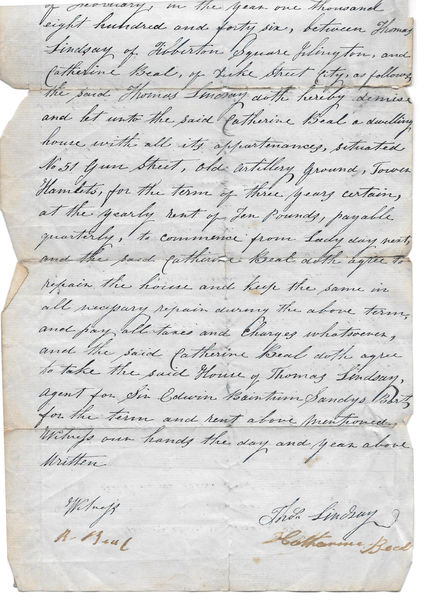
These later notes differ sharply from the earlier legal and property papers. They are sparse, restrained and almost entirely without argument. The contrast is striking. Earlier records show assertion, family entanglement, challenge and legal pressure. The almanac pages show a man reduced to brief notations while confined.
Taken together, the evidence therefore suggests more than one encounter with imprisonment: first the term following the 1844 bigamy conviction, and later a separate period of debt-related confinement evidenced by the 1864 writings. The archive does not yet provide a complete prison chronology, but it is enough to show that imprisonment was not a single passing event in Robert’s life.
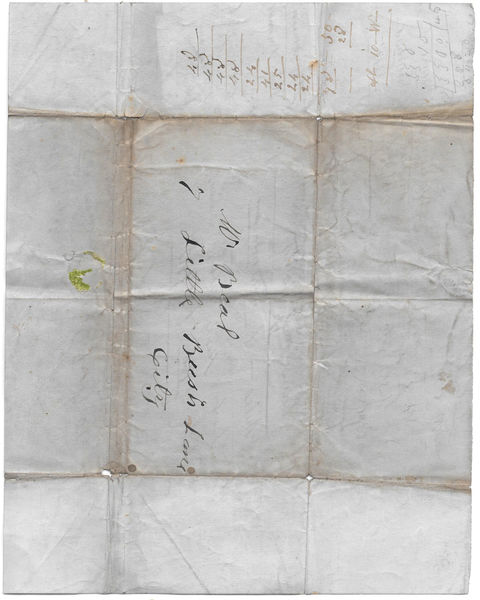
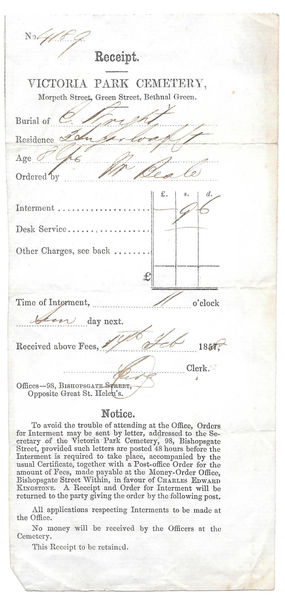
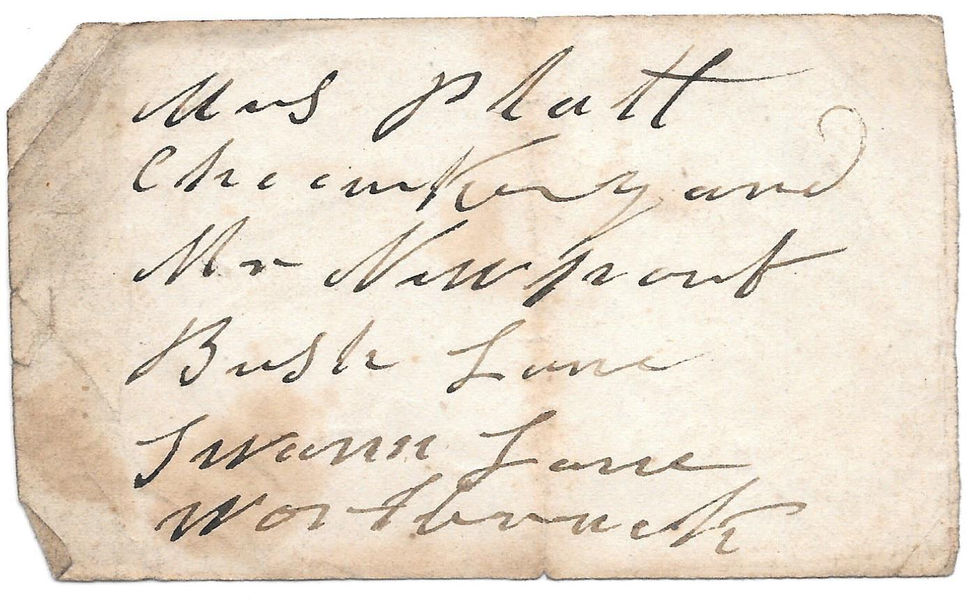
Beyond this point the collection becomes increasingly broken. Documents such as doc021, doc023, doc027.2, doc030, doc033 and doc036.1 survive as fragments, isolated sheets or separated references. Yet even in this disorder the same themes persist: property, identity, obligation, prosecution and decline.
What the archive now allows us to say
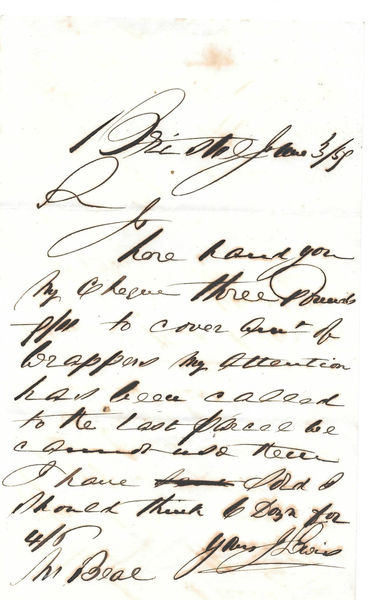
Robert Beal emerges from this collection as a man whose life can be reconstructed in outline, though not settled in every detail. He appears to have been connected to a Bedfordshire farming background, associated with the Oakley name and with property around Leighton Buzzard. He later established himself in London, where his domestic life became increasingly complicated and his identity increasingly fluid. He married repeatedly, was convicted of bigamy, served prison time, and ended his later years in circumstances very different from those suggested by the earlier property papers.
What remains unresolved is not trivial. The precise relationship between the Oakley and Beal names still requires further proof. The death of Elizabeth Ward remains unconfirmed. The exact structure of Robert’s parentage, and the route by which the family moved from rural Bedfordshire to metropolitan London, is still being pursued through archival enquiry.
Enquiries are now in hand with relevant archive services. Until those results return, the responsible conclusion is a careful one: Robert Beal can be seen clearly in fragments, but not yet fully explained.